김석훈 | 우리말 뿌리연구가, 『우리말 범어사전』 편저자
| 역사계보 족보연구가, 『천제환국조선인류역사계보 』 두루마리 편
| '다일라 운동' 주창
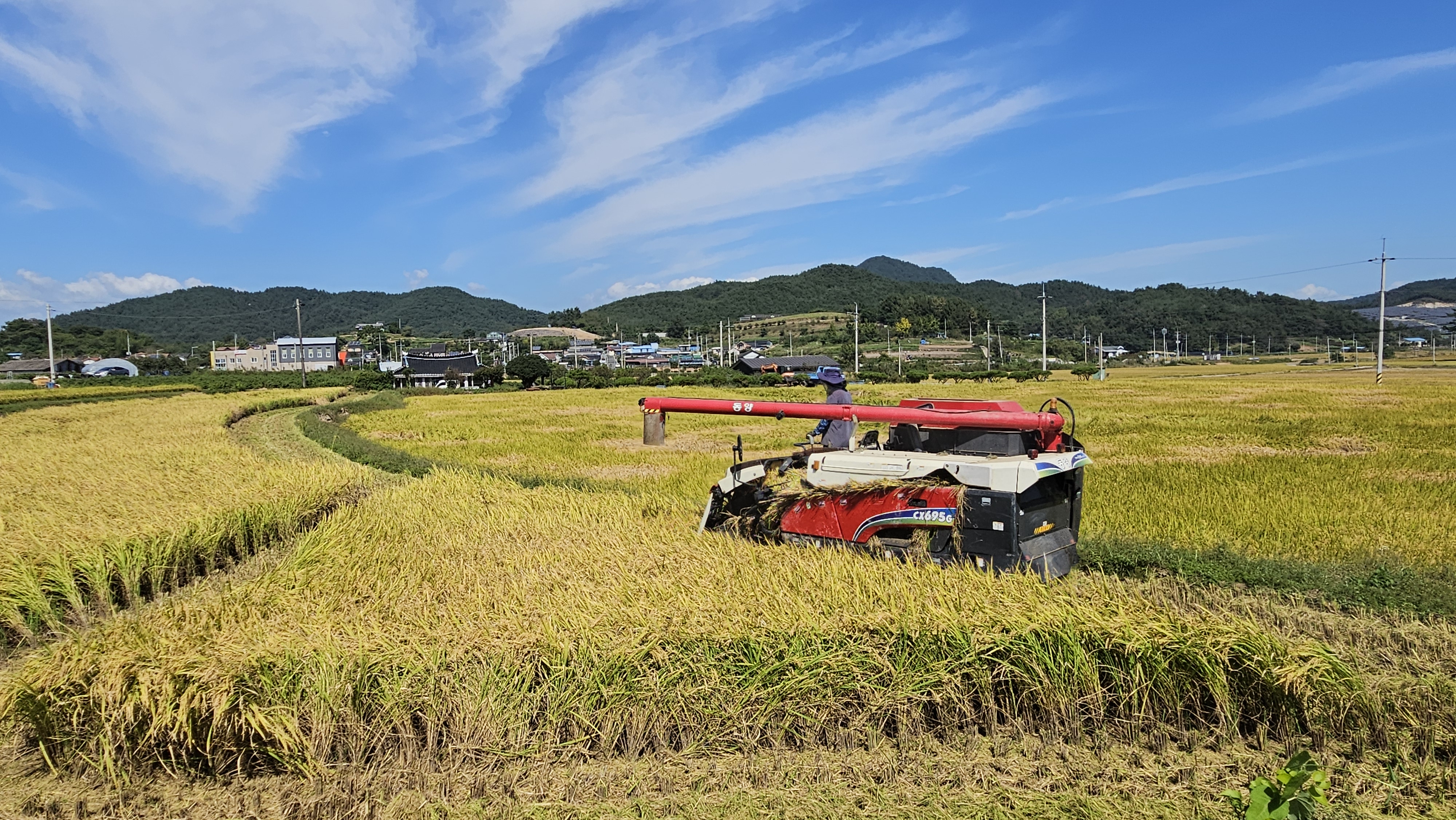
가을 햇살과 햇곡식의 언어
— 대자연의 기운으로 빚어낸 결실과 추수의 지혜
가을 햇살은 오곡을 익힌다.
여름내 뜨거운 햇볕을 온몸으로 받아 안고,
가을 추석에 조상님께 가장 먼저 바치는 첫 곡식이 바로 ‘햇곡식’이다.
이 햇곡식이 우리 식탁에 오르기까지는 하늘과 대자연의 기운,
어머니 대지의 품, 그리고 농부들의 피땀 어린 수고로움이 서려 있다.
특히 산악지대의 척박한 환경 속에서도 끈질긴 생명력으로
우리 선조들을 살려낸 옥수수, 조, 기장 등은 대자연이 준 가장 위대한 선물이었다.
추수를 시작하여 열매(實)를 거두고,
도리깨와 홀태로 알곡을 터는 농사의 흐름 속에
숨겨진 놀라운 우리말 어원을 소개합니다.
1. 하늘의 기운: 햇빛, 햇볕, 그리고 햇곡식
우리가 매일 마주하는 따사로운 가을 햇살과 새로 난 햇곡식의 '햇-'이라는 말 속에는
대자연의 뜨거운 생명력이 숨어 있다.
- 햇볕 · 햇곡식 (산스크리트어 heti [헤티/햍이])
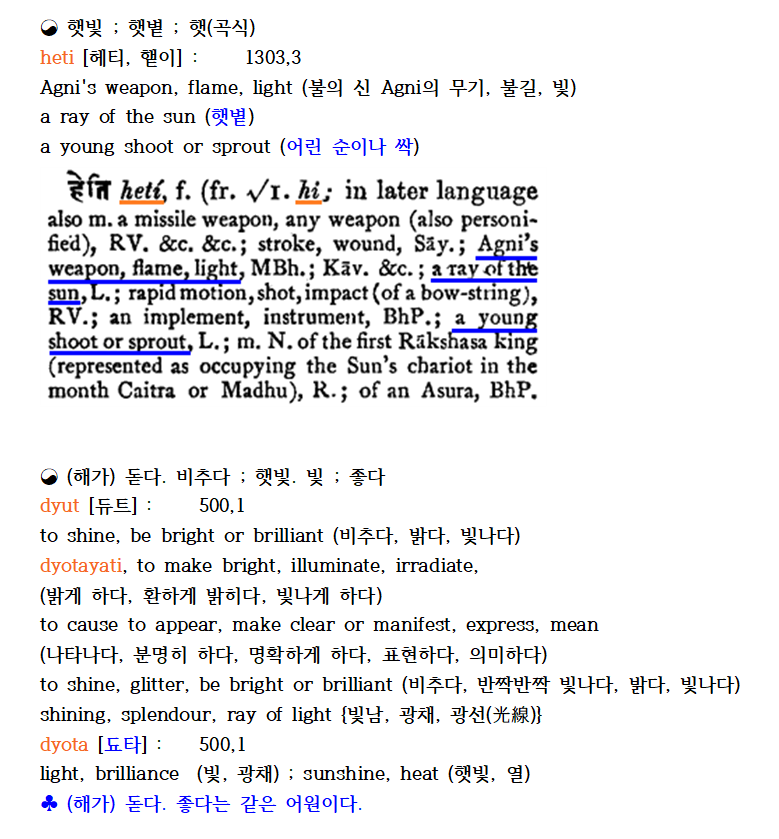
- 고대어로 ‘불의 신 아그니의 무기, 불길, 빛’을 뜻하며, 동시에 ‘햇볕’과 ‘어린 순’을 의미합니다. 즉, 햇곡식은 단순히 새로 난 곡식이 아니라, ‘태양의 신성한 불길을 받아 자라난 귀한 선물’이라는 뜻입니다.
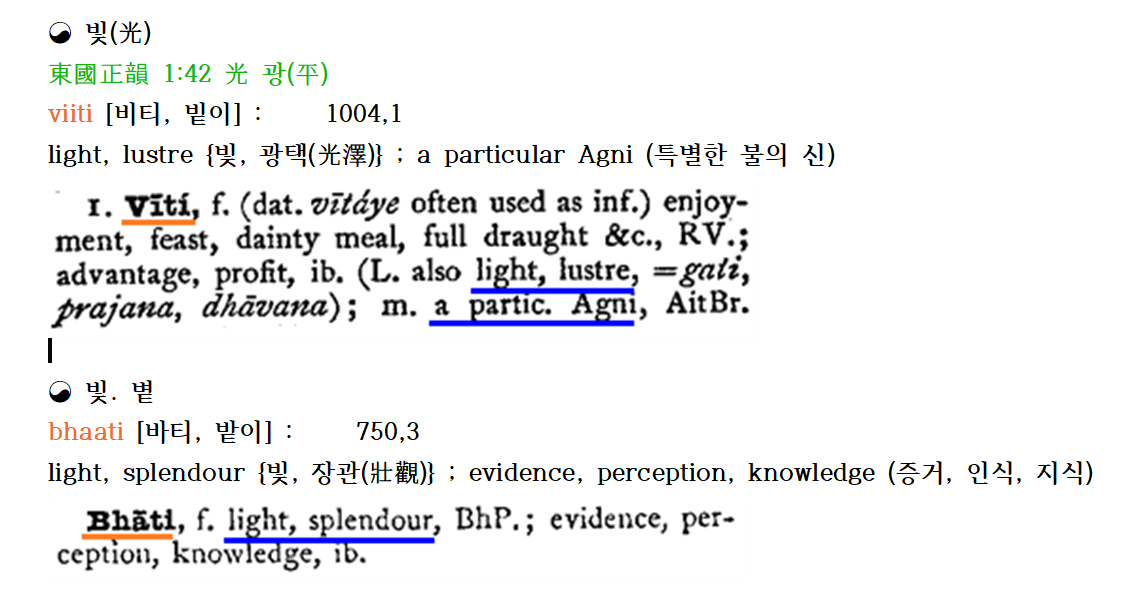
- 빛 (산스크리트어 viiti [비티/빝이]) & 볕 (산스크리트어 bhaati [바티/밭이])
- 우리가 매일 쓰는 ‘빛’은 고대어 viiti(빛, 광택)에서, 따스한 ‘볕’은 bhaati(빛, 찬란한 광채)에서 그 음과 뜻이 그대로 이어졌습니다. 수천 년 전 인류가 불과 태양을 보며 외치던 찬사가 오늘날 우리 입술을 통해 그대로 흘러나오고 있는 셈입니다.
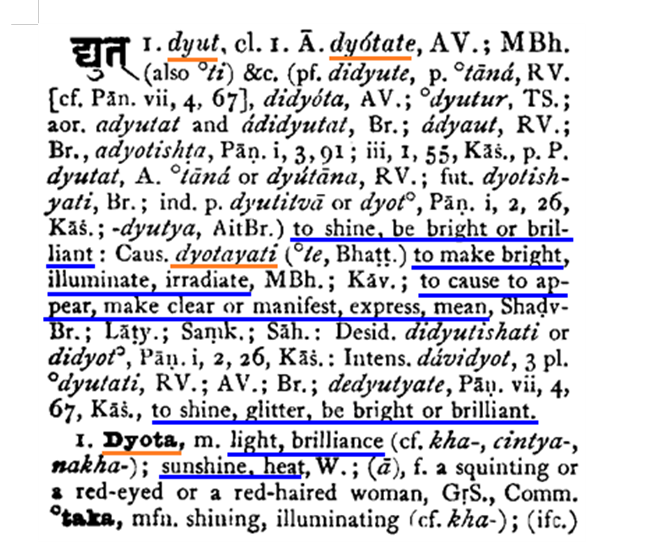
- 돋다 · 좋다 (산스크리트어 dyut [듀트] / dyota [됴타])
- 해가 ‘돋다’의 어원인 dyut는 ‘밝게 비추다’를, 여기서 파생된 dyota[됴타]는 ‘햇빛, 광채’를 뜻합니다. 해가 환하게 떠오르는 모습(돋다)과 그것을 보며 느끼는 밝고 긍정적인 감정인 ‘좋다’는 결국 '빛'이라는 한 뿌리에서 나온 형제 언어입니다.
2. 대지의 품: 연못(沼)과 생명의 근원(淵)
농사를 짓기 위해선 뜨거운 햇볕만큼이나 귀한 '물'을 가두어 두는 보(洑)와 연못이 필수적이었다.
선조들은 물이 고인 연못을 어머니의 자궁처럼 생명이 태어나는 신성한 곳으로 여겼다.
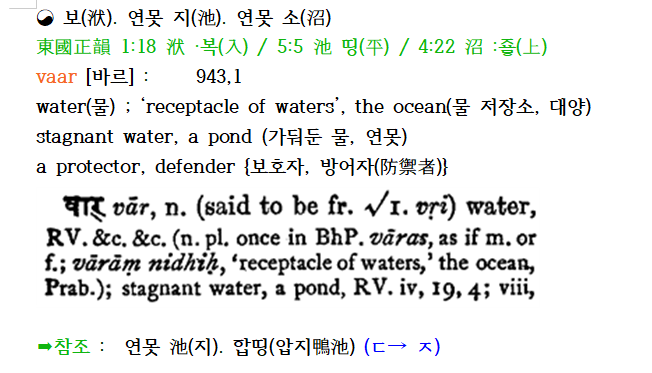
- 보(洑) · 연못 (산스크리트어 vaar [바르])
- vaar는 ‘물(water)’ 또는 ‘가둬둔 물, 연못’을 뜻하며 동시에 ‘보호자, 방어자’라는 뜻도 가집니다. 가뭄으로부터 농작물을 지켜주는 소중한 물 저장소(보, 연못)의 역할이 어원에 그대로 살아 있다.
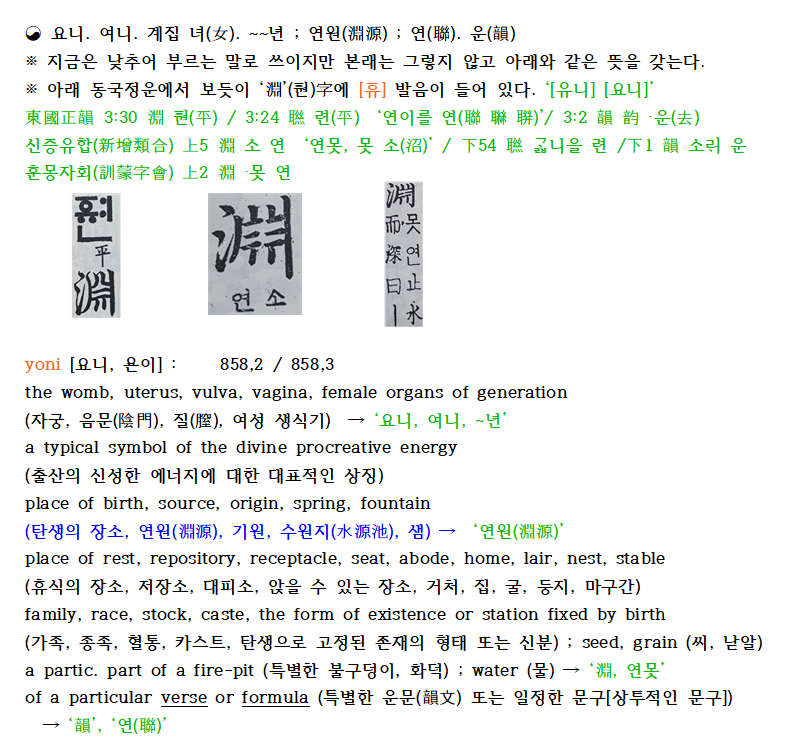
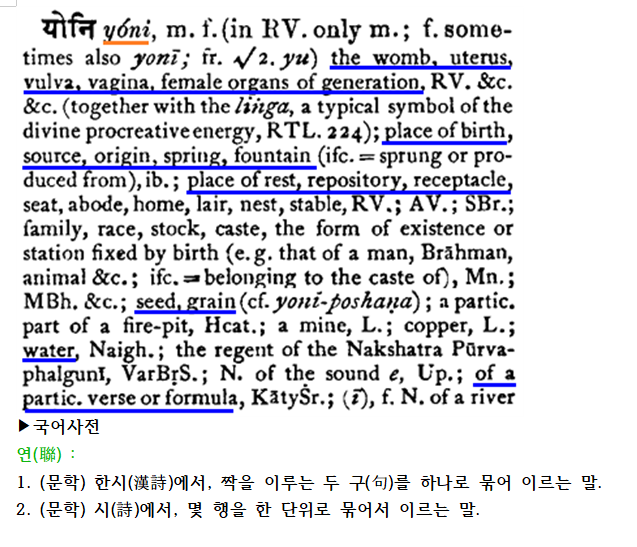
- 연못 소(沼) · 연(聯) · 운(韻) (산스크리트어 yoni [요니])
- yoni는 ‘자궁, 생식기’를 뜻하며 ‘탄생의 장소, 연원(淵源), 샘, 물’을 의미합니다. 한시나 시에서 짝을 이루는 마디를 뜻하는 ‘연(聯)’과 소리의 가락인 ‘운(韻)’ 역시 생명이 끊임없이 이어지고 조화를 이루는 이 yoni에서 파생되었다.
- 생명의 근원인 연못과 여성, 그리고 아름다운 운율이 고대어에서 모두 같은 뜻으로 연결되어 있다는 점은 대지의 위대한 출산 에너지를 경외했던 선조들의 시선을 보여준다.


3. 수확과 성장: 이삭을 줍고 자라나다
봄에 심은 작은 싹은 대지의 기운을 받아 쑥쑥 자라나고,
마침내 가을이 되면 농부들은 그 알곡을 정성스럽게 거두어들인다.
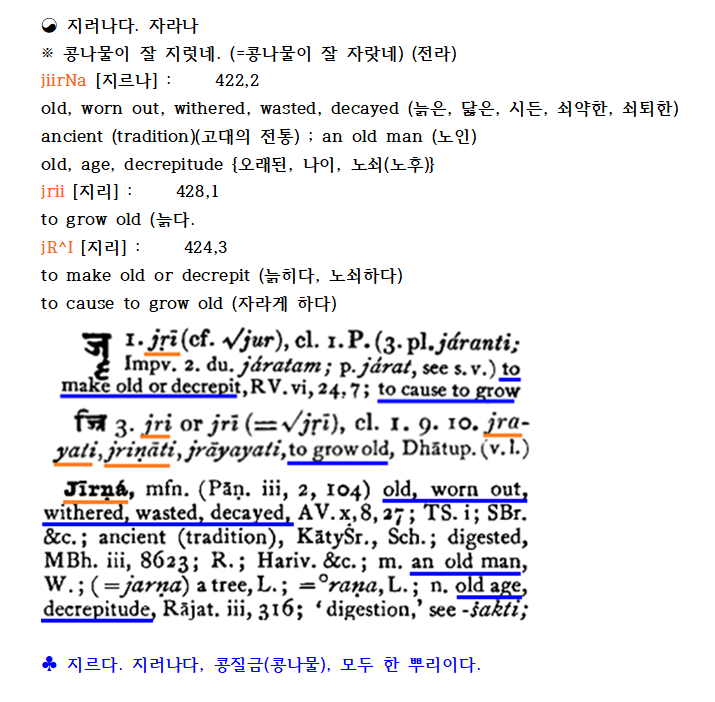
- 지러나다 · 자라다 (산스크리트어 jiirNa [지르나] / jR^I)
- 전라도 방언으로 콩나물이 자란 것을 “잘 지럿네”라고 표현합니다. jR^I는 ‘자라게 하다, 노쇠하다’라는 뜻을 가지며, jiirNa는 시간의 흐름을 겪은 고대의 전통이나 노인을 뜻합니다. 식물이 쑥쑥 자라나 성숙해지는 과정을 뜻하는 아름다운 말이다.
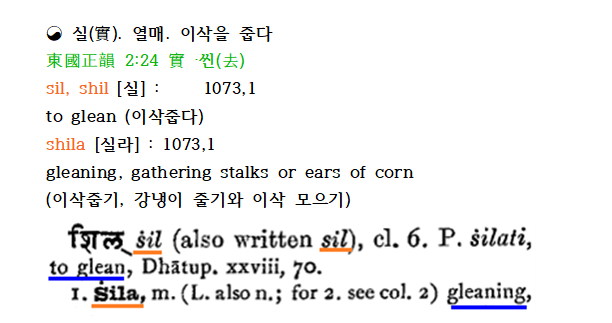
- 실(實) · 열매를 줍다 (산스크리트어 sil / shil [실])
- 한자어로 열매를 뜻하는 결실의 ‘실(實)’은 산스크리트어 sil, shil에서 온 말로, ‘이삭을 줍다, 곡식 줄기와 이삭을 모으다’라는 뜻을 직관적으로 담고 있습니다. 땅에 떨어진 알곡 하나도 소중히 모으던 선조들의 마음이 깃들어 있다.
4. 추수와 탈곡: 도리깨로 떨고, 홀태로 훑다
추수한 곡식은 그대로 먹을 수 없습니다.
단단한 겉껍질을 깨고 알곡만 골라내기 위해 선조들은 도리깨를 내리치고,
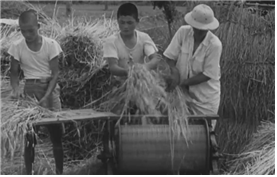
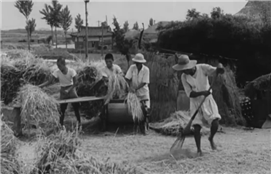
홀태로 벼를 훑으며 활기찬 탈곡의 마당을 열었다.
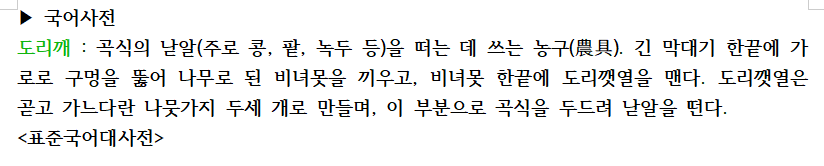
- 도리깨 (산스크리트어 dolikaa [돌리까])
- 콩이나 팥을 두드려 낟알을 떠는 농구인 ‘도리깨’는 ‘들것, 그네, 요람’을 뜻하는 dolikaa와 연결됩니다. 공중에서 앞뒤로 세차게 흔들리며 돌아가는 도리깨의 역동적인 회전 모습이 그대로 담겨 있다.
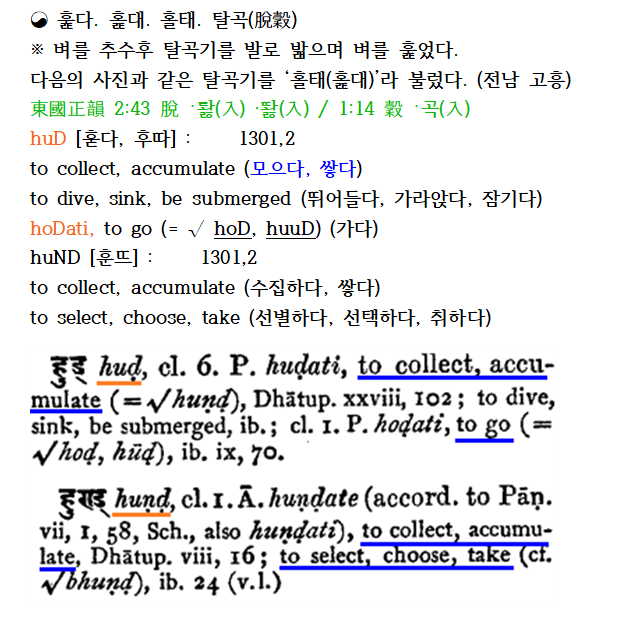
- 홀태 · 훑다 (산스크리트어 huD [훋다/후따] / huND [훈뜨])
- 전남 고흥 등지에서 벼를 훑을 때 쓰던 탈곡기를 ‘홀태(홅대)’라고 부릅니다. 이 어원인 huD, huND는 ‘모으다, 쌓다, 선별하다, 취하다’라는 뜻입니다. 빗살 사이에 벼이삭을 끼워 알곡만 쏙쏙 골라 모으던 홀태의 쓰임새 그 자체이다.
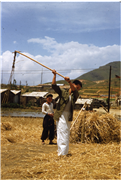
5. 정제와 가공: 알곡을 까고, 소쿠리에 담다
마지막으로 맷돌에 곡식을 갈고, 소쿠리에 담아 까불러서 순수한 알곡과 불씨를 얻어낸다.
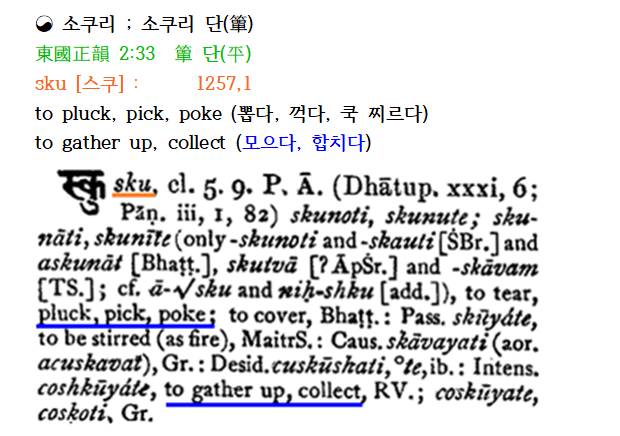
- 소쿠리 (산스크리트어 sku [스쿠])
- sku는 ‘뽑다, 콕 찌르다, 모으다, 합치다’라는 뜻입니다. 대나무나 싸리로 촘촘하게 엮어 곡식을 모아 담아두던 소쿠리의 정겨운 이름이다.
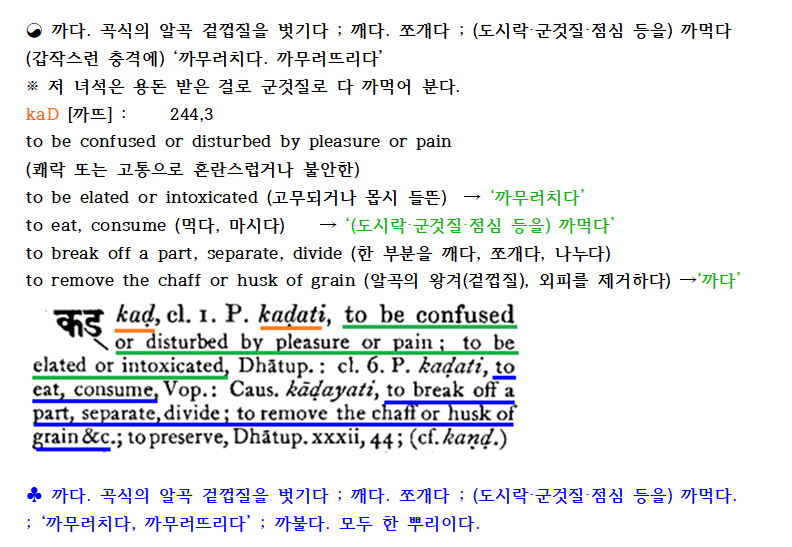
- 까다 · 까먹다 · 까무러치다 (산스크리트어 kaD [까뜨])
- 곡식의 겉껍질을 벗기는 ‘까다’, 점심을 ‘까먹다’, 강한 충격에 ‘까무러치다’는 모두 kaD라는 한 뿌리에서 나왔습니다. kaD는 ‘껍질을 제거하다, 깨다, 먹다’라는 뜻과 함께 ‘기쁨이나 고통으로 들뜨고 혼란스럽다’는 뜻을 동시에 가진다.
- 깐 곡식 · 강냉이 (산스크리트어 kaNa [까나/깐나])
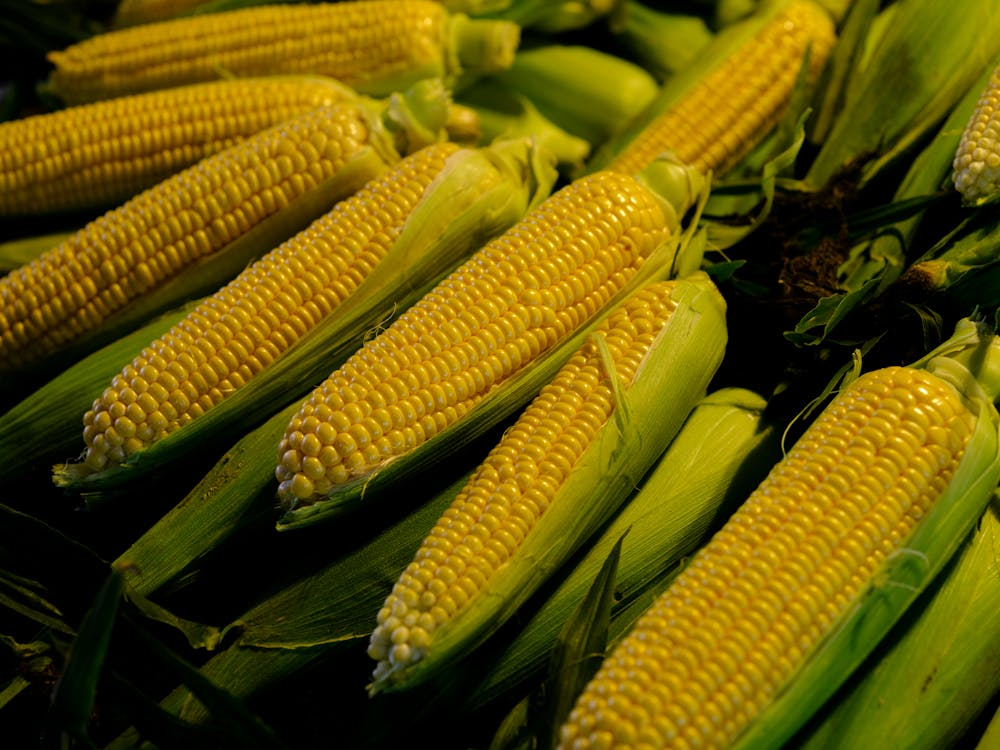
- 껍질을 까고 난 후의 알곡이나 작은 알맹이를 뜻하는 kaNa는 ‘깐 곡식, 낱알, 씨앗’을 뜻합니다. 이 ‘깐나’가 깐내 ➔ 깡냉이 ➔ 강냉이로 변하며 오늘날 우리가 맛있게 먹는 옥수수(강냉이)의 이름이 되었습니다. 또한, 이 작은 알갱이는 활활 타오르는 생명의 기운인 '불씨(spark)'를 뜻하기도 한다.

- 껍질을 까고 난 후의 알곡이나 작은 알맹이를 뜻하는 kaNa는 ‘깐 곡식, 낱알, 씨앗’을 뜻합니다. 이 ‘깐나’가 깐내 ➔ 깡냉이 ➔ 강냉이로 변하며 오늘날 우리가 맛있게 먹는 옥수수(강냉이)의 이름이 되었습니다. 또한, 이 작은 알갱이는 활활 타오르는 생명의 기운인 '불씨(spark)'를 뜻하기도 한다.
5. 정리하며
척박한 땅에서 자라난 강인한 알곡들을 소쿠리에 담고, 도리깨와 홀태로 정성스레 훑고 까서 얻어낸 소중한 햇곡식.
그 알곡 하나하나에는 하늘의 햇볕(빛)과 대지의 샘(물), 그리고 자연에 감사할 줄 알았던 우리 선조들의 위대한 생명 비전이 깃들어 있다. 대자연의 기운으로 빚어낸 따뜻한 밥 한 그릇의 가치를 다시금 마음 깊이 새겨본다.
다일라! 그렇게 함께 일하고, 함께 먹고, 함께 살아가리라.
태양이 일어나(일라), 만물을 빛으로 밝히고
잠에서 깨어 일어나서(일라), 하루를 시작하고
어머니는 쌀을 조리로 일어(일라), 새 생명을 살리고
아버지는 쟁기로 땅을 일구셔(일라), 가을의 결실을 기다리고
모두 다 들불처럼 훨훨 일어나서(일라), 세상을 일깨우다.

●스스로 "나"를 사랑하고, 우리말과 역사를 사랑하는 모든 사람들에게 전달해 주십시오.
위 내용은 인터넷 주소창과 카톡에 아래와 같이 바로 입력하여 볼 수 있습니다.
www.다일라.한국/72
www.다일라.한국/61
www.다일라.한국/2
☆ 다 깨어 일어나라!!! 다일라!!! ☆ --대한민국 새로운 구호 제창
◈ ◈ ◈ ◈ ◈ ◈ ◈ ◈ ◈ ◈ ◈ ◈ ◈ ◈ ◈ ◈ ◈ ◈ ◈ ◈ ◈ ◈ ◈ ◈ ◈ ◈ ◈ ◈ ◈ ◈ ◈ ◈
Kim Seok-Hoon
Korean Etymology Researcher
Editor of Our Korean–Sanskrit Etymological Dictionary
Genealogical & Historical Lineage Researcher
Compiler of the scroll The Genealogical History of Humanity from the Heavenly Emperor Hwan-State and Joseon
The Language of Autumn Sunshine and Newly Harvested Grain
— The Blessing of Nature, the Wisdom of Harvest, and the Fruits of Labor
The autumn sunshine ripens the five staple grains. Embracing the intense heat of the summer sun throughout the seasons, the very first grain offered to our ancestors during the autumn Chuseok (Harvest Festival) is called “Haet-goksik” (Newly Harvested Grain).
Before this freshly harvested grain reaches our dining tables, it embodies the spirit of the heavens and great nature, the embrace of Mother Earth, and the blood, sweat, and tears of our farmers. Especially in the barren, rugged terrains of mountainous regions, resilient crops like corn, foxtail millet, and proso millet were the ultimate gifts of nature that sustained the lives of our ancestors.
We invite you to explore the fascinating etymology embedded within our native tongue, tracing the continuous flow of farming—from the beginning of the harvest and the gathering of fruits (實) to the threshing of grain with flails and comb-threshers.
1. The Energy of the Heavens: Sunbeam, Sunshine, and Fresh Grain
The prefix “Haet-” in the warm autumn sunbeams (Haet-sal) and the newly harvested grain (Haet-goksik) we encounter daily conceals the fiery vitality of great nature.
- Sunlight & Fresh Grain (Sanskrit heti)
- In the ancient tongue, heti means “the weapon, flame, or light of Agni (the God of Fire),” and simultaneously signifies “sunshine” and “a young shoot or sprout.”
- Therefore, Haet-goksik is not merely 'grain newly grown that year'; it carries the sublime meaning of a sacred harvest nurtured by the fiery spirit (sunlight) of great nature.
- To Rise (Sprout), To Shine, and To Be Good (Sanskrit dyut / dyota)
- The root of the Korean word dot-da (to rise/sprout/shine) is dyut, which means “to shine, be bright, or illuminate.” From this comes dyota, meaning “light, brilliance, or sunshine.”
- The image of the sun brilliantly ascending (dot-da) and the positive, bright emotion we feel when looking at it—expressed as jot-da (“to be good”)—are ultimately sibling words originating from the single root meaning of “light.”
2. The Embrace of the Earth: The Pond (沼) and the Source of Life (淵)
To farm, a reservoir (Bo) or a pond to store water was just as vital as the blazing sunshine. Our ancestors revered water-filled ponds as sacred spaces where life begins, much like a mother’s womb.
- Reservoir (Bo) & Pond (Sanskrit vaar)
- Vaar means “water” or “stagnant water, a pond,” while also holding the meaning of “a protector or defender.” The etymology beautifully reflects the crucial role of a water reservoir (pond) that protects crops from devastating droughts.
- Pond (So 沼), Stanza (Yeon 聯), and Rhythm (Un 韻) (Sanskrit yoni)
- Yoni means “womb, uterus, or female organs of generation,” signifying the “place of birth, source, origin, or fountain.” The word Yeon (聯), which refers to a pair of matching lines forming a stanza in poetry, and Un (韻), which means the flow of rhythm, also derive from yoni, symbolizing the continuous and harmonious generation of life.
- The fact that a life-giving pond, the feminine matrix, and beautiful poetic metrics are all interconnected in the ancient tongue reveals how deeply our ancestors revered the earth’s magnificent procreative energy.
3. Harvest and Growth: Gleaning Ears of Corn and Growing Up
The tiny shoots planted in the spring grow robustly under the earth's nurturing embrace, and when autumn finally arrives, farmers devoutly gather the ripe grains.
- To Sprout and Grow (Jireonada / Jarada) (Sanskrit jiirNa / jR^I)
- In the Jeolla dialect, people describe well-grown bean sprouts by saying, “They have sprouted beautifully (Jireot-ne).” The root jR^I means “to cause to grow old or mature,” and jiirNa refers to ancient traditions or an elder who has weathered the passage of time. It is a beautiful expression capturing the journey of a plant growing up and reaching full maturity.
- Fruit (Sil 實) & Gleaning (Sanskrit sil / shil)
- The Chinese character Sil (實), which represents the fruit of a harvest, stems from the Sanskrit sil or shil, meaning “to glean, or to gather stalks and ears of corn.” This embeds the tender heart of our ancestors who cherished and gathered every single grain fallen on the soil.
4. Threshing and Processing: Striking with a Flail, Combing with a Thresher
Harvested crops cannot be eaten as they are. To break through the tough outer shells and select only the pure grains, our ancestors brought the threshing yard to life, striking with flails and combing the rice stalks through comb-threshers.
- Flail (Doriggae) (Sanskrit dolikaa)
- Doriggae, the traditional agricultural tool used to beat out grains of beans or red beans, connects to dolikaa, which means “a litter, swing, or cradle.” This vividly encapsulates the dynamic, rhythmic swinging motion of the flail rotating through the air.
- Comb-Thresher (Holtae) & To Comb/Scrape (Hult-da) (Sanskrit huD / huND)
- In regions like Goheung, Jeollanam-do, the traditional thresher used to scrape grains off rice stalks is called a Holtae. Its linguistic roots, huD and huND, mean “to collect, accumulate, select, or choose.” It perfectly describes the exact function of the Holtae, which separates and collects only the finest grains through its iron teeth.
5. Refining and Shucking: Peeling Grains and Gathering in a Wicker Basket
Finally, the grain is ground in a millstone, placed in a woven basket (Sokuri), and winnowed to obtain the pure kernel and the spark of life.
- Wicker Basket (Sokuri) (Sanskrit sku)
- Sku means “to pluck, pick, gather up, or collect.” This is the affectionate origin of the Sokuri, a basket tightly woven from bamboo or bush clover used to gather and store precious grains.
- To Peel (Kka-da), To Consume (Kka-meok-da), and To Faint (Kka-mureochi-da) (Sanskrit kaD)
- The words Kka-da (to peel away the husk), Kka-meok-da (to snack or consume), and Kka-mureochi-da (to faint or pass out from a sudden shock) all branch out from the single root kaD. In Sanskrit, kaD means “to remove the chaff or husk of grain, to break off, or to eat,” while simultaneously meaning “to be confused or overwhelmed by intense pleasure or pain.”
- Shucked Grain & Corn (Kanna / Gangnaengi) (Sanskrit kaNa)
- Meaning the pure grain or small kernel left after shucking, kaNa means “a grain, a single seed, or a particle.” This word kanna shifted over time: Kanna ➔ Kannae ➔ Gangnaengi, becoming the modern Korean word for corn (Gangnaengi). Remarkably, this tiny particle also carries the meaning of a “spark of fire”—the ultimate spark of life.
6. Conclusion
Grown from a barren land, these resilient grains are gathered in a wicker basket (Sokuri), meticulously threshed, combed, and shucked to yield the precious fresh harvest (Haet-goksik).
Within each and every kernel lies the sunshine (Heti) of the heavens, the spring water (Vaar) of the earth, and the profound vision of life held by our ancestors who knew how to give thanks to nature. Today, we deeply engrave in our hearts the true value of a warm bowl of rice, beautifully crafted by the rhythm of the cosmos.
DA·ILLA (다일라)! And so, together we shall work, together we shall eat, and together we shall flourish.
The sun rises (Illa), illuminating all creation with its light, Awakening from sleep, we rise (Illa) to begin a new day, A mother rinses and sifts the rice with a strainer (Illa), sustaining a new life, A father tills and awakens the sleeping soil with a plow (Illa), awaiting the autumn harvest, And together, like a wildfire, we all rise (Illa) to awaken and enlighten the world.