김석훈 | 우리말 뿌리연구가, 『우리말 범어사전』 편저자
| 역사계보 족보연구가, 『천제환국조선인류역사계보 』 두루마리 편
| '다일라 운동' 주창
이밥과 이바지 — 15,000년 볍씨에 담긴 생명과 정성의 언어
■ 1. 서론
우리는 매일 ‘밥’을 먹는다.
너무 익숙해서 잊고 있지만,
이 한 그릇 속에는
인류의 이동, 생존, 그리고 관계의 역사가 담겨 있다.
청주 소로리의 15,000년 볍씨에서 시작해
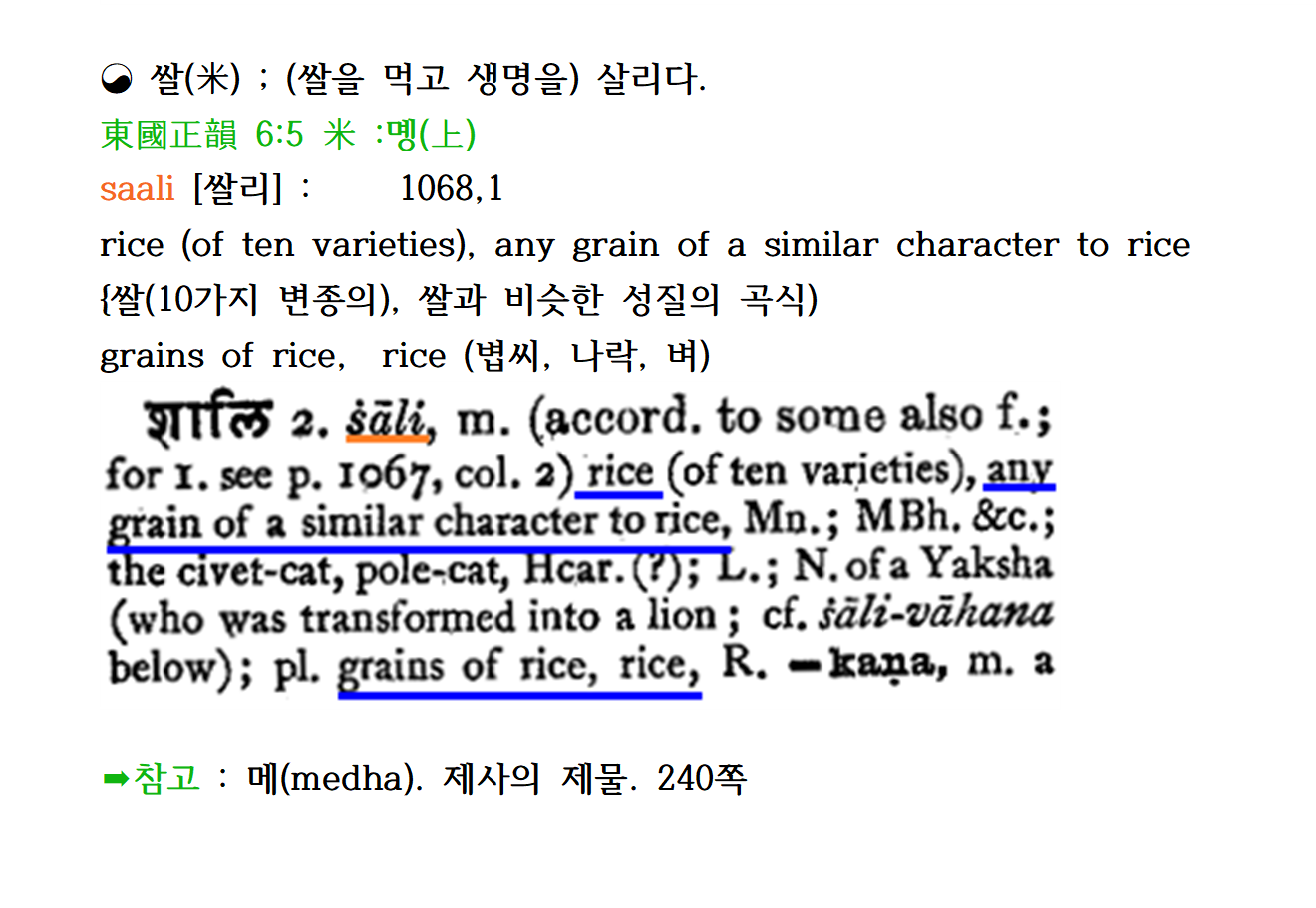
범어 nīvāra(니바라), śāli(쌀리)를 거쳐
우리말 ‘이밥’과 ‘이바지’에 이르기까지,
이 글은
쌀 한 알이 어떻게 언어와 삶으로 이어졌는지를 살펴본다.
■ 2. 세계에서 가장 오래된 볍씨 — 소로리
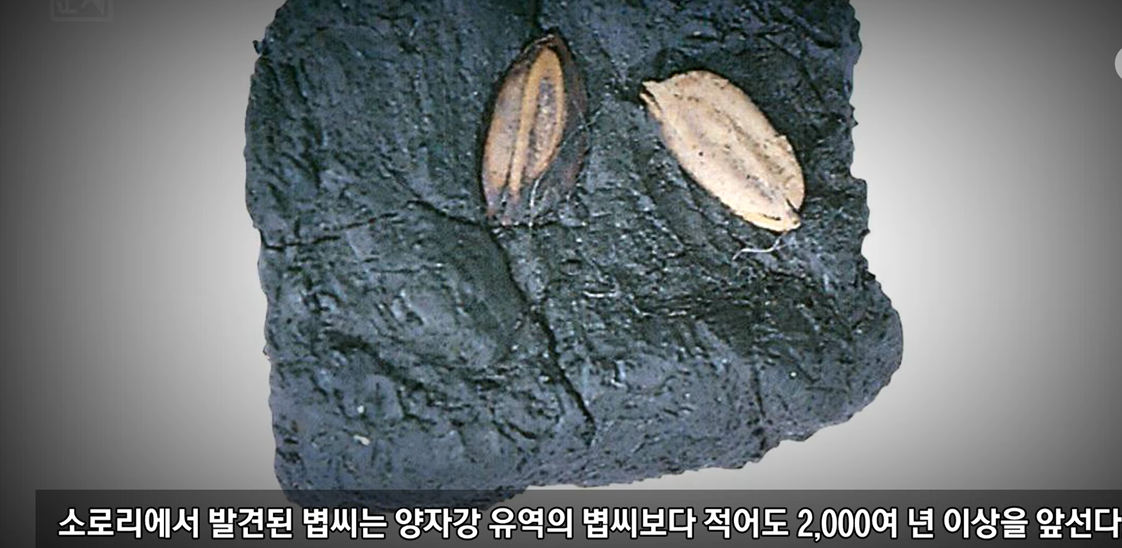
충북 청주 소로리에서 발견된 볍씨는 세계 고고학계의 상식을 바꾸어 놓았다.
- 약 15,000년 전
- 세계 최고(最古)의 볍씨
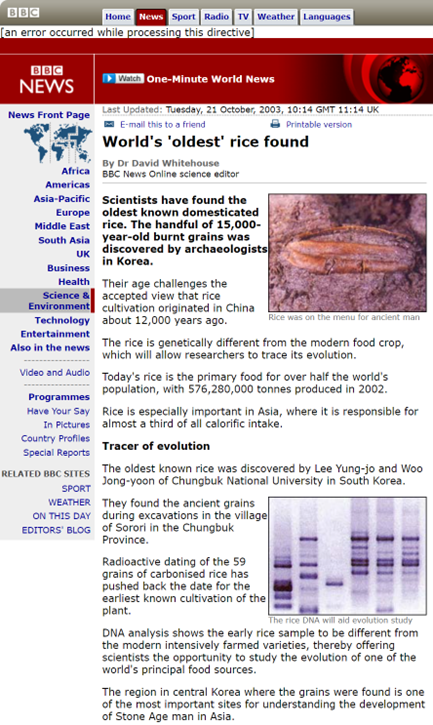
BBC NEWS (2003.10.21):
충북대 이영조·우종윤 교수팀의 발견으로 약 15,000년 전의 세계 최고(最古) 볍씨임이 보도되었다.
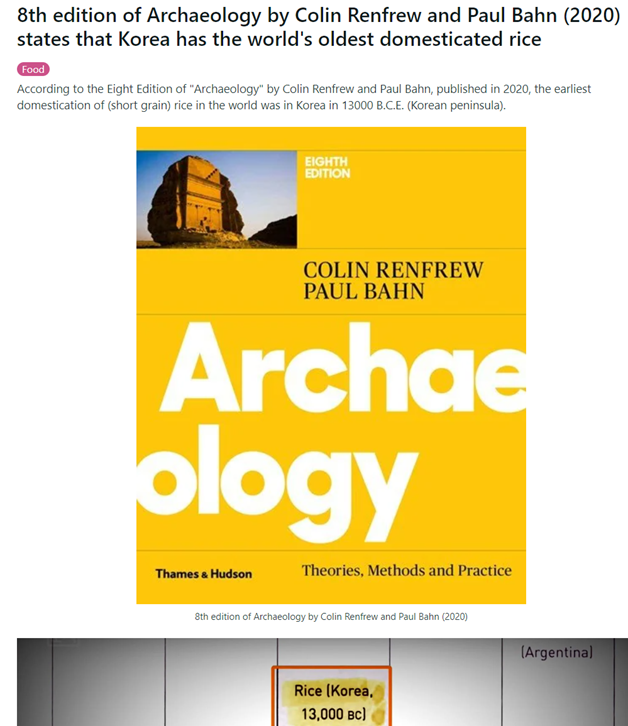
학술적 인정: 고고학의 권위자 Colin Renfrew와 Paul Bahn의 저서
『Archaeology』 (2020) 제8판에 따르면,
기원전 약 13,000년(현 시점에서 약 15,000년 전)
한반도에서 초기 벼 재배가 시작되었음을 명시하고 있다.
의미: 쌀은 아주 오래전부터 이 땅에서 우리 민족의 생명을 지탱해 온 근간이었다.
■ 3. 어원의 흐름 — 니바라에서 쌀까지
쌀을 뜻하는 말은
시대를 넘어 하나의 흐름으로 이어진다.
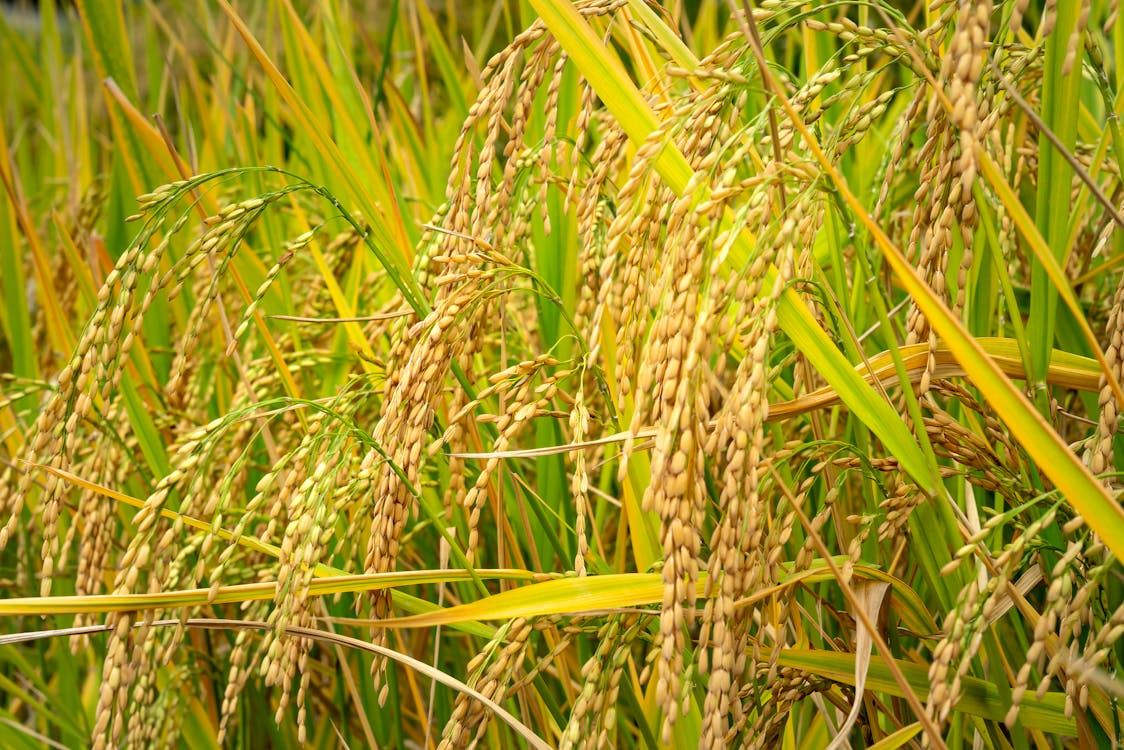
nīvāra (니바라)
→ 야생벼
→ 인간이 처음 만난 자연의 식량
śāli (쌀리)
→ 재배된 쌀
→ 오늘날 ‘쌀’의 어원적 기반
그리고 이 흐름은 우리말로 이어진다.
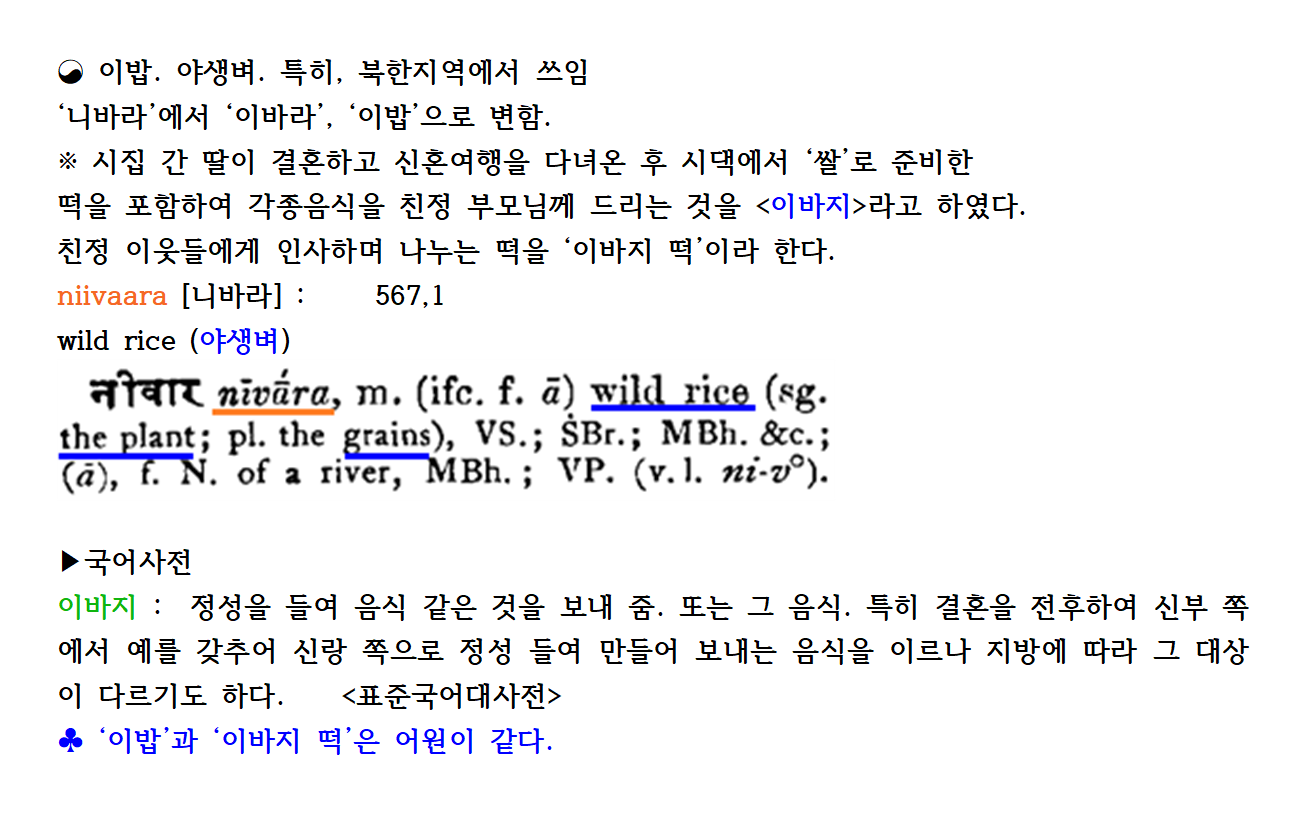
▶ 니바라 → 이바라 → 이밥
▶ 자연의 곡식 → 삶의 중심 음식
■ 4. ‘이밥’ — 가장 귀한 밥
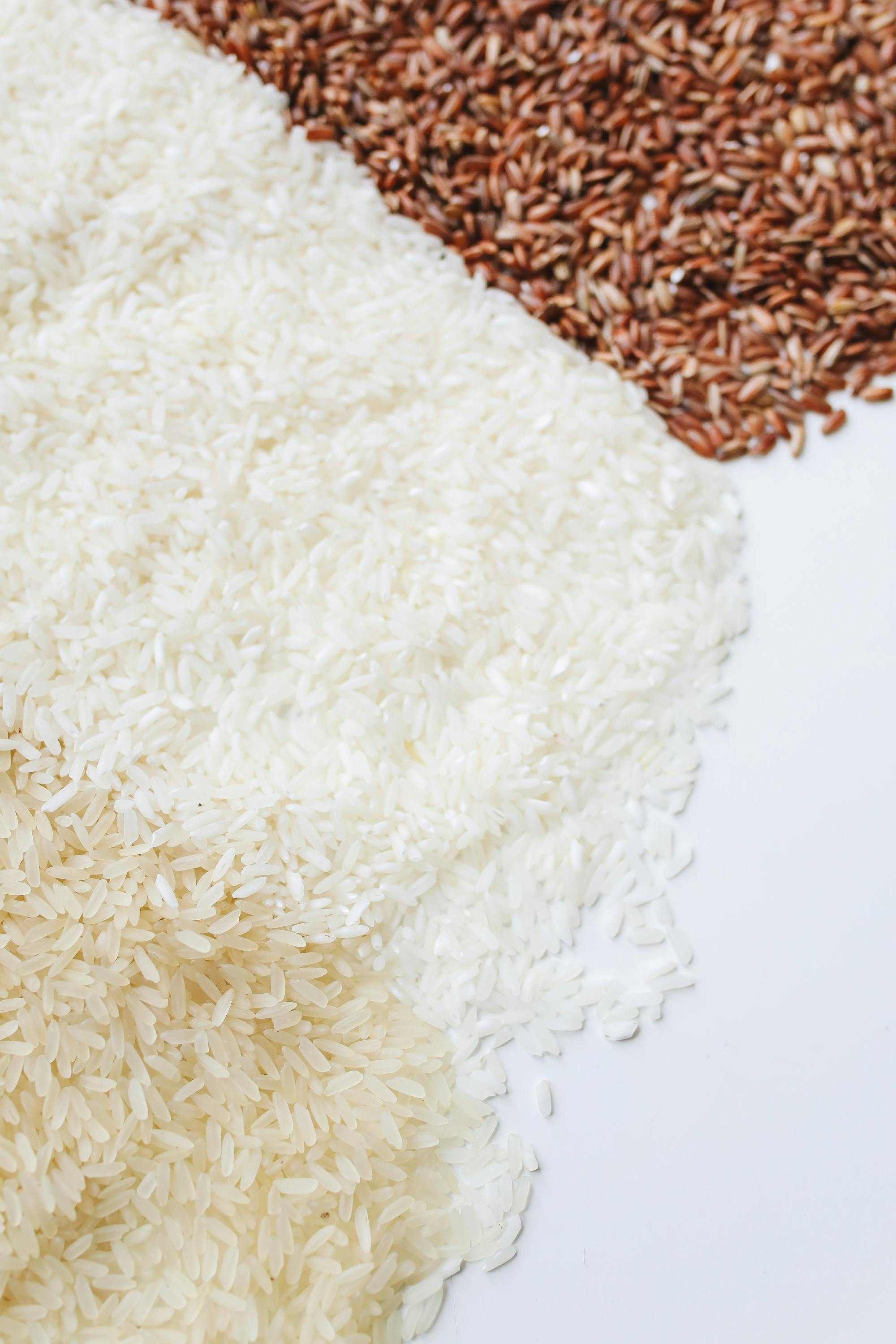
‘이밥’은 단순한 밥이 아니다.
▶ 흰쌀밥
▶ 가장 좋은 밥
▶ 특별한 날의 밥
그래서 옛말에
“이밥에 고깃국”
이 한마디는 곧
▶ 최고의 대접
▶ 삶의 풍요
를 의미했다.
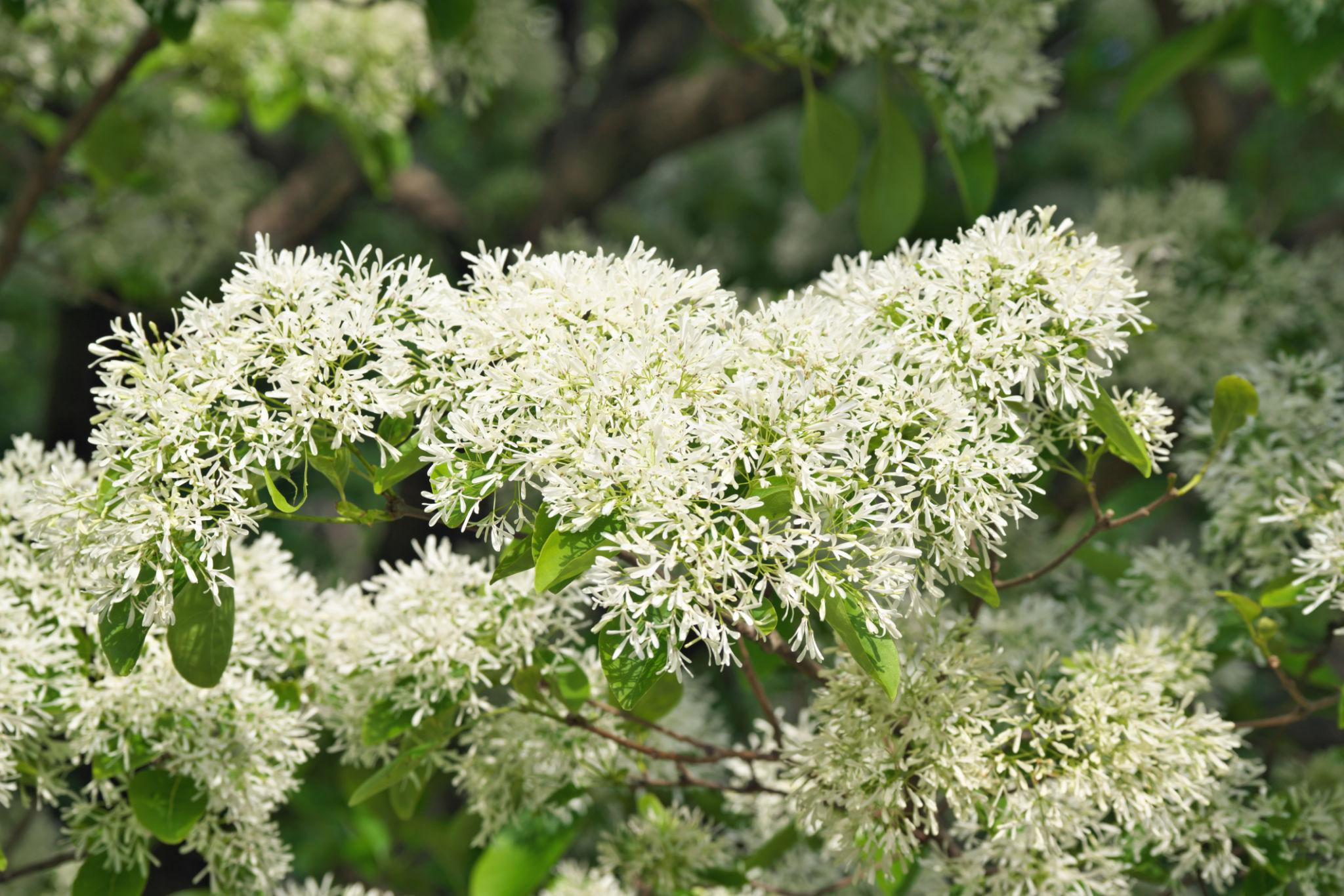
■ 5. ‘이팝나무’ — 밥이 꽃으로 피다
봄이 되면
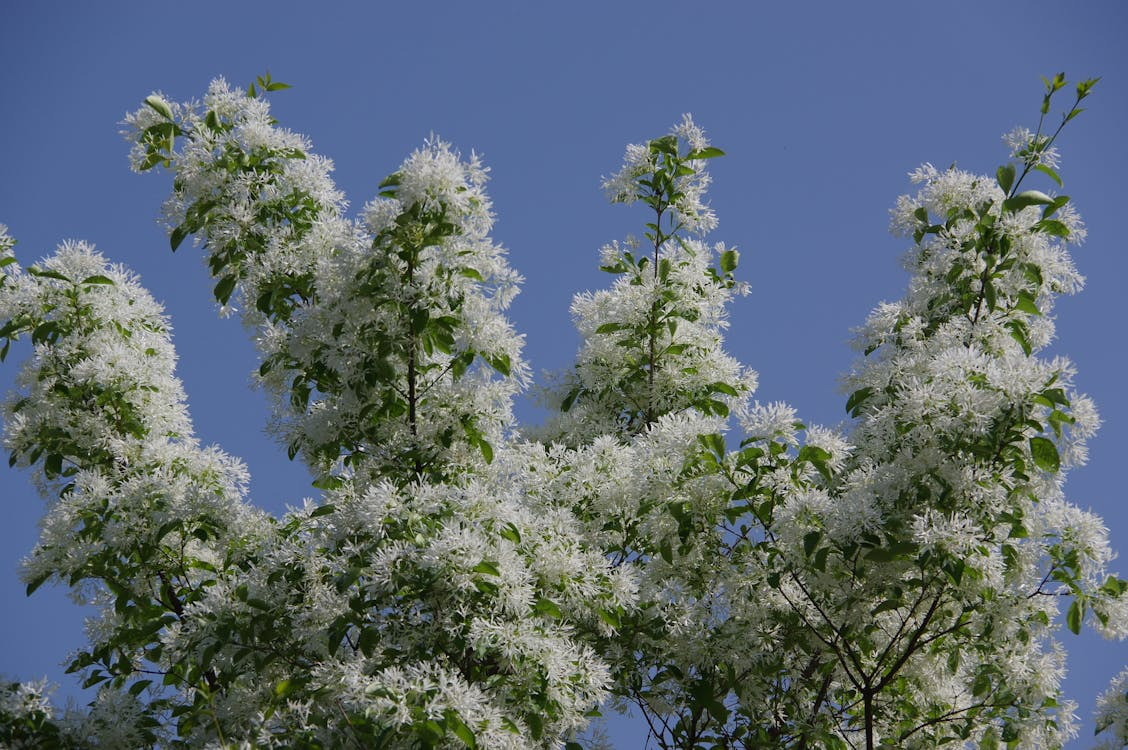
하얀 꽃이 눈처럼 피는 나무가 있다.
바로 이팝나무다.
이 이름은 우연이 아니다.
▶ 이밥 + 나무 → 이팝나무
▶ 하얀 꽃 → 흰쌀밥과 같은 모습
즉,
▶ 꽃이 밥처럼 보이는 나무
▶ 풍년을 상징하는 나무
옛사람들은
이팝나무 꽃이 많이 피면
▶ 그 해 농사가 잘 된다고 여겼다
■ 6. ‘이바디’에서 ‘이바지’까지
쌀은 물질적 음식을 넘어 사람과 사람 사이의 관계로 확장된다.
- 연결: 귀한 음식인 이밥(쌀)을 정성껏 대접하는 행위가 곧 이바지이다.
- 문화: 혼례나 명절 등 집안 간의 소중한 왕래에서 ‘이바지 음식’은 단순한 나눔을 넘어 상대에 대한 지극한 존중과 정성의 표현이었습니다.
언어는 삶과 함께 변한다.
귀한 쌀로 만든 떡으로 '이바지떡'으로 잔치를 연다.
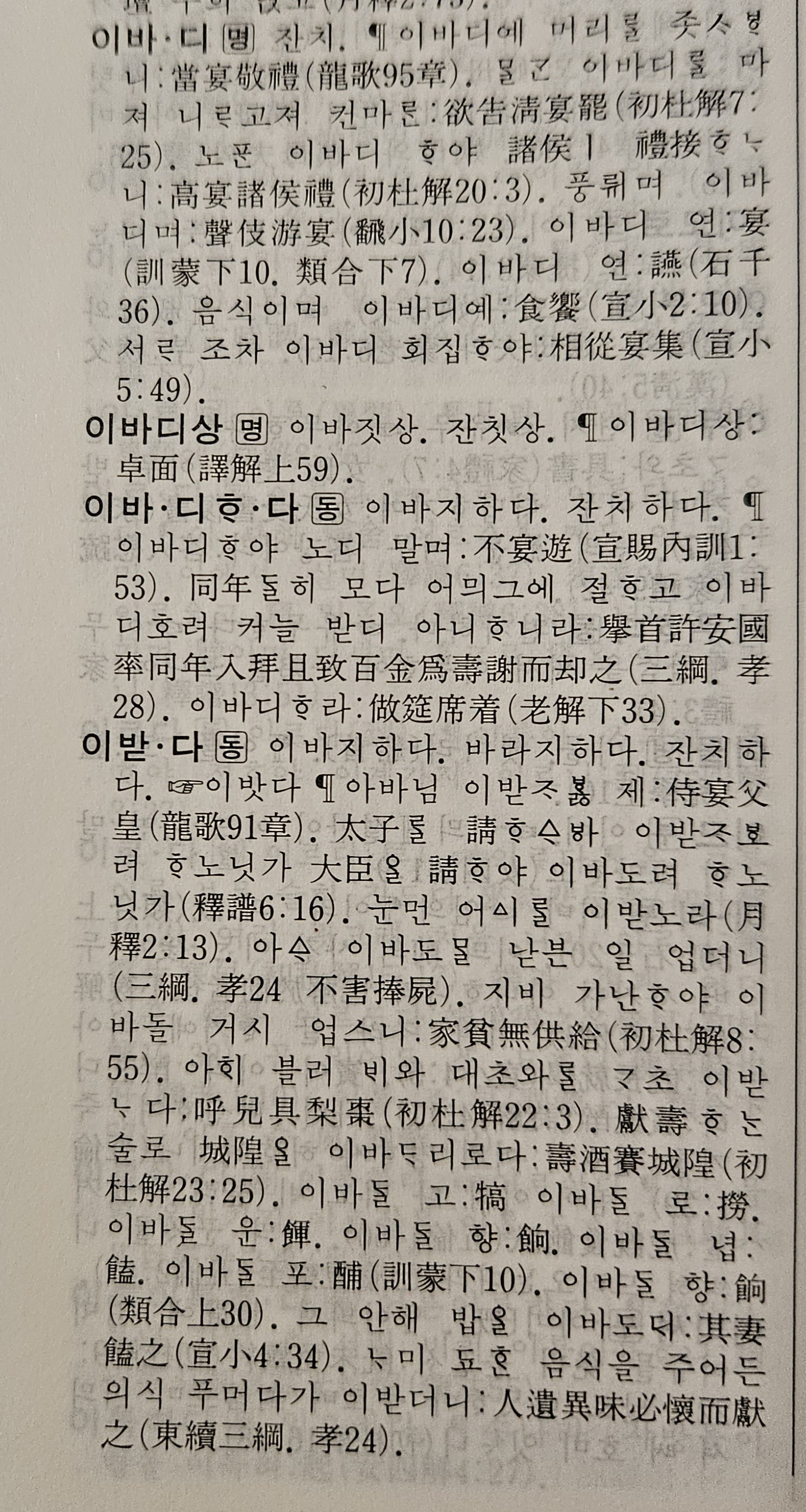
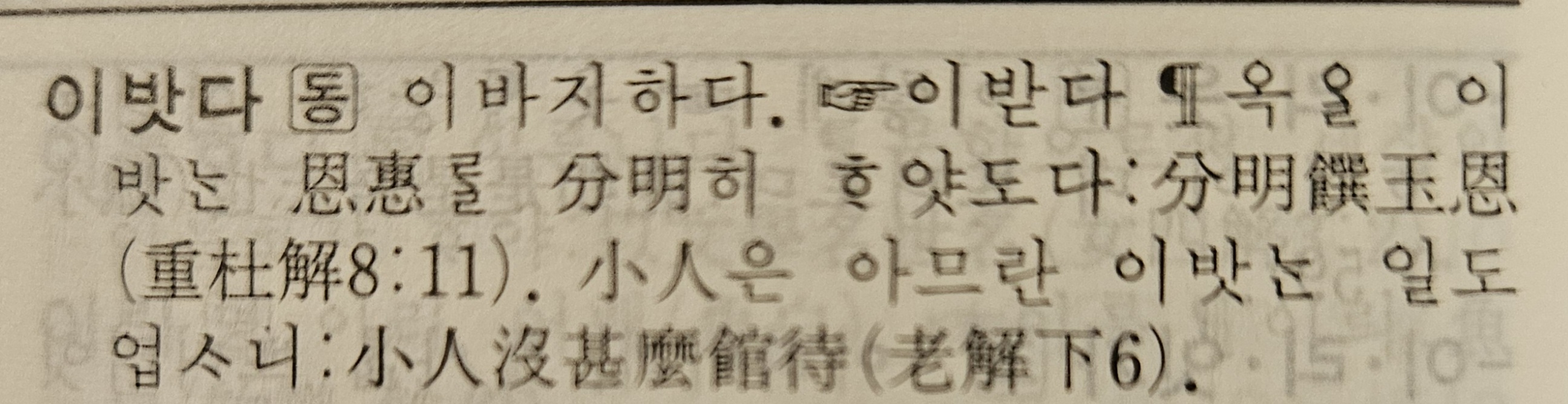
선조들은 잔치를 '이바디 연(宴)'이라 하였다.
- 초기형: 이바디
- 변화: 이바지
- 현재: 이바지하다→ 공헌하다, 기여하다
의미도 확장된다.
▶ 음식 → 정성 → 기여
▶ 물질 → 마음 → 사회적 가치
■ 7. 북녘에 남은 ‘이밥’
오늘날 남한에서는 ‘쌀밥’이라 하지만
북한에서는 여전히 ‘이밥’이 살아 있다.
이것은 단순한 차이가 아니다.
▶ 오래된 말의 보존
▶ 언어의 시간층 유지
즉,
‘이밥’은
1만5천 년의 기억을 간직한 말이다
■ 8. 쌀의 의미 구조
이 흐름을 하나로 묶으면 다음과 같다.
▶ 니바라 → 자연의 식량
▶ 쌀(śāli) → 재배된 생명
▶ 이밥 → 삶의 중심 음식
▶ 이바지 → 관계 속 정성
자연 → 생명 → 삶 → 관계
쌀은 단순한 곡식이 아니다.
■ 9. 결론
청주 소로리의 볍씨 한 알은
15,000년을 건너
▶ 쌀이 되었고
▶ 이밥이 되었으며
▶ 이바지가 되었다
그리고 지금도 우리는
그 흐름 속에 있다.
쌀은 생명이다
이밥은 풍요다
이바지는 나눔이다
우리가 무심코 쓰는 말 속에는
▶ 생존의 역사
▶ 공동체의 기억
▶ 사람과 사람을 잇는 마음
이 함께 살아 있다.
■ [어휘 요약 ]
- nīvāra (니바라): 야생벼 → 이밥의 어원.
- śāli (쌀리): 쌀 → 우리말 ‘쌀’의 직접적인 뿌리.
- 소로리 볍씨: 15,000년 전 한반도 농경의 기원.
- 이팝나무: 꽃이 흰쌀밥(이밥)을 닮아 풍요를 상징하는 나무.
- 이바지: 귀한 쌀로 정성을 다해 대접하고 기여하는 잔치 문화와 그 기여.
세기별 용례 - 뜻풀이
17세기: 니밥
나가 놀며 니밥 머그며 ≪1632 가언 7:16ㄴ≫
18세기: 닛밥
ᄒᆞᆫ 바고 닛밥과 ᄒᆞᆫ 박믈로 ≪1737 어내 3:45ㄱ≫
19세기: 니밥
조흔 니밥을 지어 ≪1869 규합 20ㄱ≫ 출처 : 우리말샘
이바디에 머리ᄅᆞᆯ 좃ᄉᆞᄫᆞ보 니 : 當宴敬禮(龍歌95장)
ᄆᆞᆯᄀᆞᆫ 이바디ᄅᆞᆯ 마져 니ᄅᆞ고져 컨마ᄅᆞᆫ : 欲告淸宴罷(初杜解7:25).
이바디ᄒᆞ야 노디 말며 : 不宴遊(宣賜內訓1:53) 출처 : 남광우, 고어사전
●스스로 "나"를 사랑하고, 우리말과 역사를 사랑하는 모든 사람들에게 전달해 주십시오.
위 내용은 인터넷 주소창과 카톡에 아래와 같이 바로 입력하여 볼 수 있습니다.
www.다일라.한국/65
www.다일라.한국/61
www.다일라.한국/2
☆ 다 깨어 일어나라!!! 다일라!!! ☆ --대한민국 새로운 구호 제창
◈ ◈ ◈ ◈ ◈ ◈ ◈ ◈ ◈ ◈ ◈ ◈ ◈ ◈ ◈ ◈ ◈ ◈ ◈ ◈ ◈ ◈ ◈ ◈ ◈ ◈ ◈ ◈ ◈ ◈ ◈ ◈
Kim Seok-Hoon
Korean Etymology Researcher
Editor of Our Korean–Sanskrit Etymological Dictionary
Genealogical & Historical Lineage Researcher
Compiler of the scroll The Genealogical History of Humanity from the Heavenly Emperor Hwan-State and Joseon
■ Ibap and Ibaji — The Language of Life and Sincerity Embedded in 15,000-Year-Old Rice Seeds
■ 1. Introduction
We eat “bap” (rice/meal) every day.
It is so familiar that we forget,
but within this single bowl
are contained the history of human migration, survival, and relationships.
Beginning with the 15,000-year-old rice seeds of Sorori in Cheongju,
passing through the Sanskrit nīvāra and śāli,
and arriving at the Korean words “ibap” and “ibaji,”
this article explores
how a single grain of rice has continued into language and life.
■ 2. The Oldest Rice Seeds in the World — Sorori
The rice seeds discovered in Sorori, Cheongju, Chungbuk,
reshaped assumptions in the global archaeological community.
BBC News (October 21, 2003):
It was reported that these were the world’s oldest rice seeds,
dating back about 15,000 years,
discovered by Professors Lee Young-jo and Woo Jong-yoon of Chungbuk National University.
Scholarly recognition:
According to the 8th edition of Archaeology (2020)
by leading archaeologists Colin Renfrew and Paul Bahn,
around 13,000 BCE (about 15,000 years ago from today),
early rice cultivation on the Korean Peninsula is clearly indicated.
Meaning:
Rice has long been the foundation sustaining the life of the Korean people on this land.
■ 3. The Flow of Etymology — From nīvāra to Rice
Words for rice form a continuous flow across time.
- nīvāra
→ wild rice
→ the natural food first encountered by humans - śāli
→ cultivated rice
→ the etymological basis of today’s “ssal” (rice)
And this flow continues into Korean.
▶ nīvāra → ibara → ibap
▶ natural grain → central food of life
■ 4. “Ibap” — The Most Precious Meal
“Ibap” is not just ordinary rice.
▶ white rice
▶ the finest rice
▶ rice for special occasions
Thus, in old sayings:
“Rice and meat soup (ibap with meat broth)”
This single phrase meant:
▶ the highest level of hospitality
▶ abundance in life
■ 5. The Ipap Tree — Rice Blooming as Flowers
In spring,
there is a tree that blooms with white flowers like snow.
This is the ipap tree.
This name is no coincidence.
▶ ibap + tree → ipap tree
▶ white blossoms → resemble cooked white rice
That is,
▶ a tree whose flowers look like rice
▶ a tree symbolizing a good harvest
People in the past believed
that when the ipap tree bloomed abundantly,
▶ the year’s harvest would be good
■ 6. From “Ibadi” to “Ibaji”
Rice extends beyond material food
into relationships between people.
Connection:
The act of sincerely serving precious food such as ibap (rice) becomes ibaji.
Culture:
In important exchanges between families, such as weddings or holidays,
“ibaji food” was not merely sharing,
but an expression of utmost respect and sincerity toward others.
Language changes along with life.
Feasts were held with rice cakes made from precious rice, known as “ibaji rice cakes.”
Ancestors referred to feasts as “ibadi banquets.”
- Early form: ibadi
- Change: ibaji
- Present: ibaji-hada (to make an offering/contribution)
The meaning also expands:
▶ food → sincerity → contribution
▶ material → heart → social value
■ 7. “Ibap” Preserved in the North
In present-day South Korea, people say “ssalbap” (rice),
but in North Korea, “ibap” still remains in use.
This is not a simple difference.
▶ preservation of an older word
▶ maintenance of linguistic layers of time
Thus,
“ibap”
is a word that retains a memory of 15,000 years.
■ 8. The Semantic Structure of Rice
When this flow is brought together, it becomes:
▶ nīvāra → natural food
▶ rice (śāli) → cultivated life
▶ ibap → central food of life
▶ ibaji → sincerity within relationships
nature → life → living → relationship
Rice is not just a grain.
■ 9. Conclusion
A single grain of rice from Sorori in Cheongju
crossed 15,000 years and became:
▶ rice
▶ ibap
▶ ibaji
And even now,
we are living within that flow.
Rice is life
Ibap is abundance
Ibaji is sharing
Within the words we use without much thought are:
▶ the history of survival
▶ the memory of community
▶ the heart that connects people to one another
■ Vocabulary Summary
- nīvāra: wild rice → the origin of ibap
- śāli: rice → the direct root of the Korean word “ssal”
- Sorori rice seeds: the origin of agriculture on the Korean Peninsula 15,000 years ago
- Ipap tree: a tree whose flowers resemble white rice (ibap), symbolizing abundance
- Ibaji: a cultural practice of offering and contributing with sincerity using precious rice