▶김석훈 | 우리말 뿌리연구가, 『우리말 범어사전』 편저자
| 역사계보 족보연구가, 『천제환국조선인류역사계보 』 두루마리 편
| '다일라 운동' 주창
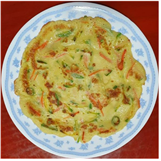
빈대떡·삔대떡의 ‘빈대’는 삔다(piṇḍa)다
비 오는 날이면 생각나는 음식, 빈대떡.
그 이름의 ‘빈대’는 무엇일까.
결론부터 말하면,
▶ 빈대는 산스크리트어 ‘삔다(piṇḍa)’에서 온 말이다.
■ 삔다(piṇḍa)의 뜻
산스크리트어 piṇḍa(삔다)는 다음과 같은 뜻을 가진다.
- 둥근 덩이
- 음식 덩어리
- 한입거리
- 밥이나 밀가루로 만든 둥근 음식
그리고 이 말은
▶ 리그베다(Rigveda)에 실제로 등장하는 고대어이다.
즉, 단순한 추정이 아니라
3,500년 이상의 문헌 속에 기록된 실제 생활어다.
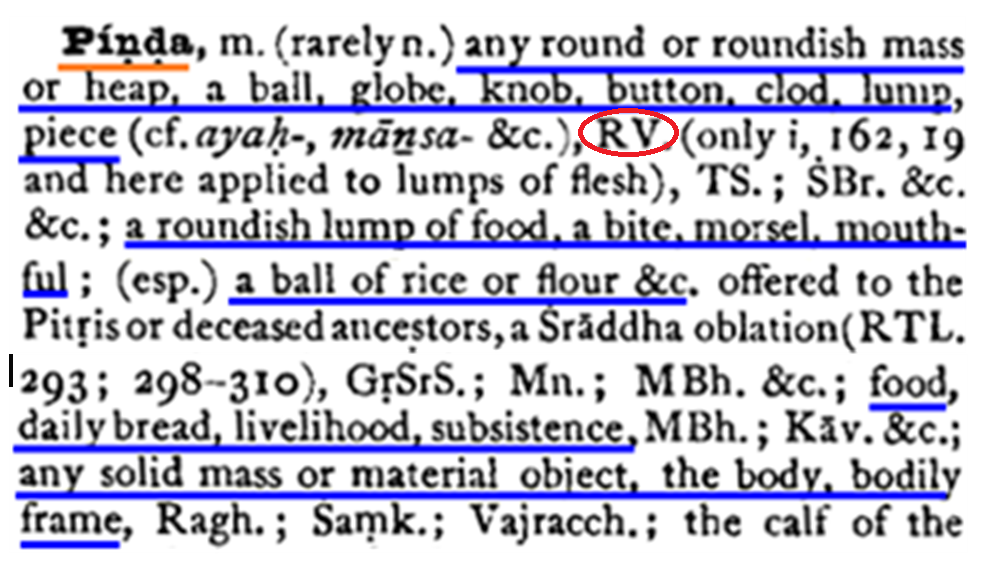
piṇḍa [삔다] : 625,2 : '삔다'는 동그랗다
any round or roundish mass or heap, a ball, globe, knob, button, clod, lump, piece
(둥근, 둥근 모양의 덩어리 또는 더미, 구(球), 손잡이, 단추, 흙덩이, 덩어리, 조각)
a roundish lump of food, a bite, morsel, mouthful
(음식의 둥근 덩이, 한 입, 한입 가득)
(esp.) a ball of rice or flour &c.
(특히, 밥이나 밀가루로 만든 동그란 덩이)
food, daily bread, livelihood, subsistence
(음식, 매일의 빵, 주식, 생계, 양식)
any solid mass or material object, the body, bodily frame
(단단한 덩어리 또는 물질적 대상, 몸, 신체, 체격)
출처: Monier-Williams, A Sanskrit-English Dictionary, p.625.
■ 삔다 → 삔대(떡) → 빈대(떡) (ㅏ→ㅐ모음변화)
말은 흘러가며 변한다.
▶ 삔다 → 삔대 → 빈대
이 변화는 우리말에서 자연스럽게 일어나는
음운 흐름 속에 있다.
그리고 그 뜻은 변하지 않았다.
▶ “둥근 음식 덩이”
■ 인도 여성의 붉은 점도 ‘삔다’다
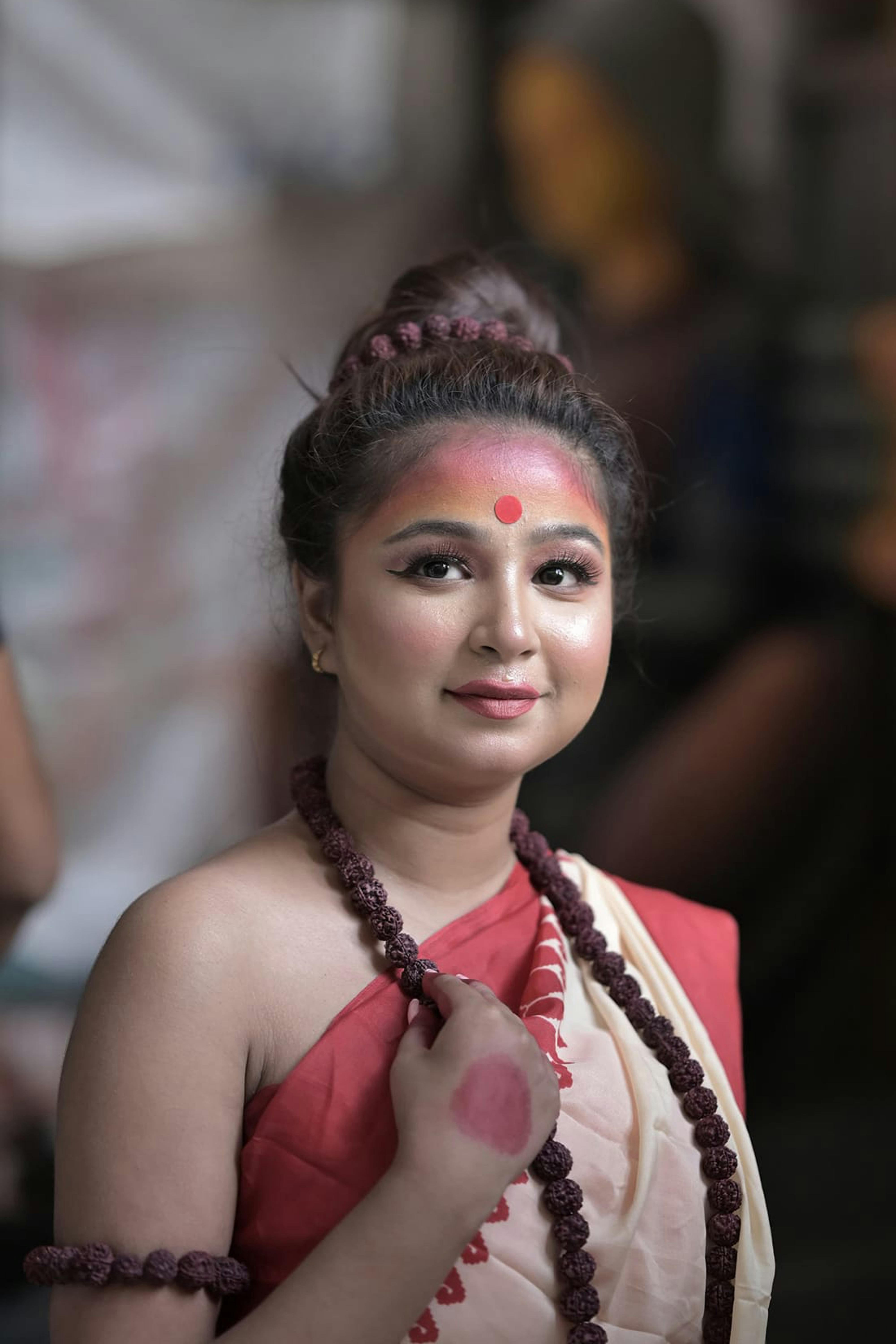
인도 여성들이 미간에 찍는 붉은 점, 빈디(bindi).
이 역시
▶ 둥근 점, 둥근 덩이를 의미한다.
하나의 점, 하나의 중심, 하나의 덩이.
삔다의 의미 그대로다.
■ 빈대떡은 ‘둥근 음식’이다
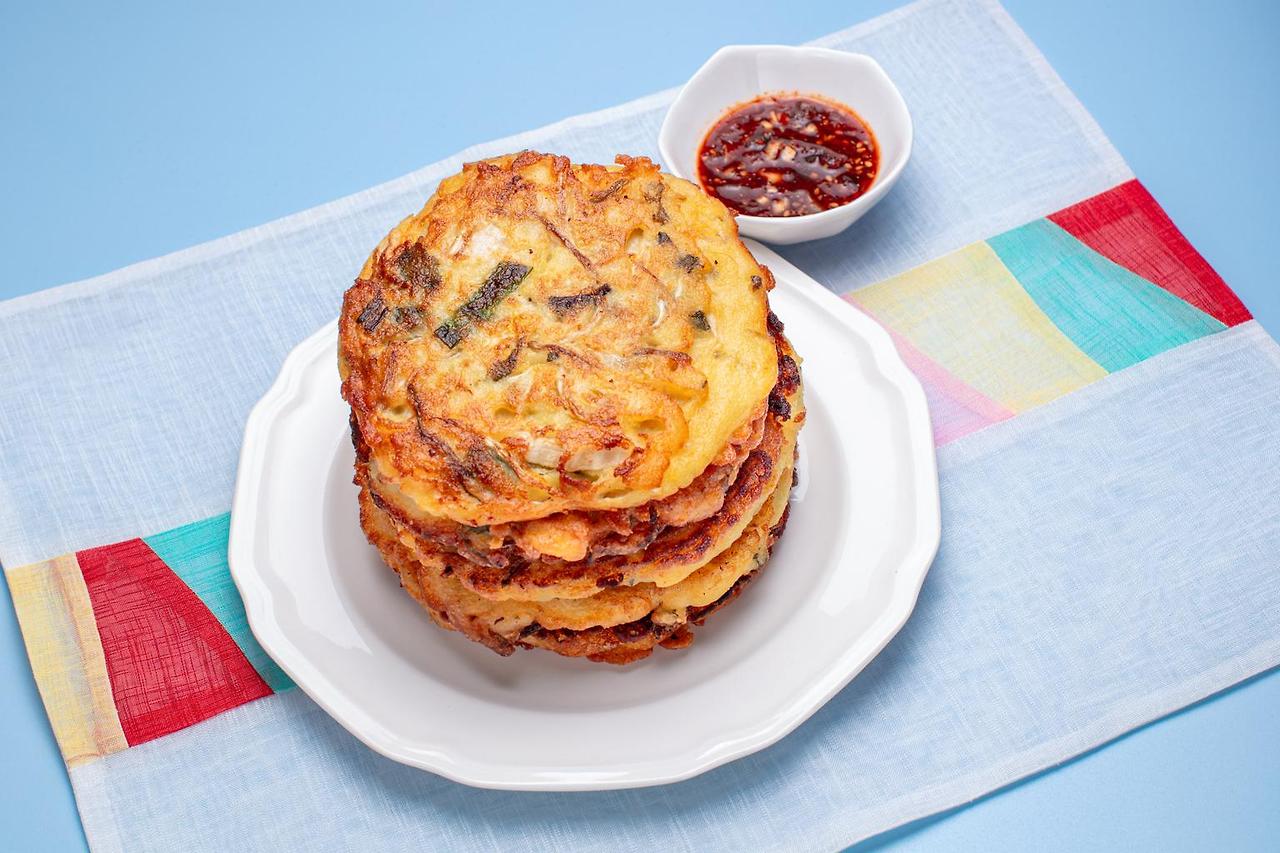
- 반죽을 덩이로 떠서
- 둥글게 펴고
- 기름에 부쳐 먹는 음식이다
그대로
삔다(piṇḍa)의 형태와 의미가 살아 있다.
빈대떡신사 (1971 STEREO)
■ 한 덩이의 음식, 삶의 단위
빈대떡은 서민의 음식이다.
옛 노래처럼
“돈 없으면 빈대떡이나 부쳐 먹지”
▶ 한 덩이, 한입
▶ 하루를 버티는 음식
이것이 바로
piṇḍa — 한 덩이의 생존 음식이다.
■ 결론
▶ 빈대는 삔다(piṇḍa)다.
▶ 빈대떡은 ‘둥근 음식 덩이’다.
이 말은
수천 년을 건너
우리 식탁 위에 그대로 남아 있다.
■ 한 줄
“빈대떡은 고대어 ‘삔다(piṇḍa)’가 지금까지 살아 있는 이름이다."
* 우리 동이족 선조들이 인도에서 살았다!
인도 스승 아난다 무르티가 밝힌 한민족(동이족)의 역사
인도 스승 아난다 무르티가 밝힌 한민족(동이족)의 역사
인도 요가 아난다 마르가의 스승인 는 인도 요가의 신(神)이 한국의 선조인 동이족 몽골리안이며 본래 우리 선조들이 인도(印度)를 다스렸다는 것을 밝히고 있다. 6·25 참전 유공자인 장경석 장
www.xn--2j1b40gc5q.xn--3e0b707e
●스스로 "나"를 사랑하고, 우리말과 역사를 사랑하는 모든 사람들에게 전달해 주십시오.
위 내용은 인터넷 주소창과 카톡에 아래와 같이 바로 입력하여 볼 수 있습니다.
www.다일라.한국/56
Kim Seok-Hoon
Korean Etymology Researcher
Editor of Our Korean–Sanskrit Etymological Dictionary
Genealogical & Historical Lineage Researcher
Compiler of the scroll The Genealogical History of Humanity from the Heavenly Emperor Hwan-State and Joseon
The “Bindae” in Bindaetteok is piṇḍa
On rainy days, one food always comes to mind: bindaetteok.
But what does the word “bindae” actually mean?
To state it clearly:
“bindae” comes from the Sanskrit word piṇḍa.
■ The Meaning of piṇḍa
The Sanskrit word piṇḍa carries the following meanings:
- a round lump
- a mass of food
- a mouthful
- a round ball made of rice or flour
This is not merely a dictionary entry.
The word appears in the Rigveda, one of the oldest known texts in the world.
In other words,
it is a real, living word recorded in a tradition over 3,000 years old.
■ From piṇḍa to bindae
Language flows and transforms over time.
piṇḍa → ppindae → bindae
This kind of phonetic shift can be understood within natural sound changes in Korean.
While the sound evolved, the meaning remained the same:
a round lump of food.
■ The Red Dot on the Forehead
In India, women often wear a red dot on the forehead, known as a bindi.
This too represents
a round point, a small circular form.
A single dot, a center, a compact form.
It reflects the same idea embodied in piṇḍa.
■ Bindaetteok as a “Round Food”
Bindaetteok is made by:
- scooping batter into portions
- spreading it into a round shape
- frying it in oil
Its form and meaning align precisely with piṇḍa.
■ A Unit of Life
Bindaetteok has long been a food of ordinary people.
As an old song says:
“If you have no money, go home and make some bindaetteok.”
A single portion, a single bite,
a food that sustains a day’s life.
This is exactly what piṇḍa signifies:
a basic unit of sustenance.
■ Conclusion
“bindae” is piṇḍa.
“bindaetteok” is a round lump of food.
This word has traveled across thousands of years
and still lives on our tables today.
■ In one line
“Bindaetteok is a living name that carries the ancient word piṇḍa into the present.”