김석훈 | 우리말 뿌리연구가, 『우리말 범어사전』 편저자
| 역사계보 족보연구가, 『천제환국조선인류역사계보 』 두루마리 편
| '다일라 운동' 주창
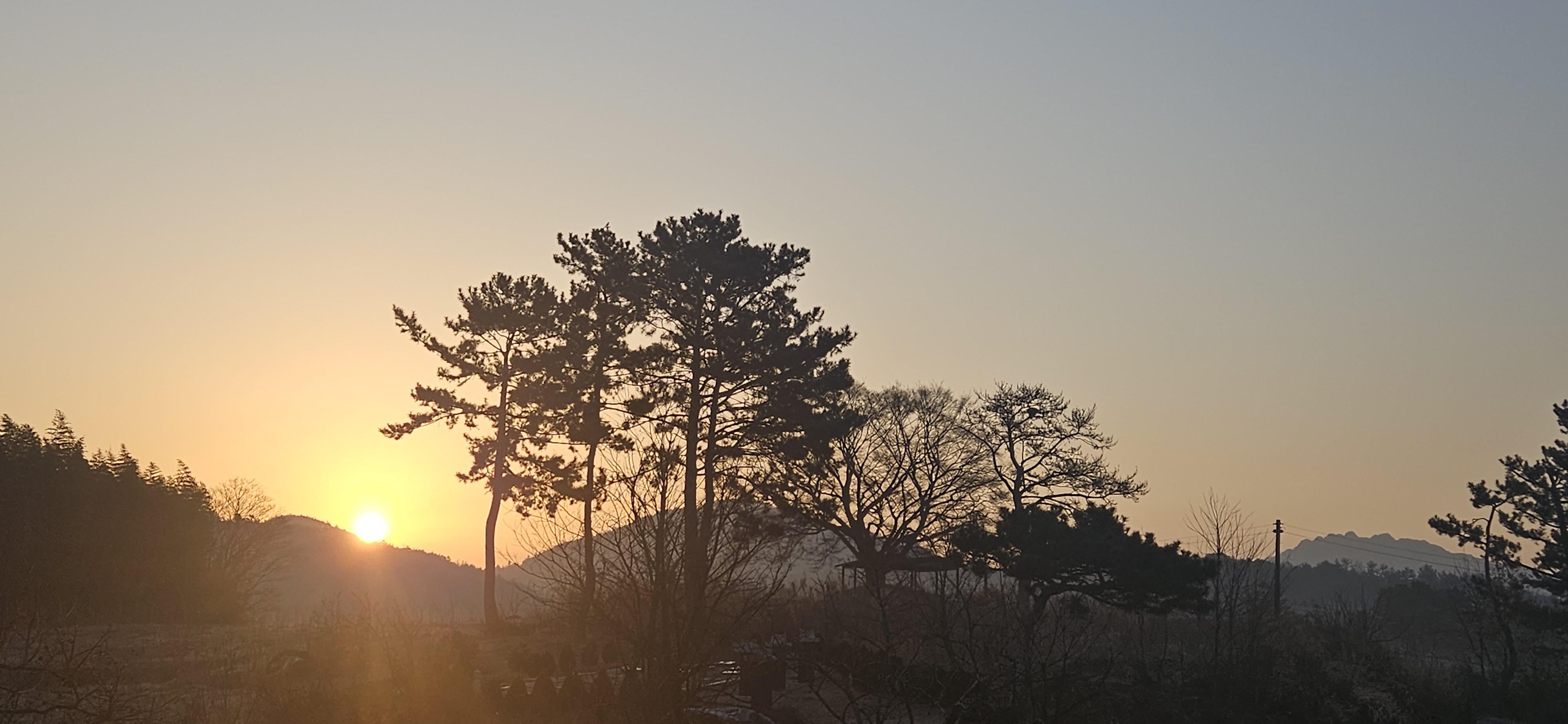
🌞 해(太陽)는 ‘하늘’이 드러난 것이다
— kha · ha · 해, 그리고 설날(surya)의 의미
우리는 매일 “해가 떴다”고 말한다.
그러나 이 말은 단순한 자연 현상의 묘사가 아니다.
그 안에는 하늘이 드러나는 순간에 대한 오래된 언어의 기억이 담겨 있다.
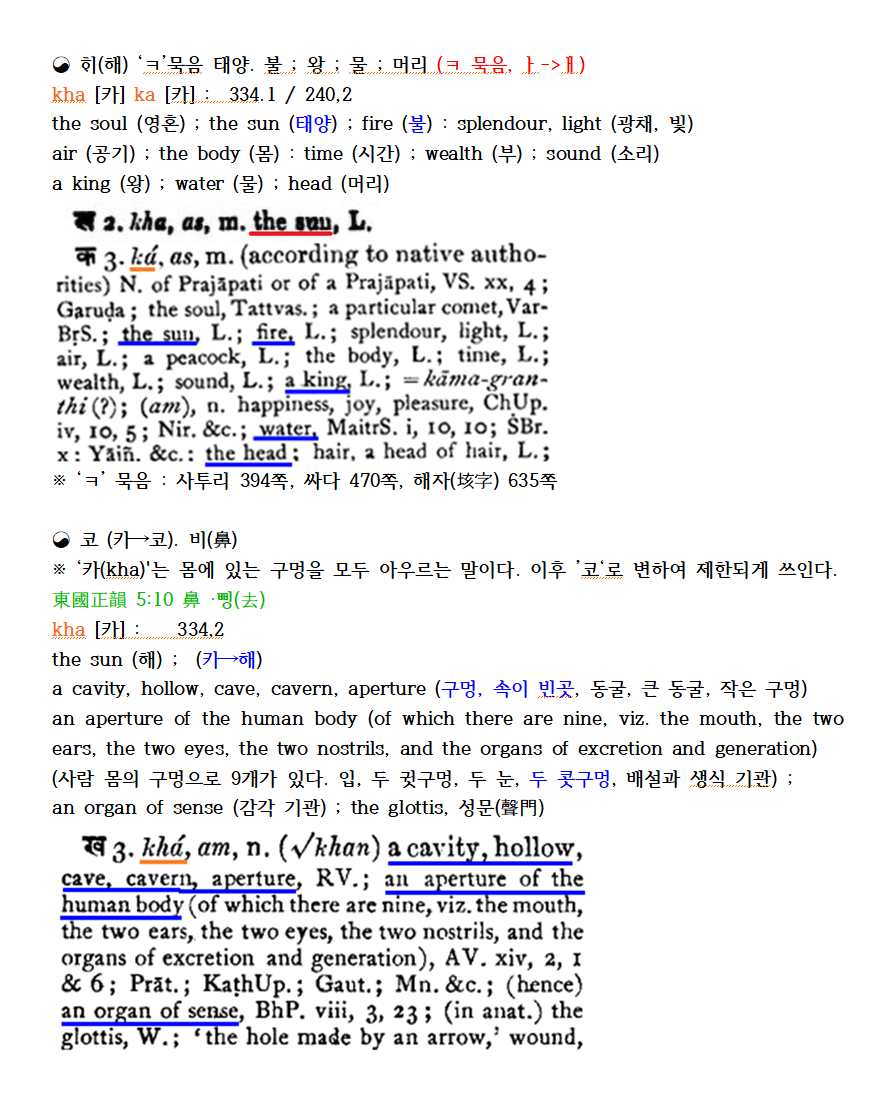
1. ‘해’의 뿌리 — kha에서 ha, 그리고 해로
범어에는 태양과 하늘을 가리키는 중요한 소리들이 존재한다.
- kha (카) : 하늘, 공(空), 비어 있으나 모든 것이 드러나는 자리
- ha (하) : 하늘, 드러난 공간
- sūrya (수리야) : 태양, 빛으로 완성된 존재
이 흐름 속에서 우리말 ‘해’는 다음과 같은 변화를 거친 것으로 볼 수 있다.
kha → ha → 해 (ㅏ → ㅐ 모음변화)
이 과정은 두 단계의 음운 변화로 설명된다.
첫째, kha에서 ha로 변화하며 거센 ‘ㅋ’ 계열 자음이 약화되어 ‘ㅎ’으로 이동한다.
둘째, ha에서 해로 변화하며 ㅏ 모음이 ㅐ로 상승한다.
결과적으로 ‘카 → 하 → 해’의 흐름이 형성된다.
2. ‘해’(太陽) 본래 의미 — 하늘이 드러남
범어 ‘ha’는 곧 하늘을 의미한다.
따라서 ‘해’는 단순한 태양이라는 물체가 아니라
하늘이 드러난 상태, 빛으로 가득 찬 세계를 뜻한다.
3. 해가 뜬다는 것의 의미
해가 뜨기 전의 세계는 어둠 속에 잠겨 있다.
그러나 해가 떠오르는 순간, 사물의 윤곽이 드러나고 길이 보이며 사람과 자연이 서로 인식된다.
이때 비로소 하늘이 열린다.
해가 뜬다는 것은 태양이 떠오른 사건이 아니라
하늘이 세상에 펼쳐진 사건이다.
4. ‘카 → 하 → 해’의 의미 구조
이 흐름은 단순한 발음 변화가 아니라 존재가 드러나는 과정이다.
- kha (카) : 아직 드러나지 않은 하늘, 가능성의 상태
- ha (하) : 열린 하늘, 드러난 상태
- 해 : 완전히 드러난 빛의 상태
보이지 않던 하늘이 빛으로 드러난 결과가 곧 ‘해’이다.
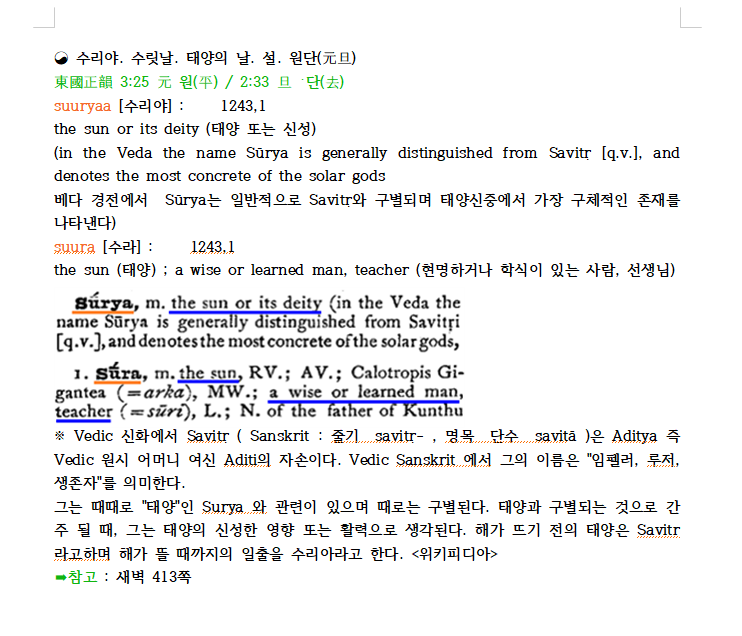
5. 설날 — surya, 해의 탄생
설날은 단순한 새해 첫날이 아니다.
범어 sūrya는 태양을 의미한다.
따라서 설날은 해가 새롭게 드러나는 날로 이해할 수 있다.
6. 시간의 흐름 속에서 본 해
이 흐름을 시간 구조 속에서 보면 다음과 같이 정리된다.
- 섣달 : 해가 아직 드러나지 않은 상태
- 쇤다 : 경계, 넘어가는 순간
- 설날 : 해가 태어나는 순간
- 해 : 하늘이 완전히 드러난 상태
7. 결론 — 해는 하늘의 완성이다
우리말 ‘해’는 단순한 자연어가 아니다.
하늘(kha)이 열리고, 하늘(ha)이 드러나며, 빛(해)으로 완성된
우주의 드러남 자체를 가리키는 말이다.
우리가 “해가 떴다”고 말할 때,
그 말의 깊은 뜻은 결국 하늘이 세상에 드러났다는 데 있다.
그리고 설날은 그 하늘이 다시 시작되는 시간이다.

●스스로 "나"를 사랑하고, 우리말과 역사를 사랑하는 모든 사람들에게 전달해 주십시오.
위 내용은 인터넷 주소창과 카톡에 아래와 같이 바로 입력하여 볼 수 있습니다.
www.다일라.한국/52
Kim Seok-Hoon
Korean Etymology Researcher
Editor of Our Korean–Sanskrit Etymological Dictionary
Genealogical & Historical Lineage Researcher
Compiler of the scroll The Genealogical History of Humanity from the Heavenly Emperor Hwan-State and Joseon
🌞 The Sun (Hae) Is the Manifestation of the Sky
— kha · ha · hae, and the Meaning of Seollal (Surya)
We say every day, “The sun has risen.”
Yet this is not merely a description of a natural phenomenon.
Within this expression lies an ancient linguistic memory of the moment when the sky reveals itself.
1. The Root of “Hae” — From kha to ha to hae
In Sanskrit, there are fundamental sounds that refer to the sun and the sky:
- kha : the sky, the void — an empty space where everything can appear
- ha : the sky as it is opened and revealed
- sūrya : the sun, the fully manifested presence of light
Within this framework, the Korean word hae (sun) can be understood as having undergone the following transformation:
kha → ha → hae
This process can be explained through two stages of phonological change.
First, kha becomes ha, as the aspirated velar consonant weakens into an “h” sound.
Second, ha becomes hae, as the vowel shifts from “a” to “ae.”
Thus, the sequence “ka → ha → hae” is formed.
2. The Original Meaning of “Hae” — The Revelation of the Sky
In Sanskrit, ha signifies the sky itself.
Therefore, hae does not merely refer to the physical object of the sun,
but to a state in which the sky is revealed — a world filled with light.
3. What It Means for the Sun to Rise
Before the sun rises, the world lies in darkness.
When the sun appears, the outlines of things become visible, paths emerge, and people and nature begin to recognize one another.
At that moment, the sky is opened.
The rising of the sun is not simply the appearance of a celestial body,
but the unfolding of the sky into the world.
4. The Structure “kha → ha → hae”
This sequence is not just a phonetic shift, but a process of manifestation.
- kha : the unmanifest sky, a state of potential
- ha : the opened sky, a state of emergence
- hae : the fully revealed state of light
What was unseen becomes visible; the sky manifests as light — this is hae.
5. Seollal — Surya, the Birth of the Sun
Seollal (Lunar New Year) is not merely the first day of the year.
The Sanskrit word sūrya means the sun.
In this sense, Seollal can be understood as the day when the sun newly reveals itself.
6. The Flow of Time and the Sun
Seen within the structure of time, this process unfolds as follows:
- The last month of the year: the sun remains unmanifest
- The threshold (transition): the moment of crossing
- Seollal: the birth of the sun
- The sun (hae): the fully revealed sky
7. Conclusion — The Sun as the Completion of the Sky
The Korean word hae is not merely a term for a natural object.
It signifies the very process by which
the sky (kha) opens,
the sky (ha) is revealed,
and light (hae) comes into full manifestation.
When we say, “The sun has risen,”
the deeper meaning is that the sky has revealed itself to the world.
And Seollal marks the moment when this revelation begins anew.