김석훈 | 우리말 뿌리연구가, 『우리말 범어사전』 편저자
| 역사계보 족보연구가, 『천제환국조선인류역사계보 』 두루마리 편
| '다일라 운동' 주창
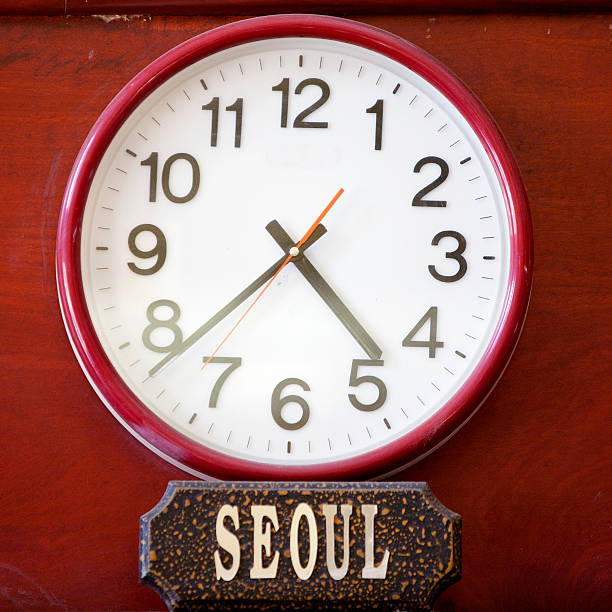
시간(時間)의 말들 — 찰나 · 겨를 · 짬 · 틈 · 때 · 시(時)
우리말에는 시간을 나타내는 말이 매우 다양하다.
때, 겨를, 짬, 짬짬이, 잠시, 참, 틈…
이 말들은 “시간” 자체만이 아니라,
“비어 있는 순간”, “숨 돌릴 틈”, “잠깐 열린 여유”를 뜻한다.
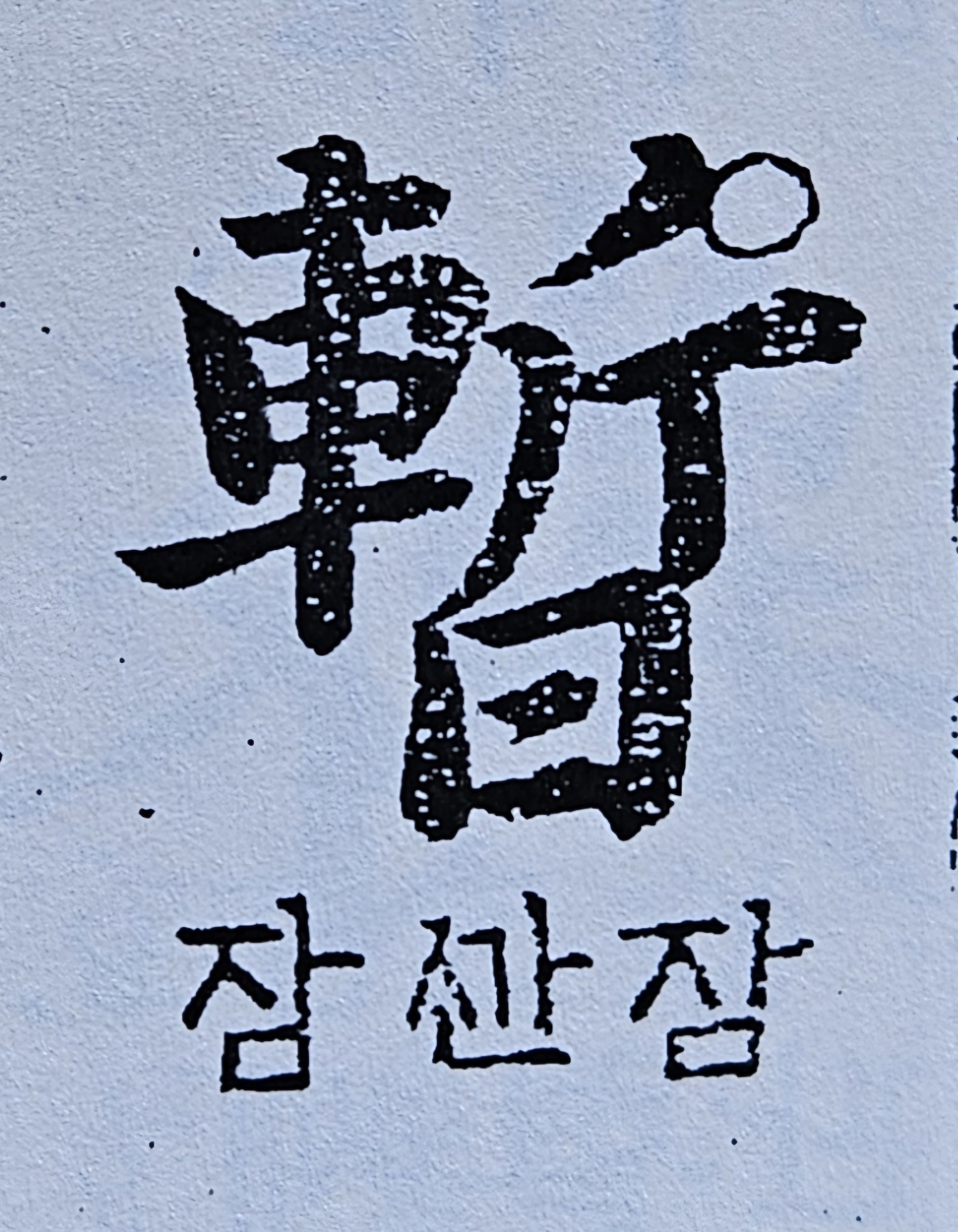
특히 옛말 ‘짬(暫)’은 매우 흥미롭다.
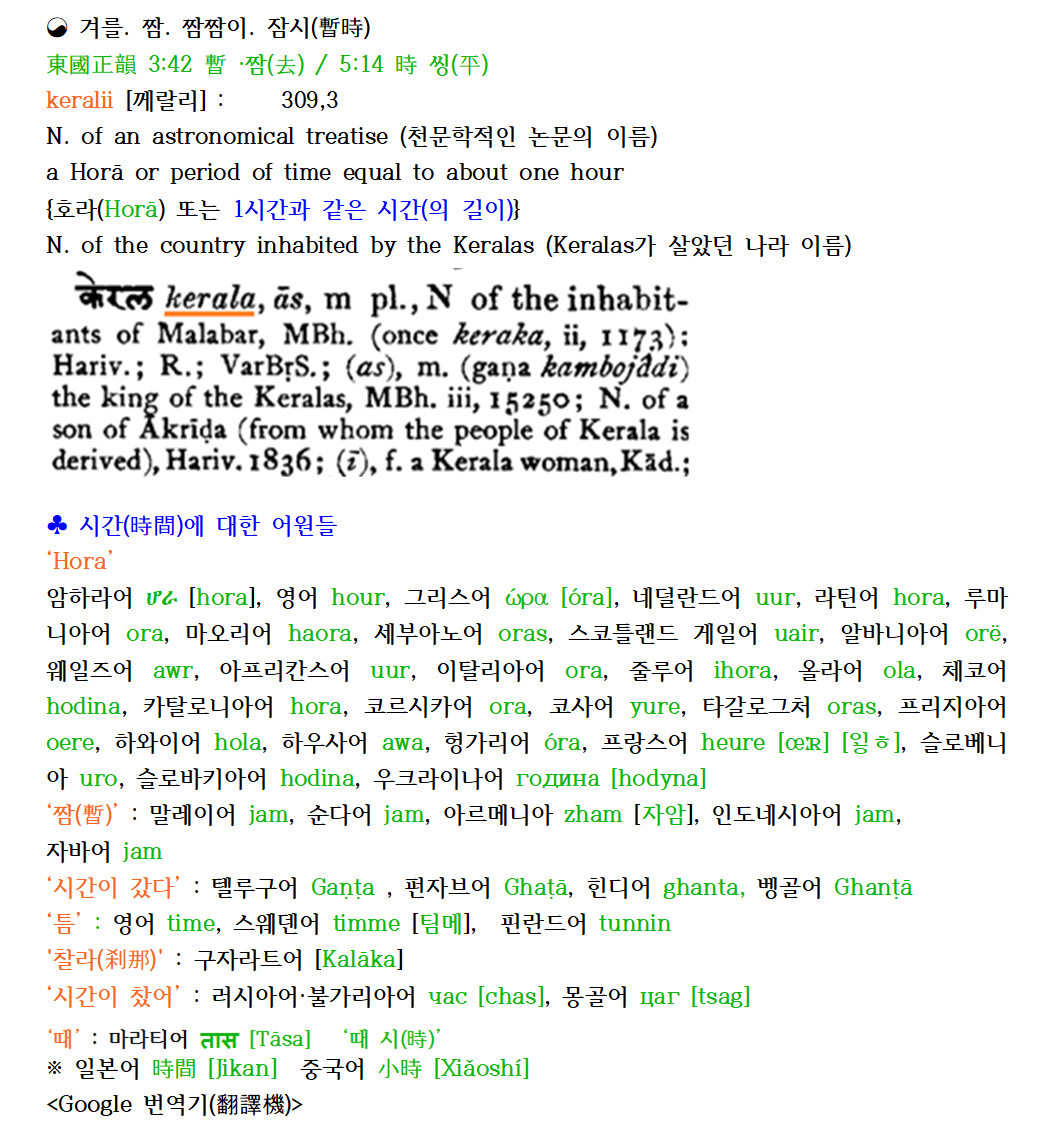
《동국정운》에는
• 暫 · 짬
• 時 · 씽
으로 기록되어 있다.
■ 1. 때(時) — 그 순간 · 그 경우 · 그 자리
1). 우리말 “때”
우리말 “때”는 단순한 시간이 아니다.
- 그때
- 이때
- 어느 때
- 때가 되다
- 때를 만나다
- 때를 놓치다
여기서 “때”는
단순한 시각(clock time)이 아니라,
▶ 어떤 일이 일어나는 순간
▶ 특정한 상황과 경우
▶ 일이 드러나는 자리
를 뜻한다.
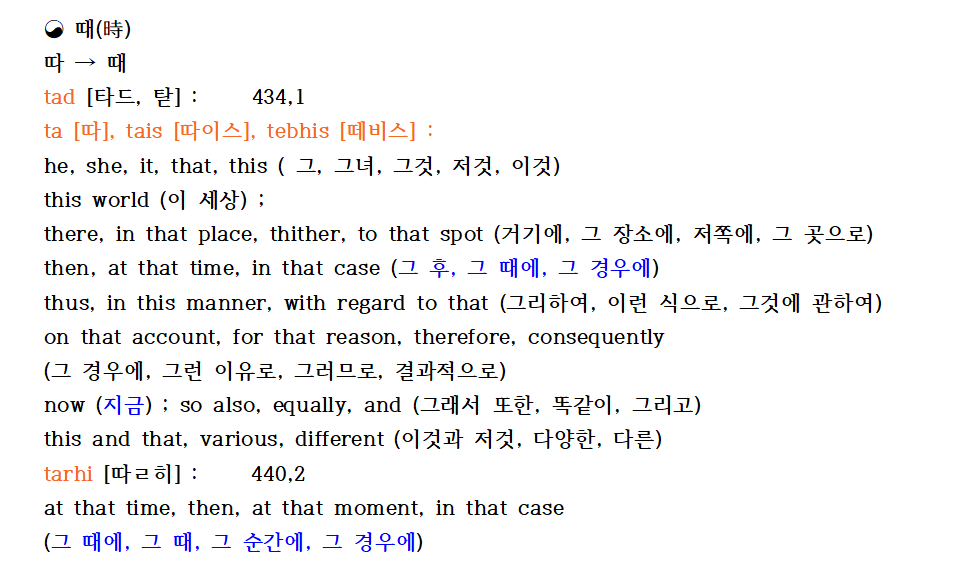
2). 산스크리트어 자료
따[ta] → 때(전설모음화)
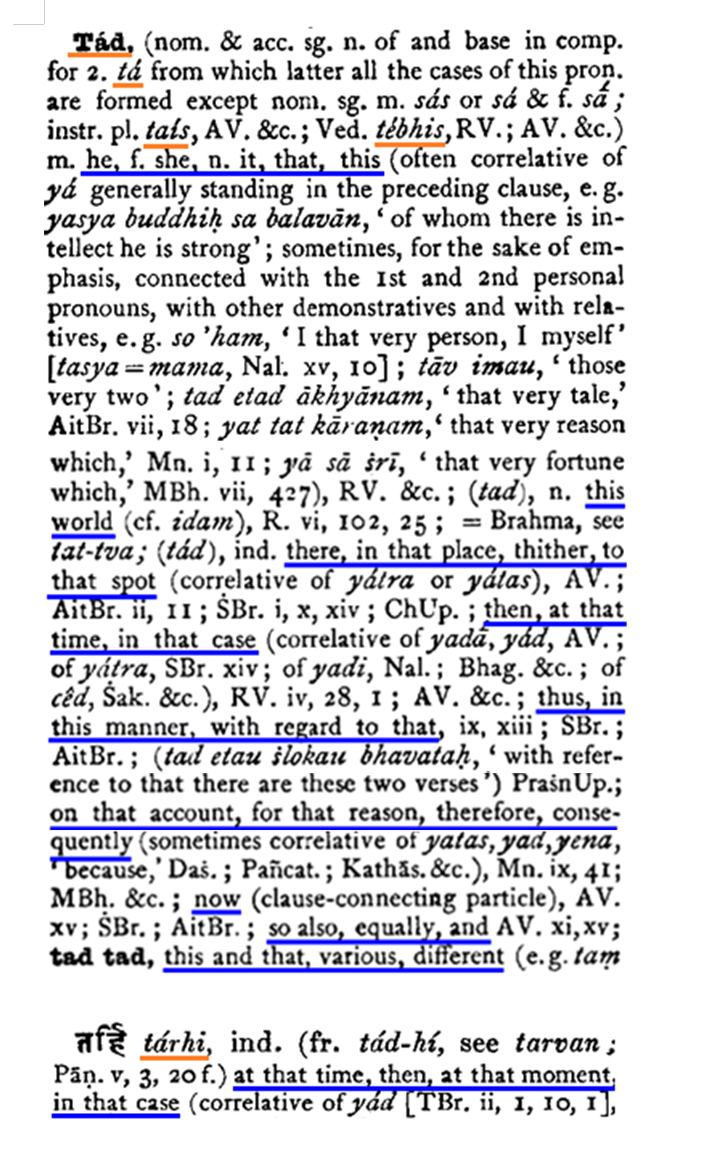
ta [따], tad [따드, 딷]
기본 지시음.
“그것”, “그 지점”, “그 순간”을 가리킨다.
뜻:
- that (그것)
- this (이것)
- then (그때)
- in that case (그 경우에)
- therefore (그러므로)
▶의미 확장
그것 → 그 자리→ 그 경우→ 그 순간→ 그때
tarhi [따ㄹ히]
- at that time 햗(그 때)
- then (그 때)
- at that moment (그 순간)
- in that case (그 경우)
우리말 “때”는
시간(time) + 상황(case) + 순간(moment)
이 함께 들어 있는 말이다.
2). 핵심 의미
고대 언어에서 시간은
추상적 숫자가 아니라
“바로 그 지점”을 가리키는 말에서 시작되는 경우가 많다.
즉:
▶ 지시(指示)→ 순간(point)→ 시간(time)
의 흐름이다.
■ 2. 겨를 — 시간의 마디
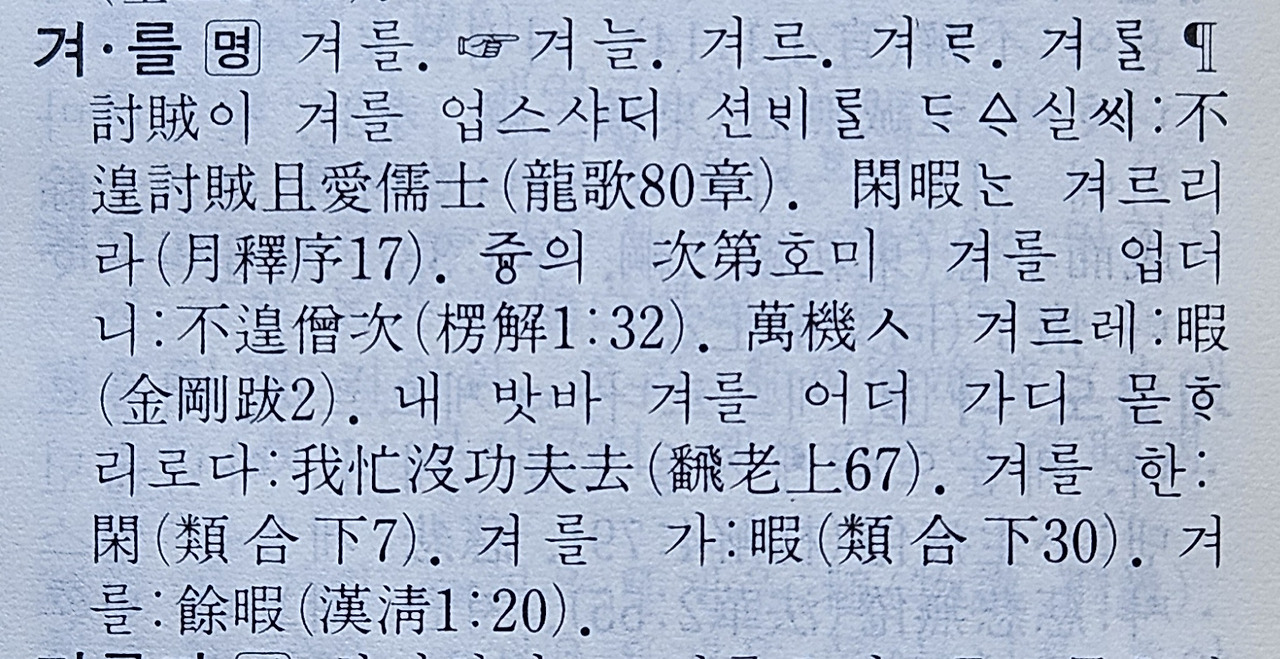
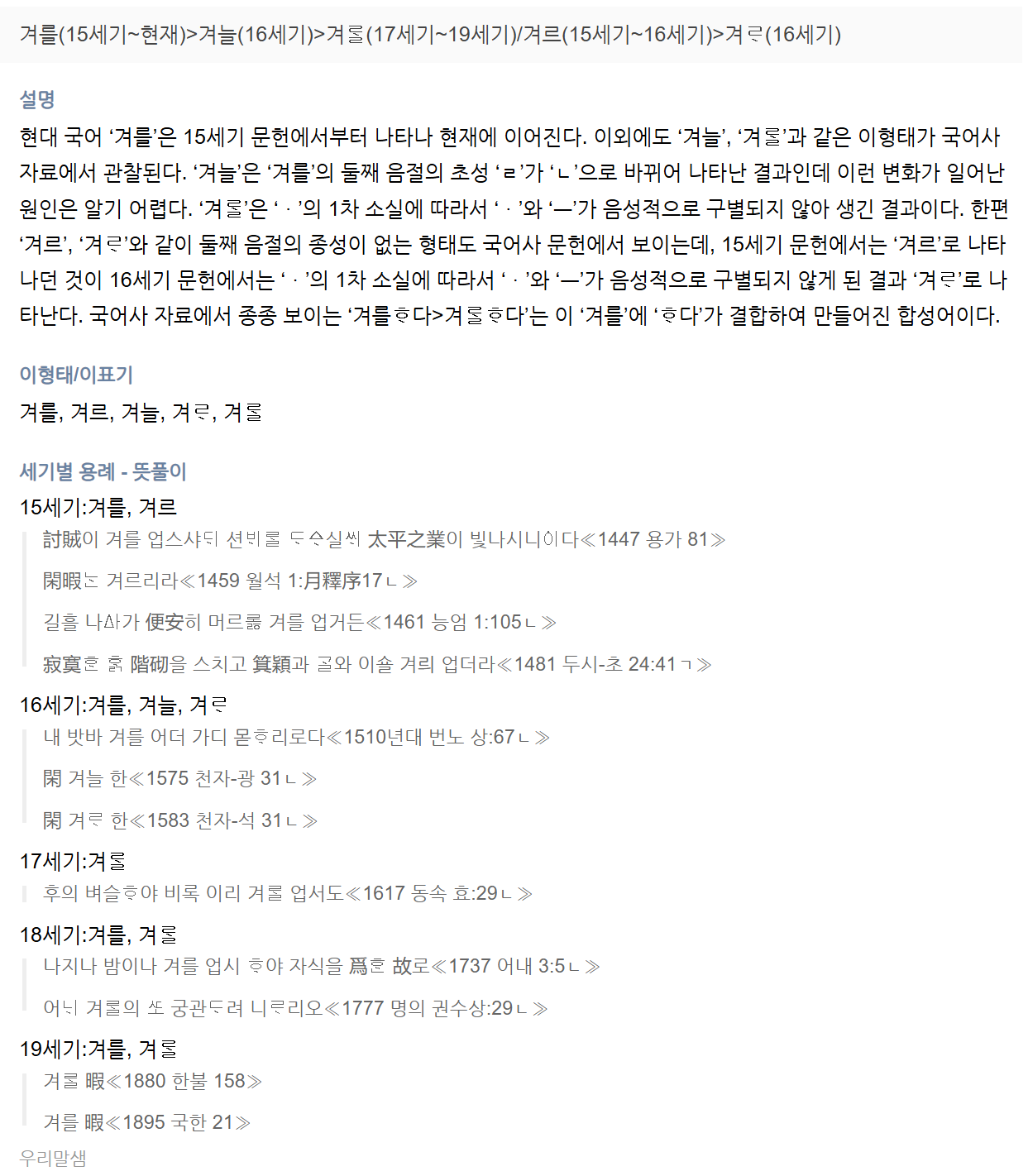
우리말 “겨를” 역시 매우 흥미로운 시간의 말이다.
겨를은 단순한 “남는 시간”이 아니라,
바쁜 흐름 속에서 잠시 열리는
“숨 돌릴 틈”,
“시간의 마디”를 뜻한다.
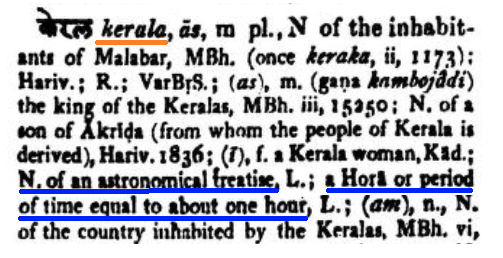
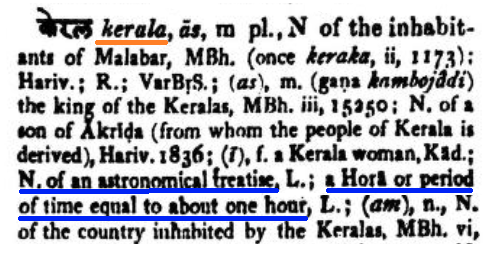
산스크리트어 사전에는 keralii(께랄리)라는 말이 나오는데,
• 천문학 논문의 이름
• Horā(호라), 즉 약 한 시간 정도의 시간 단위
라는 뜻으로 기록되어 있다.
즉 keralii는
고대 인도 천문학에서 실제
“시간의 한 구간”
“시간의 마디”
를 뜻하는 말로 쓰였던 셈이다.
우리말 “겨를” 역시
삶의 흐름 속에서 잠시 생겨나는
“시간의 틈과 여유”를 뜻한다는 점에서,
시간을 단순한 숫자가 아니라
“열리고 닫히는 삶의 구간”으로 이해한
오래된 감각을 보여주는 말이라 할 수 있다.

■ 3. hora — 세계로 퍼진 “시간”, 영어 hour
산스크리트어 horā(호라)는
“시간”, “한 시각”, “천문학적 시간 단위”를 뜻한다.
관련 형태들은 세계 여러 언어에 널리 퍼져 있다.
• 라틴어 hora
• 영어 hour
• 그리스어 ὥρα (hōra)
• 프랑스어 heure
• 이탈리아어 ora
• 루마니아어 ora
• 헝가리어 óra
• 암하라어 hora
• 타갈로그어 oras
• 세부아노어 oras
• 하와이어 hola 등
시간을 재고 구분하는 문명 언어의 핵심 어근 가운데 하나이다.
★ 산스크리트어 horā(호라) 이 한 단어만 보더라도
영어 hour를 포함한 서양 모든 언어의 뿌리임을 알 수 있다.
■ 4. 짬 — 잠깐 열린 시간 / 참(站)
우리말 “짬”(暫)은
단순한 시간이 아니라
“비어 있는 틈”
“잠깐 생긴 여유”
“잠시 열린 순간”
을 뜻한다.
동남아 계통 언어에서도 유사한 음운이 보인다.
• 말레이어 jam
• 인도네시아어 jam
• 자바어 jam
• 순다어 jam
• 아르메니아어 zham
현대 인도네시아어 jam은
“시각”, “시간”, “시계” 뜻으로 널리 쓰인다.
즉,
짬 → 잠시(暫時) → 시간의 한 구간
이라는 의미 흐름을 생각해 볼 수 있다.
* 참(站) - 일을 하다가 일정하게 잠시 쉬는 동안.
일을 시작하여서 일정하게 쉬는 때까지의 사이.
무엇을 하는 경우나 때.
예) 한참만에 보다.
‘짬(暫)’
《동국정운》
• 暫 · 짬 [짬]
• 時 · 씽 [씨]
세종대왕 당시
잠시가 暫(짬)이었고,
그것이 오늘날 “잠시”, “짬”, “짬짬이”로 이어진다.

■ 5. 시간이 간다 — ghanta 계열
인도계 언어들에는
“시간이 흘러감”을 나타내는 말들도 있다.
• 힌디어 ghaṇṭā
• 벵골어 ghaṇṭā
• 텔루구어 gaṇṭa
• 펀자브어 ghaṭā
원래는 “종(鐘)”이나 “시를 알리는 타종” 의미와 연결되며,
점차 “한 시간”이라는 뜻으로 확장되었다.
즉,
시간 = 울림으로 알려지는 흐름
이라는 인식이 담겨 있다.

■ 6. 틈 · time · timme
우리말 “틈”도 흥미롭다.
시간은 본래
끊임없이 흐르는 것이 아니라,
무언가와 무언가 사이에 생기는
“간격”으로 체감되기 때문이다.
• 영어 time
• 스웨덴어 timme
• 핀란드어 tunti
등과 비교하면,
시간을 “구간”이나 “틈”으로 인식하는 구조가 보인다.
★ 틈이 타임(time)이 되기까지
틈→ 팀 → 타임
우리말에서도 'ㅡ'가 'ㅣ'로 음운 변화하거나
반대로 'ㅣ'가 'ㅡ'로 변화하는 것은 아주 많다.
• 느리다 ↔ 니리다
(옛말·방언 흔적)
• 슬다 ↔ 실다
(‘실금’, ‘슬금슬금’ 계열 비교 가능)
• 쓰다 ↔ 씨다
(전라도 일부 방언 발음)
• 크다 ↔ 키다
(“키가 크다”에서 의미·음운 연결)
■ 7. 찼다 · 차다 · 시각
러시아어와 몽골어 계통에서는
• 러시아어 час (chas)
• 불가리아어 chas
• 몽골어 tsag
등이 “시간”을 뜻한다.
우리말의
“시간이 찼다”
“때가 되었다”
같은 표현과 연결해 보면,
시간을
무언가가 차오르고 완성되는 흐름
으로 이해한 흔적처럼 보이기도 한다.
■ 8. 찰나(刹那)와 가라(迦羅)
불교 철학과 고대 인도 역법에서
시간은 멈추지 않는 강물이 아니라,
잘게 쪼개어진 ‘마디들의 연속’이다.
불교 경전은 시간을
고정된 하나의 흐름으로 보지 않았다.
산스크리트어 kṣaṇa[크샤나]는
한자로 刹那(찰나)라고 음역되었다.
• 아주 짧은 순간
• 눈 깜빡할 사이
• 순간(moment)
• 찰나(instant)
를 뜻한다.
kṣaṇa [크샤나] 어근 kṣan : ‘부수다, 끊다, 상처 내다’
특히 《바가바타 푸라나(BhP)》 계통에서는
kṣaṇa를 약 0.8초,
또는 24/35초 정도로 설명하기도 한다.
또 산스크리트어 Kalā[깔라]는
한자로 迦羅(가라)로 음역되며,
• 부분(part)
• 조각(piece)
• 마디(section)
를 뜻한다.
kāla[깔라] 어근 kal : '계산하다(calculate)'
시간이 단순히 흐르는 무언가가 아니라 "수치로 마디를 나누어 계산된 것" 의미.
'가라(迦羅) = 시간의 조각'
■ 9. 동아시아의 시간 표현
동아시아에서는
“시(時)” 개념이 중심이다.
• 일본어 時間[じかん, jikan]
• 중국어 小時 [xiǎoshí]
등은 모두
“시(時)의 구간”이라는 뜻을 가진다.
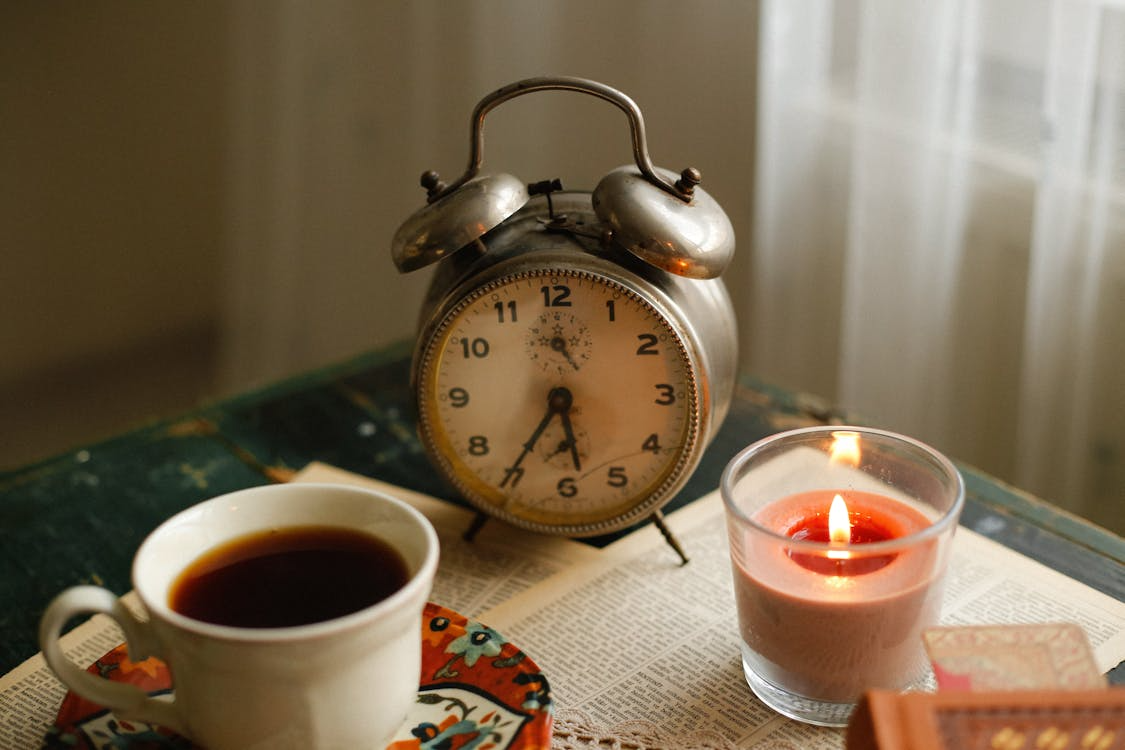
Break Time — 왜 ‘쉬는 시간’은 ‘부러진 시간’일까?
(이상숙 선생님께서 2026. 05. 11(월) 질문에 대한 정리입니다.)
영어 Break time의 break는 원래
“부러뜨리다, 끊다, 잘라내다”라는 뜻이다.
즉,
계속 이어지던 흐름을
잠시 끊어 놓는 시간이라는 의미다.
바쁜 일의 연속성을 부러뜨려(Break) 공간을 만들었기 때문에
생기는 여유(leisure)가 곧 즉, Break time이다.
★찰나(刹那) 어원 xaNa(kṣaṇa) 의 어근이 " xan(kṣan) = to break" 이다.
우리말 '부러뜨리다'에 음운적으로 대응하는 산스크리트어에는
vṛśc / vrashch [브라시치]
→ 자르다, 베다, 쪼개다
라는 말이 있다.
• vṛishchyate
→ 잘리다, 끊기다
• vṛishchita
→ 잘려진 상태
즉,
Break 역시 본래는
“잘라냄”의 감각이다.
그래서 Break time은 단순한 휴식이 아니라,
계속 이어지던 삶의 흐름을
잠시 “툭 끊어” 숨을 돌리는 순간인 셈이다.
우리말도 비슷하다.
겨를, 짬, 틈, 잠시…
모두 바쁜 흐름 속에서
잠깐 생겨난 “빈 틈”을 뜻한다.
《동국정운》에는
暫 · 짬
時 · 씽
으로 기록되어 있다.
'짬'이 곧 잠시(暫時)이다
틈→ 팀 → 타임
흥미롭게도
세계 여러 언어의 시간 말들도
이 “틈”의 개념과 연결된다.
• hour / hora
• jam
• ghaṇṭā
• time / timme
• chas / tsag
어쩌면 인간은
쉰다는 것조차
삶의 시간을 잠시 부러뜨려(Break)
자신을 다시 이어 붙이는 일로 이해했는지도 모른다.

●스스로 "나"를 사랑하고, 우리말과 역사를 사랑하는 모든 사람들에게 전달해 주십시오.
위 내용은 인터넷 주소창과 카톡에 아래와 같이 바로 입력하여 볼 수 있습니다.
www.다일라.한국/67
www.다일라.한국/61
다일라! - 대한민국 정신적 좌표
김석훈 | 우리말 뿌리연구가, 『우리말 범어사전』 편저자 | 역사계보 족보연구가, 『천제환국조선인류역사계보 』 두루마리 편 | '다일라 운동' 주창 다일라!!! 다 + 일라 다 깨어 일어나라다일
www.xn--2j1b40gc5q.xn--3e0b707e
www.다일라.한국/2
☆ 다 깨어 일어나라!!! 다일라!!! ☆ --대한민국 새로운 구호 제창
◈ ◈ ◈ ◈ ◈ ◈ ◈ ◈ ◈ ◈ ◈ ◈ ◈ ◈ ◈ ◈ ◈ ◈ ◈ ◈ ◈ ◈ ◈ ◈ ◈ ◈ ◈ ◈ ◈ ◈ ◈ ◈
Kim Seok-Hoon
Korean Etymology Researcher
Editor of Our Korean–Sanskrit Etymological Dictionary
Genealogical & Historical Lineage Researcher
Compiler of the scroll The Genealogical History of Humanity from the Heavenly Emperor Hwan-State and Joseon
Words of Time — Gyeoreul, Jjam, Teum, and Si (時)
The Korean language has many different words related to time.
Gyeoreul (겨를), jjam (짬), jjamjjam-i, jamsi (잠시), cham (참), teum (틈)…
These words do not merely mean “time” itself,
but rather:
“an empty moment,”
“a breathing space,”
“a briefly opened interval of rest.”
Especially interesting is the old word “jjam” (暫).
In Dongguk Jeongun (東國正韻), it appears as:
• 暫 · jjam
• 時 · ssi
During the time of King Sejong,
“jamsi” (a brief moment) was written as 暫 (jjam),
and this later evolved into the modern Korean words:
“jamsi,” “jjam,” and “jjamjjam-i.”
■ 1. 때 (時) — That Moment · That Case · That Place
1) The Korean word “때”
In Korean, ttae (때) does not simply mean “time.”
- geu-ttae (그때) — that time
- i-ttae (이때) — this time
- eoneu ttae (어느 때) — some time / a certain time
- ttaega doeda (때가 되다) — the time has come
- ttaereul mannada (때를 만나다) — to meet the right moment
- ttaereul nohchida (때를 놓치다) — to miss the right timing
Here, “때” is not merely clock time.
It means:
▶ the moment when something happens
▶ a particular situation or case
▶ the place where something reveals itself
2) Sanskrit Materials
ta [타] → tae (front-vowel shift) → ttae (fortition / tensification)
ta [타], tad [타드, 탇]
A basic demonstrative sound.
It points to:
“that,” “that point,” “that moment.”
Meanings:
- that
- this
- then
- in that case
- therefore
▶ Semantic expansion
that thing → that place → that case → that moment → that time
tarhi [타르히]
- at that time
- then
- at that moment
- in that case
The Korean word “때” contains together:
time + situation + moment
3) Core Meaning
In ancient languages, time was often not an abstract number.
Rather, it began from a word pointing to:
“that very point.”
That is:
▶ indication → point(moment) → time
This is the semantic flow.
■ 2. Gyeoreul — the joints of time
The Korean word “gyeoreul” is also a fascinating word for time.
It does not simply mean “free time,”
but rather:
“a breathing gap,”
“a joint in time,”
“a briefly opened interval within a busy flow.”
In the Sanskrit dictionary appears the word keralii:
• the name of an astronomical treatise
• Horā, that is, a unit of time equal to about one hour
Thus keralii was actually used in ancient Indian astronomy to mean:
“a section of time,”
“a joint or division within time.”
Likewise,
the Korean word “gyeoreul” refers to
the small intervals and spaces of rest that briefly emerge within the flow of life.
This suggests an ancient understanding of time
not merely as numbers,
but as “segments of life that open and close.”
Monier-Williams,
A Sanskrit-English Dictionary, p. 309
■ 3. hora — “time” spread across the world / English hour
The Sanskrit word horā means:
“time,”
“an hour,”
“an astronomical unit of time.”
Related forms spread widely across world languages:
• Latin hora
• English hour
• Greek hōra (ὥρα)
• French heure
• Italian ora
• Romanian ora
• Hungarian óra
• Amharic hora
• Tagalog oras
• Cebuano oras
• Hawaiian hola, etc.
It became one of the core roots used by civilizations to measure and divide time.
★ Even this single Sanskrit word horā clearly suggests a root behind many Western time-words, including English hour.
■ 4. Jjam — a briefly opened time / Cham (站)
The Korean word “jjam” (暫)
does not simply mean time itself.
It refers to:
“an empty gap,”
“a briefly created space,”
“a momentary opening.”
Similar sounds appear in Southeast Asian languages:
• Malay jam
• Indonesian jam
• Javanese jam
• Sundanese jam
• Armenian zham
In modern Indonesian,
jam widely means:
“time,”
“hour,”
“clock.”
Thus we may imagine the semantic flow:
jjam → jamsi (暫時) → a segment of time
- Cham (站)
– a brief pause while working
– the interval between beginning work and resting
– a particular occasion or moment
Example:
“After quite a long cham (while)…”
Dongguk Jeongun 3:42
Sinjeung Yuhap 下59
■ 5. Time passes — the ghaṇṭā family
In Indo-related languages,
there are words expressing
“the passage of time”:
• Hindi ghaṇṭā
• Bengali ghaṇṭā
• Telugu gaṇṭa
• Punjabi ghaṭā
Originally these referred to:
“bells”
or “time-signaling strikes,”
and gradually expanded into the meaning of “one hour.”
In other words:
time = a flow announced through resonance and sound.
■ 6. Teum · time · timme
The Korean word teum (틈, gap) is also fascinating.
Time is not always experienced as an uninterrupted flow,
but rather as:
“an interval between things.”
Compare:
• English time
• Swedish timme
• Finnish tunti
These suggest a structure in which time is perceived as:
“sections”
or
“gaps.”
★ From teum (틈) to time
teum → tim → time
In Korean,
sound shifts between “ㅡ” and “ㅣ”
are very common.
Examples include:
• neurida ↔ nirida
(old forms and dialect traces)
• seulda ↔ silda
(comparable to silgeum / seulgeumseulgeum)
• sseuda ↔ ssida
(Jeolla dialect pronunciation)
• keuda ↔ kida
(sound-meaning linkage in “to be big” / “height”)
■ 7. Filled time · completion · time itself
In Russian and Mongolic languages:
• Russian chas (час)
• Bulgarian chas
• Mongolian tsag
all mean “time.”
These recall Korean expressions such as:
“Time has filled up.”
“The moment has come.”
This suggests an understanding of time as:
something that fills,
ripens,
and reaches completion.
■ 8. Kṣaṇa (刹那) and Kalā (迦羅)
In Buddhist philosophy and ancient Indian calendrical thought,
time was not understood as a fixed and continuous river,
but as a succession of finely divided “segments” or “joints.”
Buddhist scriptures did not regard time
as a single unchanging flow.
The Sanskrit word kṣaṇa [kshana]
was transliterated into Chinese characters as 刹那 (chalna).
It means:
• an extremely brief instant
• the blink of an eye
• a moment
• an instant
The root of kṣaṇa is kṣan,
which carries meanings such as:
“to break,”
“to cut,”
“to wound.”
In particular,
texts related to the Bhāgavata Purāṇa (BhP)
sometimes describe kṣaṇa
as approximately 0.8 seconds,
or about 24/35 of a second.
Another Sanskrit word, Kalā [kalaa],
was transliterated as 迦羅 (gara).
It means:
• a part
• a piece
• a section or segment
The root of kāla[kalaa] : “to calculate.”
Time is not merely something that flows,
but something “measured and divided into segments by numerical calculation.”
Thus:
“Kalā (迦羅) = a fragment or segment of time.”
■ 9. East Asian expressions of time
In East Asia,
the concept of “si” (時, hour/time) became central.
• Japanese 時間 (jikan)
• Chinese 小時 (xiǎoshí)
both literally mean:
“a section or interval of time.”

Break Time — Why Is Rest Called a “Broken Time”?
(Organized in response to a question kindly asked by teacher Lee Sang-suk on May 11, 2026.)
The English word break in “break time”
originally means:
“to break,”
“to cut,”
“to sever.”
In other words,
it refers to a moment in which an ongoing flow is temporarily interrupted.
Korean expressions are quite similar.
Gyeoreul, jjam, teum, jamsi…
all refer to “a small opening”
that appears within the busy flow of life.
In Dongguk Jeongun, we find:
暫 · jjam
時 · ssing
Thus, “jjam” itself essentially means “a brief time” (暫時).
In Sanskrit there is the word:
vṛśc / vrashch
= to cut, split, sever, chop down
Related forms include:
• vṛishchyate
= to be cut off, severed
• vṛishchita
= a cut or severed state
Thus,
the original sense of “break”
is also connected with “cutting.”
Therefore,
break time is not merely rest.
It is the moment when
the continuous flow of life
is briefly “cut,”
allowing one to breathe again.
★ From teum (틈) to time
teum → tim → time
Interestingly,
many words for time across world languages
are also connected to this idea of “gaps” and “intervals”:
• hour / hora
• jam
• ghaṇṭā
• time / timme
• chas / tsag
Ultimately,
time has not merely been understood as numbers,
but as:
flow,
gaps,
interruptions,
resonance,
and briefly opened spaces of rest.
Perhaps human beings have always understood “rest” itself
as the act of briefly breaking time
in order to reconnect themselves once again.