김석훈 | 우리말 뿌리연구가, 『우리말 범어사전』 편저자
| 역사계보 족보연구가, 『천제환국조선인류역사계보 』 두루마리 편
| '다일라 운동' 주창
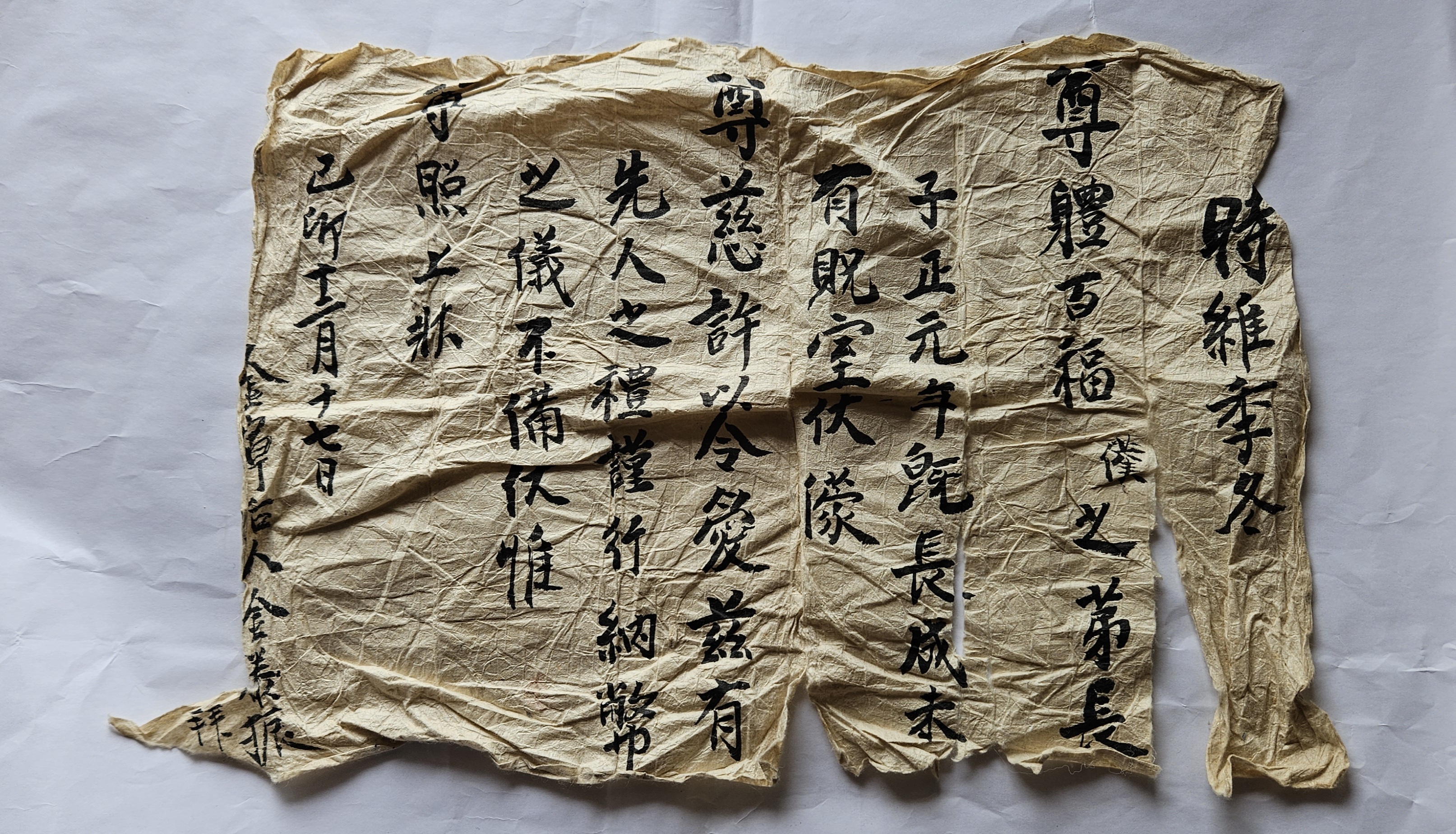
한 장의 혼서(婚書)가 열어 준 우리 집안의 시간
1939년, 할아버지 김태진이 외가에 보낸 편지
우리 집안에는 오래된 종이 한 장이 전해 내려온다.
1939년 겨울, 나의 할아버지 김태진(金泰振)※께서 외가에 보내신 혼서(婚書)다.
이 혼서는 아버지 김정원(金正元), 곧 김문빈(金文彬)의 혼인을 약속하며 보낸 편지다.
세월이 흐른 지금 보면 단순한 혼인 편지가 아니라, 한 가문의 예법과 정신이 담긴 역사 문서이기도 하다.
혼서는 이렇게 시작된다. ※ 보첩에는 항렬에 따라 김영윤(金永允)이라 적혀있음
時維季冬 尊體百福
“바야흐로 한겨울입니다. 어르신의 몸에 온갖 복이 함께하시기를 기원합니다.”
계절을 밝히고 상대의 안부를 묻는 문장이다.
이어 할아버지는 아버지의 상황을 정중하게 설명한다.
僕之第長子 正元 旣長成 未有配室
“저의 맏아들 정원이 이미 장성하였으나 아직 배필을 얻지 못했습니다.”
여기서 **정원(正元)**은 바로 나의 아버지다.
혼서 속의 이름 한 줄이, 지금은 한 세대의 기억을 이어주는 기록이 되었다.
혼서는 이어 외가에서 혼인을 허락해 준 것에 대한 감사의 뜻을 전한다.
伏承尊慈 許以令愛
“어르신께서 자애로운 마음으로 귀한 따님을 허락해 주셨습니다.”
그리고 전통 혼례의 절차인 **납폐(納幣)**를 알린다.
玆有先人之禮 謹行納幣之儀
“조상 대대로 내려온 예법에 따라 삼가 납폐의 예를 행하고자 합니다.”
납폐란 신랑 집에서 신부 집으로 예물을 보내는 의식이다.
혼서의 마지막에는 날짜와 함께 할아버지의 이름이 적혀 있다.
己卯十一月十七日 金寧后人 金泰振 拜
“기묘년 11월 17일, 김녕 김씨 후손 김태진 삼가 절 올립니다.”
이 날짜는 양력으로 1939년 12월 27일 수요일이다.
사대부 혼서 문체 그대로
이 혼서는 조선 후기부터 근대까지 이어진 전통 혼서 형식을 그대로 따르고 있다.
혼서의 구성은 다음과 같다.
- 계절 인사
- 안부 축원
- 신랑 소개
- 혼인 허락 감사
- 납폐 의식 안내
- 겸양의 마무리
- 날짜와 발신
특히
伏承尊慈
玆有先人之禮
謹行納幣之儀
같은 표현은 전통 사대부 혼서에서 자주 보이는 정형 문장이다.
이를 보면 당시 선대들이 한문 교육을 바탕으로 전통 예법을 지켜 왔음을 알 수 있다.
한 장의 종이가 이어주는 가문의 역사
우리 집안에는 이 혼서와 함께
- 1756년 병자생 김각 호적단자
- 1860년 김녕김씨 경신보(庚申譜)
- 1939년 혼서
같은 기록들이 남아 있다.
족보는 가문의 큰 계보를 보여주고,
호적은 가족의 삶을 기록하며,
혼서는 한 가정이 만들어지는 순간을 남긴다.
종이 한 장이지만 그 안에는
한 세대의 삶과 예법, 그리고 두 가문이 인연을 맺던 순간이 담겨 있다.
그리고 나는 이 혼서를 다시 펼쳐 보며 생각한다.
이 한 장의 종이 속에는
훗날 태어나 살아갈 우리 형제들의 삶이 시작되는 놀라운 비밀이 담겨 있다는 것을.
할아버지 김태진이 외가에 보낸 이 편지는
아버지 김정원(金正元)이 어머니 송시순(宋時順)을 맞이하는 첫 순간을 기록한 문서이기도 하다.
그 속에는 며느리를 맞이하며 가문을 이어가려는
할아버지의 마음과 책임이 조용히 담겨 있다.
무엇보다 마음을 울리는 것은 이 글이 쓰인 시대다.
1939년, 나라를 잃은 일제강점기의 한가운데에서도
우리 집안의 어른들은 여전히 우리의 예법과 글의 품격을 지켜내고 있었다.
나는 이 혼서를 보며 생각한다.
가문의 역사란 거창한 사건만으로 이루어지는 것이 아니라
이렇게 평범한 삶 속에서 지켜 온 예절과 마음 속에서 이어진다는 것을.
마지막 문장
1939년 겨울, 할아버지의 붓끝에서 시작된 이 편지는
한 남자의 혼인을 알리는 글이었지만,
세월이 흐른 지금은 우리 가족의 삶을 열어 준 작은 역사가 되었다.
그리고 그 종이 한 장은 지금도 조용히 말하고 있다.
한 가문의 시간은 기록 속에서 이어지는 것이 아니라,
그 기록을 기억하는 사람들 속에서 이어진다는 사실을.
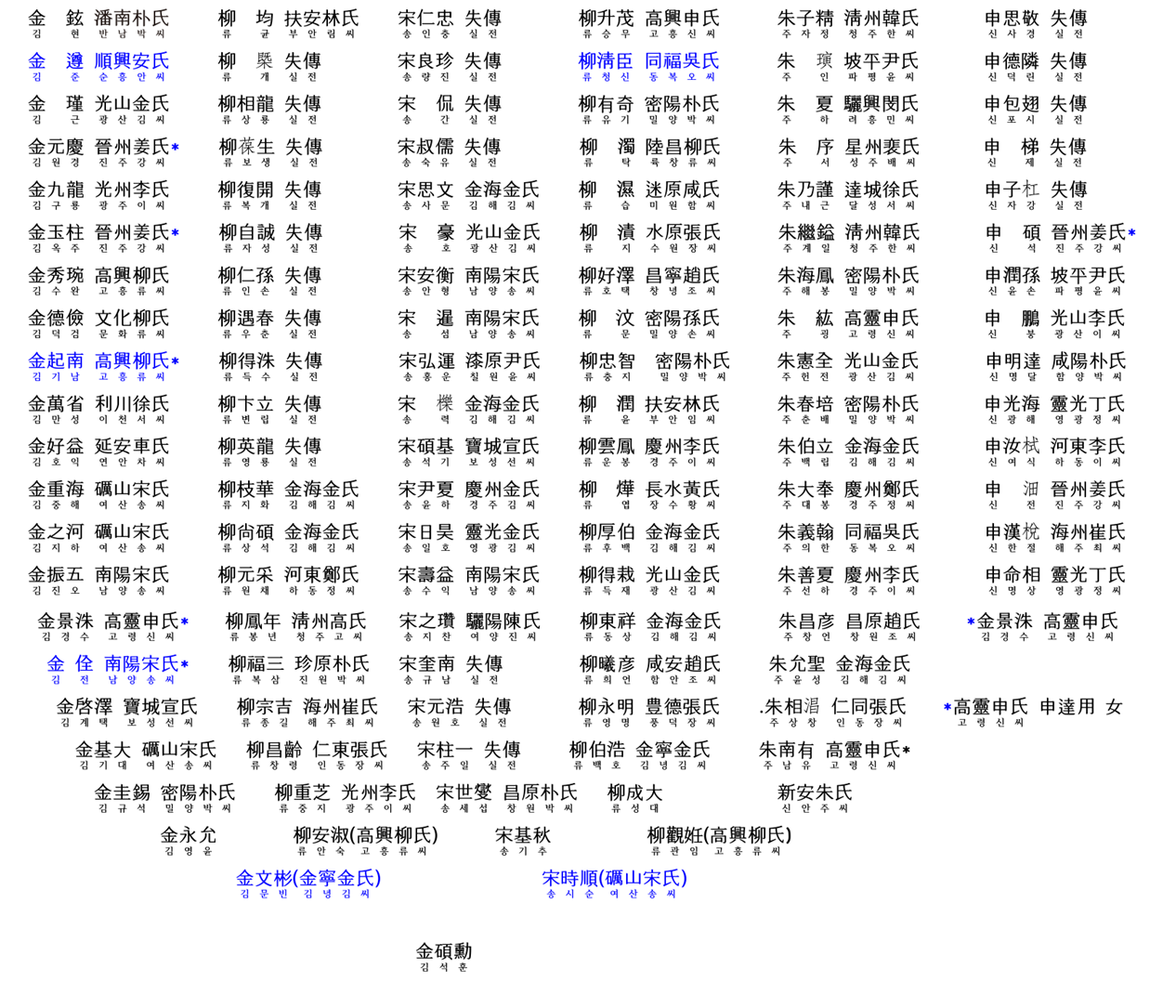
www.다일라.한국/4
역사와 족보가 만났다 (1만년 역사 계보 : 천제환국조선인류역사계보)
역사와 족보가 만났다 (1만년 역사 계보 : 천제환국조선인류역사계보)
"일 개인의 족보"에서 자신의 始祖(시조) 할아버지로 알고 있었던 조상이 다른 문중의 시조로 바뀌어 있다면 어떻게 될까? 우선 당장 어떻게 그런 일이 일어날 수 있는지 정말 믿기지 않고 황당
www.xn--2j1b40gc5q.xn--3e0b707e
●스스로 "나"를 사랑하고, 우리말과 역사를 사랑하는 모든 사람들에게 전달해 주십시오.
위 내용은 인터넷 주소창과 카톡에 아래와 같이 바로 입력하여 볼 수 있습니다.
www.다일라.한국/55
Kim Seok-Hoon
Korean Etymology Researcher
Editor of Our Korean–Sanskrit Etymological Dictionary
Genealogical & Historical Lineage Researcher
Compiler of the scroll The Genealogical History of Humanity from the Heavenly Emperor Hwan-State and Joseon
The Time of Our Family Opened by a Single Marriage Letter
A Letter My Grandfather Kim Tae-jin Sent to My Mother’s Family in 1939
In our family, there is an old sheet of paper that has been carefully preserved.
It is a marriage letter (honseo) sent in the winter of 1939 by my grandfather Kim Tae-jin (金泰振) to my mother’s family.
This letter was written to promise the marriage of my father Kim Jeong-won (金正元), later known as Kim Moon-bin (金文彬).
Looking back now, it is not merely a wedding letter, but a historical document that contains the etiquette and spirit of an entire family.
The letter begins with these words:
時維季冬 尊體百福
"It is now the deep of winter.
I pray that your honorable body be blessed with a hundredfold fortune."
This sentence opens with a seasonal greeting and wishes for the recipient’s well-being.
My grandfather then respectfully explains the situation of his son.
僕之第長子 正元 旣長成 未有配室
"My eldest son, Jeong-won, has now grown to maturity, yet he has not found a spouse."
Here, Jeong-won (正元) refers to my father.
A single name written in this letter has now become a record that connects generations of memory.
The letter continues by expressing gratitude for the bride’s family’s consent to the marriage.
伏承尊慈 許以令愛
"With deep respect, I have received your kind approval to give your honorable daughter in marriage."
It then announces the traditional wedding procedure known as nap-pye (納幣).
玆有先人之禮 謹行納幣之儀
"In accordance with the rites handed down by our ancestors, I humbly proceed with the ceremony of offering the wedding gifts."
Nap-pye refers to the custom in which the groom’s family sends ceremonial gifts to the bride’s family, an important step in traditional Korean marriage rites.
At the end of the letter, the date and the sender’s name appear:
己卯十一月十七日 金寧后人 金泰振 拜
"The seventeenth day of the eleventh month of the year Gi-myo.
Kim Tae-jin, descendant of the Gimhae Kim lineage, respectfully bows."
This date corresponds to Wednesday, December 27, 1939, in the Gregorian calendar.
A Classical Marriage Letter in the Tradition of the Scholar-Gentry
This document faithfully follows the traditional format of Korean marriage letters used from the late Joseon Dynasty into the modern era.
Its structure includes:
- Seasonal greeting
- Wishes for the recipient’s well-being
- Introduction of the groom
- Expression of gratitude for the marriage approval
- Announcement of the nap-pye ceremony
- A humble closing
- Date and signature
Expressions such as
- 伏承尊慈
- 玆有先人之禮
- 謹行納幣之儀
are typical phrases found in marriage letters of the scholar-gentry class.
From this, we can see that our elders maintained traditional etiquette and classical Chinese literacy even during that time.
A Family History Carried by a Single Sheet of Paper
In our household, this marriage letter is preserved alongside other documents:
- The household register of Kim Gak (born 1756)
- The 1860 Genealogical Record of the Gimnyeong Kim Clan (庚申譜)
- This marriage letter from 1939
A genealogy records the broad lineage of a family.
A household register documents the everyday lives of its members.
And a marriage letter preserves the moment when a new household begins.
Although it is only a single sheet of paper, it contains the life, etiquette, and union of two families at a particular moment in time.
When I unfold this letter today, I often reflect on something.
Within this single sheet of paper lies the remarkable beginning of the lives that my brothers and I would later live.
The letter my grandfather Kim Tae-jin sent to my mother’s family records the very first moment when my father Kim Jeong-won welcomed my mother Song Si-sun into our family.
In it is quietly contained my grandfather’s sense of responsibility and his heartfelt intention to welcome a daughter-in-law and continue the family lineage.
What moves me most is the time in which this letter was written.
In 1939, during the Japanese colonial period when Korea had lost its sovereignty, the elders of our family were still preserving the dignity of our traditions and the refinement of our written culture.
Whenever I read this letter, I realize that the history of a family is not made only by great events.
Rather, it is sustained through the courtesy, sincerity, and everyday values quietly maintained in ordinary lives.
Closing
The letter that began with my grandfather’s brush in the winter of 1939 was written simply to announce a man’s marriage.
Yet with the passing of time, it has become a small piece of history that opened the life of our family.
And even now, that single sheet of paper continues to whisper quietly:
The time of a family does not continue merely through written records—
it continues through the people who remember them.