·
김석훈 | 우리말 뿌리연구가, 『우리말 범어사전』 편저자
| 역사계보 족보연구가, 『천제환국조선인류역사계보 』 두루마리 편
| '다일라 운동' 주창
말과 돌, 그리고 사람
고흥 과역 석촌, ‘다일라문화공동체’로 마을을 다시 읽다
고흥군 과역면 석촌마을이 2025년 한 해 동안 펼친 ‘다일라문화공동체 만들기’ 활동이 《말과 돌, 그리고 사람》이라는 소책자로 묶였다. 이 책은 단순한 마을 홍보물이 아니다. 석촌이 스스로의 역사와 말, 그리고 사람을 다시 돌아보고 기록한 1년의 여정이다.
석촌의 이야기는 사람의 기억을 훨씬 거슬러 올라간다. 고흥 일대는 보성 비봉 - 과역 - 여수 사도·낭도으로 이어지는 국내 최대 공룡 유적 벨트의 중심부로, 약 2억 6천만 년 ~ 6천6백만년 전 공룡이 알을 낳고 새끼를 길렀던 생명의 터전이다. 석촌은 그 한가운데 자리한 마을이다. 이곳은 단순히 발자국이 남은 땅이 아니라, 생명이 오래전부터 ‘살아온 자리’였다.
마을의 옛 이름은 ‘돌빼기’. 마을 앞에 박힌 커다란 돌에서 비롯된 이름이다. 그 돌의 정체는 고인돌이었다. 현재 20여 기가 확인되는 석촌의 고인돌은 단순한 무덤이 아니라, 하늘의 별과 계절, 땅의 방향을 함께 읽어낸 선사 공동체의 지혜가 담긴 구조물이다. 석촌은 말 그대로 돌에서 태어난 마을이다.
조선 세종 때 병조판서와 영돈녕부사를 지낸 김준의 후손들이 가산을 거쳐 석촌에 정착하면서 이곳에는 600년에 이르는 생활의 시간이 이어졌다. 그러나 석촌의 역사는 특정 가문의 이야기에 머물지 않는다. 임진왜란과 병자호란의 위기 속에서 김기남 장군과 이름 없는 의병들까지, 성씨를 넘어 이 땅을 지켜낸 사람들의 선택이 마을의 역사로 남았다.
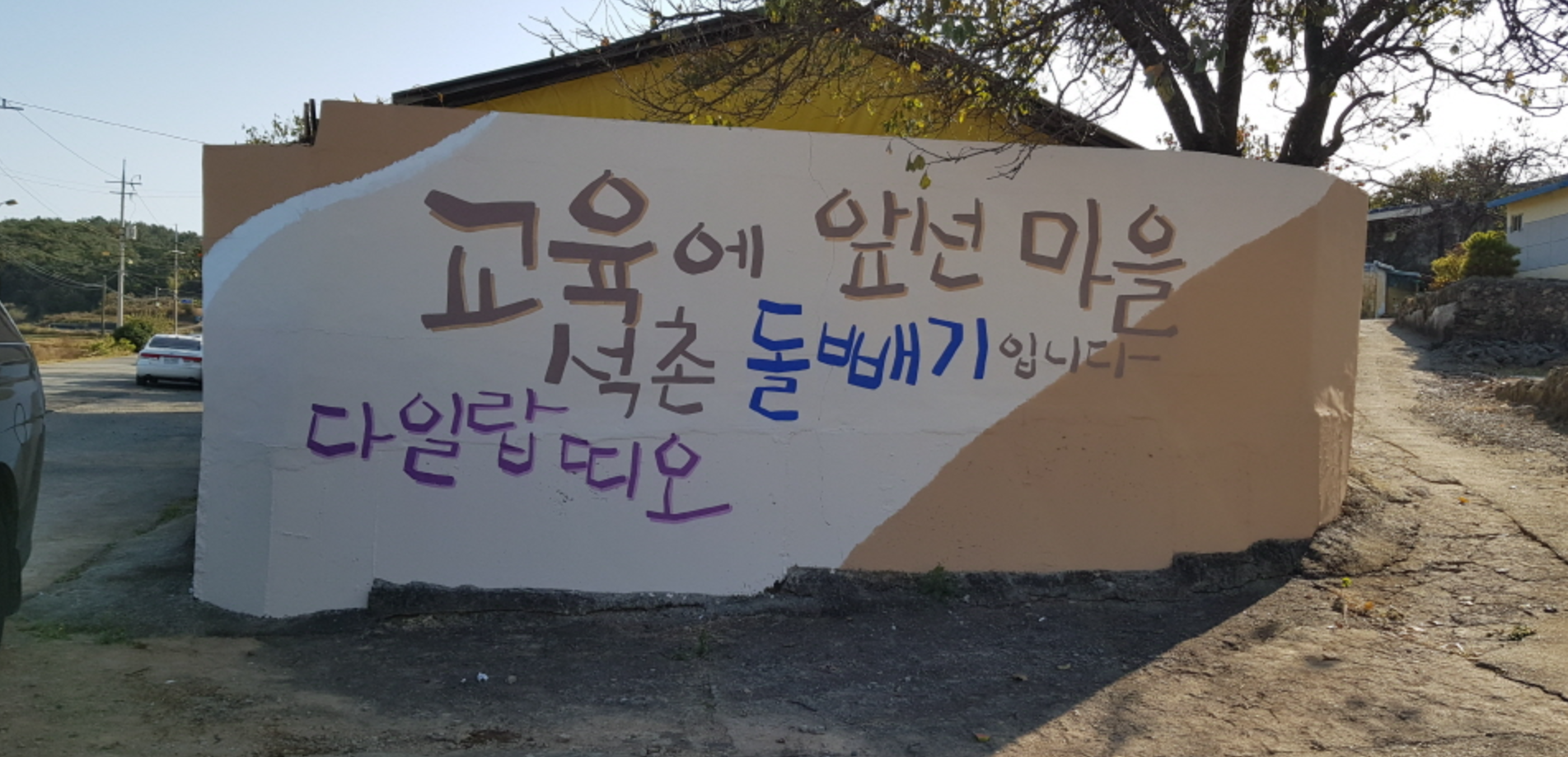
이번 공동체 활동의 또 하나의 중심은 ‘말’이었다. “다일라”, “다일라띠요”와 같은 석촌의 옛말 속에는 서로를 존중하는 생활 문화가 담겨 있었다. 어르신들이 무심코 써오던 말 속에서 공동체의 품격과 존엄을 발견한 것이다. 주민들은 말이 곧 사람의 역사임을 새삼 깨닫게 됐다.
석촌문화공동체는 2025년 주민역량 강화 교육, 선진지 견학, 성과 공유와 주민 화합 행사를 통해 마을의 힘을 다시 다졌다. 풀을 베고, 청소를 하고, 음식을 나누며 함께 웃었던 시간들은 공동체가 무엇으로 만들어지는지를 보여주었다.
늦가을이면 고흥 전역의 까치 수백 마리가 석촌 구석몰 대밭으로 모여든다. 먹이가 풍부하고 겨울을 나기 안전한 이곳은 자연이 먼저 선택한 따뜻한 터전이다. 사람과 자연이 오랜 시간 공존해 온 석촌의 풍경이다.
12월 15일, 석촌문화공동체는 고흥군 사회적경제·마을공동체 한마당에 참여해 전시와 공연, 표창 수상으로 그 활동을 공식적으로 알렸다. 마을의 1년이 군민 앞에 기록되는 자리였다.
무엇보다 큰 변화는 ‘자치’였다. 석촌마을은 자치규약을 통과시키고 자치위원회를 출범시켜, 마을의 일을 주민의 논의와 기록, 공개를 통해 운영하는 체제로 전환했다. 마을의 주인이 누구인지를 스스로 확인한 순간이었다.
석촌은 과거를 자랑하는 마을이 아니다. 말을 되살리고, 돌을 다시 읽고, 사람을 중심에 놓으며 스스로의 미래를 만들어 가는 마을이다. 그리고 “다일라”는 지금도 서로를 부르는 가장 따뜻한 말로 남아 있다.
●스스로 "나"를 사랑하고, 우리말과 역사를 사랑하는 모든 사람들에게 전달해 주십시오.
위 내용은 인터넷 주소창과 카톡에 아래와 같이 바로 입력하여 볼 수 있습니다.
www.다일라.한국/49
www.다일라.한국/2 ☆ 다 깨어 일어나라!!! 다일라!!! ☆ --대한민국 새로운 구호 제창
☆ 다 깨어 일어나라!!! 다일라!!! ☆ --대한민국 새로운 구호 제창
대한민국 새로운 구호 제창 다일라!!! 다 깨어 일어나라! 화이팅은 “투지(鬪志)”“전의(戰意)”를 뜻하는 영미권의 “파이팅 스피리트” (Fighting Spirit)를 사용하면서 생겨났다는 설(說)과 일본
www.xn--2j1b40gc5q.xn--3e0b707e
Kim Seok-Hoon
Korean Etymology Researcher
Editor of Our Korean–Sanskrit Etymological Dictionary
Genealogical & Historical Lineage Researcher
Compiler of the scroll The Genealogical History of Humanity from the Heavenly Emperor Hwan-State and Joseon
Words, Stones, and People
Seokchon, Goheung — Rediscovering a Village Through the “Da·illa Cultural Community”
In 2025, Seokchon Village in Gwaryeok-myeon, Goheung County, compiled a year of community activities into a small booklet titled Words, Stones, and People. More than a promotional publication, the booklet is a record of how the village revisited its own history, language, and people over the course of a year.
The story of Seokchon reaches far beyond living memory. The Goheung region lies at the heart of one of Korea’s largest dinosaur fossil belts, stretching from Bibong to Sado, Nangdo, and Gwaryeok. Around 260 million years ago, dinosaurs laid their eggs and raised their young here. Seokchon stands at the center of this ancient life zone. It is not merely a place where footprints remain, but a land where life once truly settled.
The village’s old name was “Dolbaegi,” meaning “the place with the great stone.” That stone turned out to be a dolmen. Today, more than twenty dolmens remain in Seokchon, silent witnesses to a prehistoric community that understood the stars, the seasons, and the orientation of the land. In every sense, Seokchon is a village born from stone.
During the Joseon Dynasty, descendants of Kim Jun — a high-ranking state official who served as Minister of War and Yeongdonyeongbusa in the early 15th century — settled in the area after moving from nearby Gasan. Yet Seokchon’s history is not the story of a single family. During times of national crisis such as the Japanese invasions of Korea and the Manchu invasions, people from various family lines stood together to defend this land. Their choices became part of the village’s shared history.
Another key focus of the community project was language. Everyday expressions still used by elders in Seokchon — such as “Da·illa” and “Da·illattiyo” — revealed a culture of mutual respect embedded in speech. Residents rediscovered that language itself carries the dignity and spirit of a community.
Throughout 2025, the Da·illa Cultural Community organized capacity-building workshops, study visits to other villages, and community festivals. Villagers worked side by side — cutting grass, cleaning, preparing meals, and sharing laughter — rediscovering how a community is truly built.
In late autumn, hundreds of magpies from across Goheung gather in the bamboo groves of Seokchon. Rich in food and sheltered from winter winds, the area has long been recognized by nature as a warm and safe haven. It is a landscape shaped by the long coexistence of people and the natural world.
On December 15, Seokchon Cultural Community participated in the Goheung Social Economy and Village Community Festival, presenting exhibitions, performances, and receiving awards. It was a public moment when the village’s year-long efforts were officially recognized.
Perhaps the most significant change was the village’s move toward self-governance. With the adoption of new community bylaws and the establishment of a residents’ self-governing committee, Seokchon shifted toward managing village affairs through open discussion, documentation, and transparency. It was a moment when residents affirmed that they themselves are the true owners of the village.
Seokchon is not a village that merely boasts of its past. By reviving its words, rereading its stones, and placing people at the center, it is shaping its own future. And “Da·illa” remains, even now, the warmest way its people call to one another.
● Please share this with everyone who loves themselves,
loves the Korean language, and loves history.
You can view this text directly by entering the following address
into your web browser or KakaoTalk: