김석훈 | 우리말 뿌리연구가, 『우리말 범어사전』 편저자
| 역사계보 족보연구가, 『천제환국조선인류역사계보 』 두루마리 편
| '다일라 운동' 주창
나비 — 중심을 묶고 세상을 잇는 이름
■ ‘나비(nābi/납)’ 어원의 핵심 정리
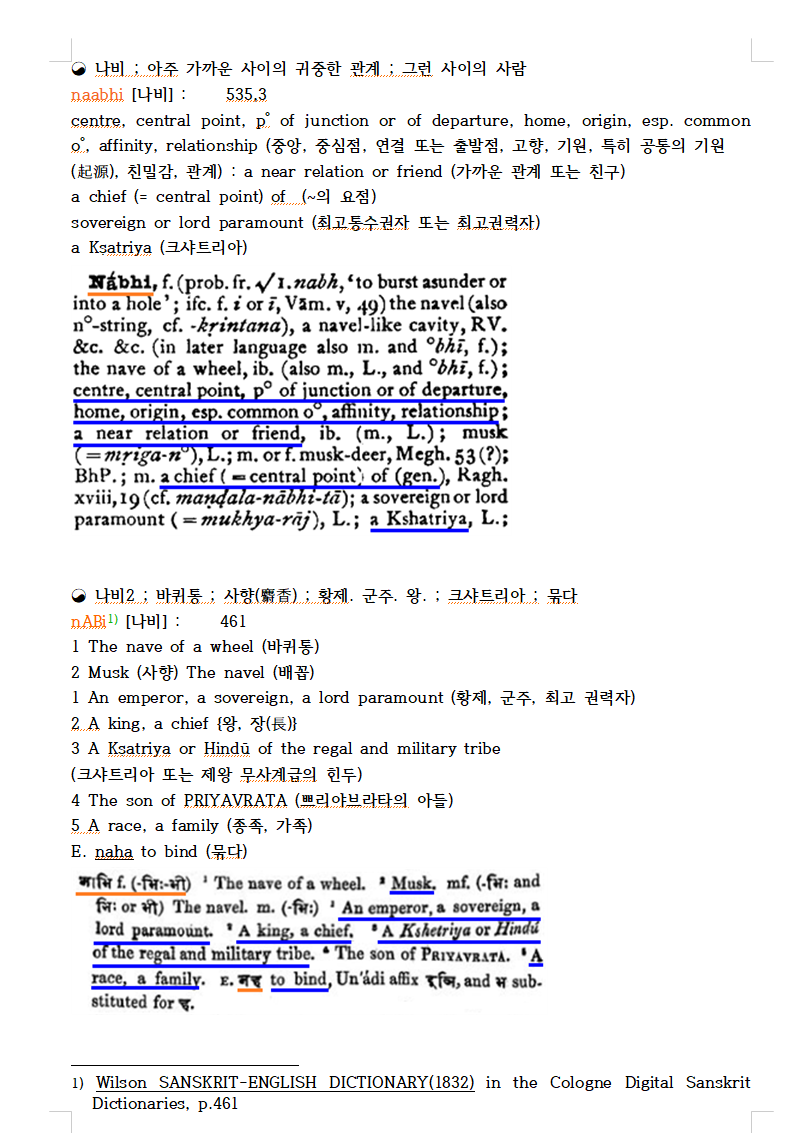
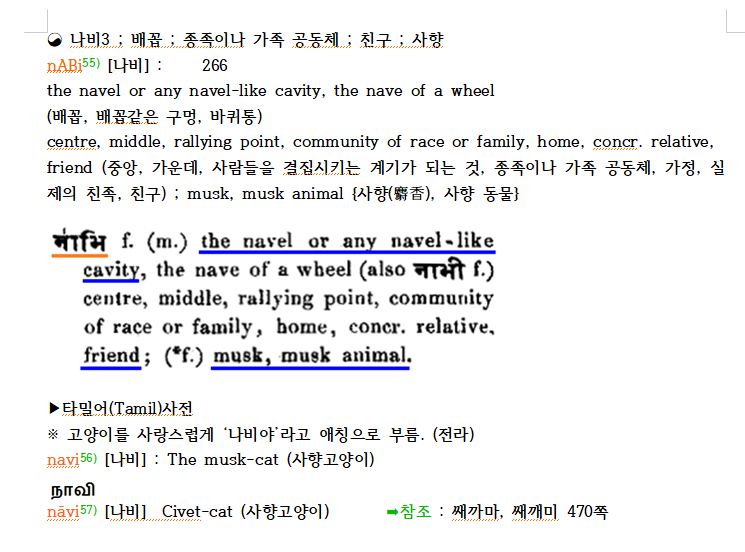
고대 인류의 언어에서 nABi(나비)는 다음과 같은 뜻을 가졌다.
- 바퀴의 중심축(바퀴통)
- 배꼽(생명의 중심)
- 사향 — 귀한 존재의 상징
- 황제·왕·군주·최고 권력자
- 크샤트리아(제왕·무사계급)
- 종족의 중심·가문의 근원
- **묶다(bind)**의 어근에서 나옴 → 사람과 세계를 결속하는 존재
그리고 조선의 옛 문헌에서
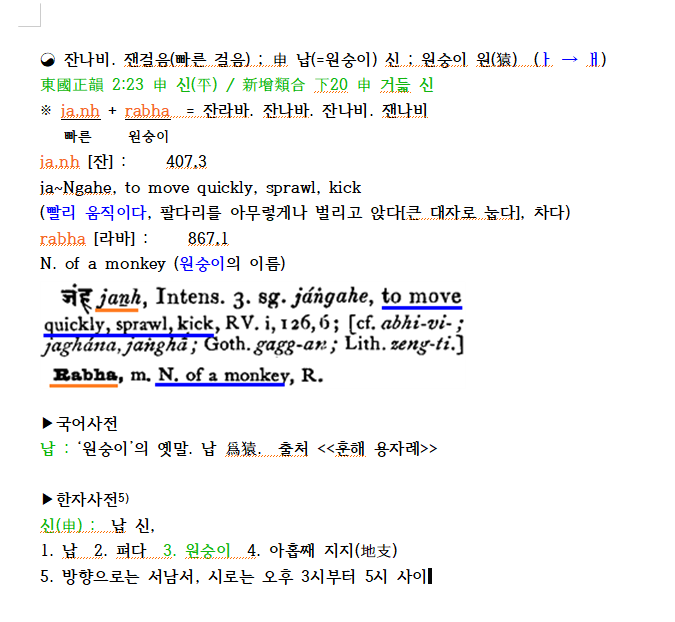
申(신) = 납 신 = 원숭이 신(猿)이라 했는데,
이 ‘납’ 역시 나비(nābi)와 같은 계열이다.
원숭이를 ‘잔나비’라 한 것도 같은 뿌리다.
즉,
나비 = 중심을 잡는 존재, 귀한 존재, 왕·군주, 영적 전령(猿),
그리고 가까운 사이의 귀중한 사람
이 모두 한 뿌리에서 나온 뜻이다.
이 어원만 이해하면,
나비(나비/butterfly), 고양이(나비), 잔나비(원숭이), “납시오(왕이 오신다)”가
왜 같은 계열에서 이해되는지 흐름이 명확해진다.
■ 나비 — 중심을 묶고 세상을 잇는 이름
사람들은 오래전부터 ‘나비’라는 말을 가볍게 쓰지 않았다.
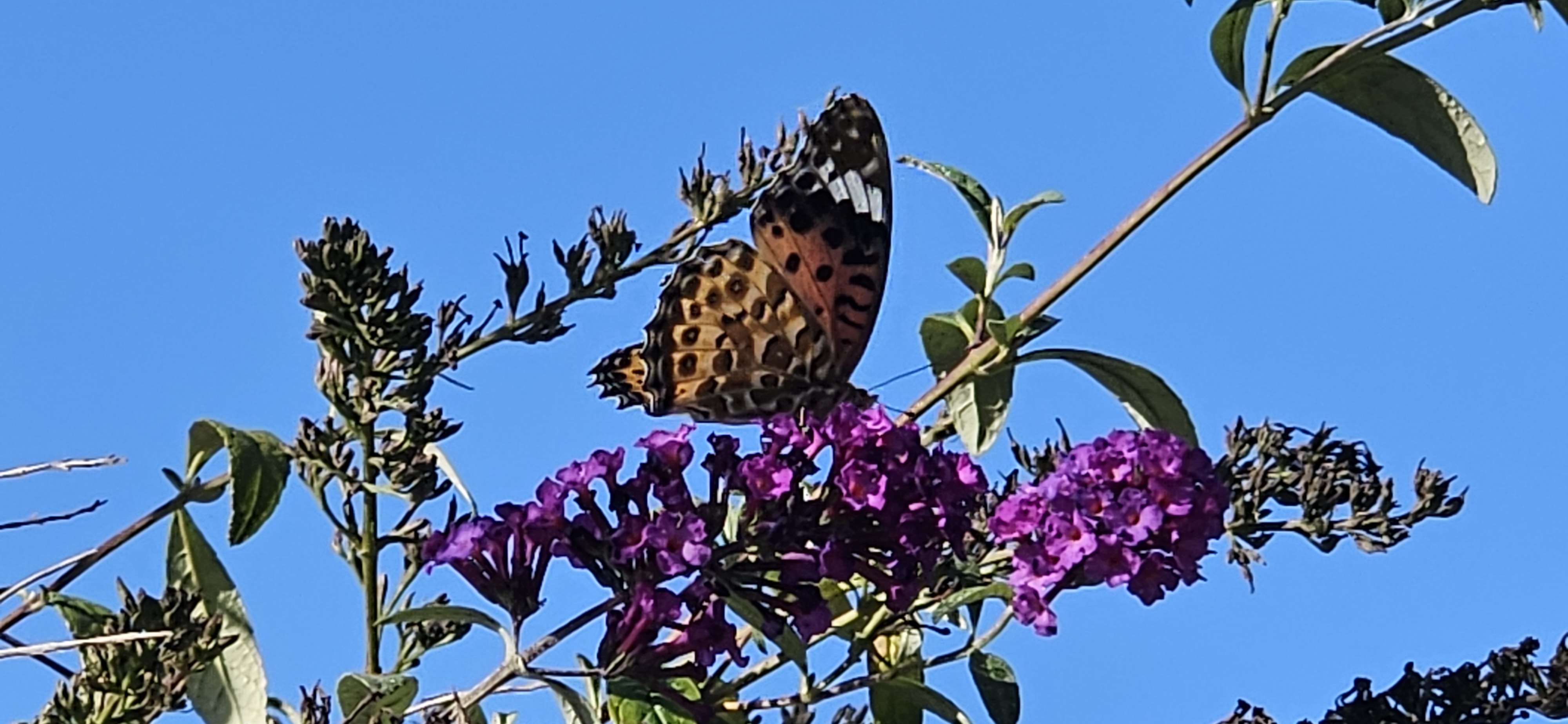
나비는 단순한 곤충의 이름이 아니었고,
무심코 고양이를 부르는 애칭만도 아니었다.
그 말에는 세상의 중심을 잡아주고, 생명을 이어주고,
사람과 사람을 묶어주는 힘이 담겨 있었다.
아주 먼 옛날, 인류 여러 지역에서는
바퀴의 중심을 nabi(나비)라고 불렀다.
바퀴는 빠르게 돌지만,
그 회전의 안정은 항상 중심축이 잡아준다.
그래서 사람들은 세상의 질서 또한 누군가 중심을 잡아주는 존재가 필요하다고 여겼고,
그 존재를 나비라 불렀다.
나비는 배꼽이기도 했다.
배꼽은 생명이 어머니와 연결되던 자리,
피와 숨이 이어지던 곳이다.
그러니 배꼽은 가족과 종족의 ‘중심’이었고,
왕족·군주·무사계급을 뜻하는 말도 자연히 나비로 확장되었다.
고대 왕은 단순한 통치자가 아니었다.
세상을 흩어짐 없이 묶어주는 자,
사람과 사람, 땅과 하늘을 잇는 존재였다.
그래서 왕은 ‘나비’였고,
지금도 “주상전하 납시오”라는 말 속에
“중심이 오신다, 질서가 들어온다”는 깊은 뜻이 숨어 있다.
시간이 흐르자 나비의 의미는 더 넓어졌다.
원숭이를 ‘잔나비’라 한 것도 같은 계열이다.
원숭이는 빠르게 산을 오르내리며
신과 인간 사이를 전달하는 영적 사자로 여겨졌다.
조선 문헌은 申을 ‘납 신’, 즉 원숭이 신이라고까지 했다.
이 역시 나비의 본래 의미 ―
움직임의 중심, 영적 연결자 ― 를 그대로 이어받은 것이다.
흥미롭게도 사람들은 사랑하는 이를 부를 때도
“내 나비야”라고 나직이 부르곤 했다.
왜일까?
그 사람은 내 삶의 중심에 있는 존재였고,
떨어져 있어도 마음을 묶어주는
가장 귀중한 사람이었기 때문이다.
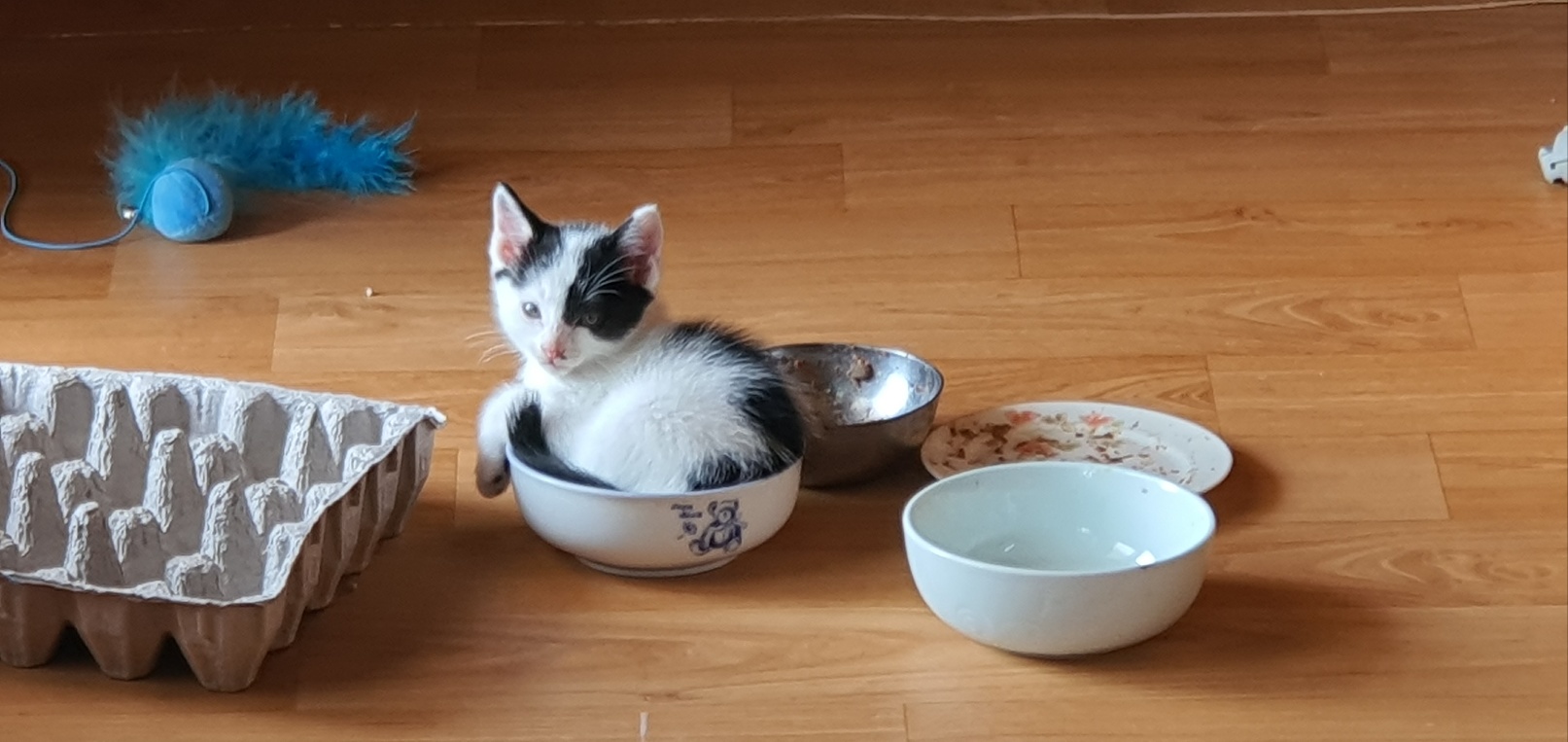
고양이를 ‘나비’라 부르는 것도 같은 이유다.
고양이는 가장 성가신 존재인 쥐를 잡아주고,
집의 기운을 지키는 영물로 여겨졌고,
사랑스럽고 귀한 존재였으며,
말없이 곁을 지켜주는 마음의 중심 같은 존재였다.
결국 나비는
하나의 뜻으로 가둘 수 없는 말이다.
그러나 모든 의미는 한 점으로 모여든다.
바퀴의 중심, 생명의 중심, 가문의 중심,
사람과 사람을 이어주는 마음의 중심.
나비는 중심을 잡고, 세상을 묶고,
귀한 관계를 이어주는 존재를 말한다.
그 중심이 때로는 왕이 되고,
때로는 신의 사자가 되고,
때로는 사랑스러운 고양이가 되고,
때로는 우리 곁을 지켜주는 가장 소중한 사람이 된다.
그래서 우리가 오늘 “나비”라고 부를 때,
그 속에는 오래된 언어의 기억과
따뜻한 사랑의 울림이 함께 살아 숨 쉰다.
●스스로 "나"를 사랑하고, 우리말과 역사를 사랑하는 모든 사람들에게 전달해 주십시오.
위 내용은 인터넷 주소창과 카톡에 아래와 같이 바로 입력하여 볼 수 있습니다.
www.다일라.한국/44
www.다일라.한국/2 ☆ 다 깨어 일어나라!!! 다일라!!! ☆ --대한민국 새로운 구호 제창
☆ 다 깨어 일어나라!!! 다일라!!! ☆ --대한민국 새로운 구호 제창
대한민국 새로운 구호 제창 다일라!!! 다 깨어 일어나라! 화이팅은 “투지(鬪志)”“전의(戰意)”를 뜻하는 영미권의 “파이팅 스피리트” (Fighting Spirit)를 사용하면서 생겨났다는 설(說)과 일본
www.xn--2j1b40gc5q.xn--3e0b707e
★ Nabi — The Name That Binds the Center and Connects the World
Kim Seokhoon | Researcher of Korean Etymology, Compiler of The Korean–Sanskrit Dictionary
Genealogical Historian, Editor of The Celestial Korean Genealogy Scroll
■ The Core Meaning of Nabi (nābi / nap)
Across ancient languages, the word nABi (nābi) carried several profound meanings:
- the hub of a wheel,
- the navel — the center of life,
- musk — a symbol of rarity and sacredness,
- an emperor, king, or sovereign ruler,
- a Kṣatriya, the regal and warrior caste,
- the root of a clan or lineage,
- and from the root meaning “to bind”,
a being who connects and holds the world together.
Old Korean texts also state:
- 申 (sin) was read as nap, meaning the Monkey Spirit,
- and “monkey” (jannabi) shares the same linguistic root.
Thus:
Nabi = the one who holds the center — a precious being, a king, a spiritual messenger (猿), and even the beloved person closest to one’s heart.
With this shared origin, it becomes clear why
nabi (butterfly),
nabi (cat),
jansnabi (monkey), and
“napsio!” (the king is coming)
all belong to the same semantic family.
──────────────────────────
■ Nabi — The Name That Binds the Center of the World
For countless generations, people did not use the word nabi lightly.
It was never merely the name of a butterfly,
nor a casual nickname for a house cat.
Within this word lay the power to hold the center of the world,
to continue life,
and to bind human beings to one another.
Long ago, in many ancient cultures,
the center of a wheel was called nabi.
A wheel spins swiftly,
yet its movement is stable only because of its central hub.
People understood the world in the same way:
for the universe to remain in harmony,
there must be a being who holds its center.
That being was called nabi.
Nabi also meant the navel.
The navel is where a child was once connected to its mother—
the place where breath, blood, and lineage flowed.
Thus, the navel became the symbolic center of a family and a clan,
and the word naturally expanded to mean a ruler,
a sovereign,
a person at the heart of a people.
A king in ancient times was not merely a ruler.
He was the one who prevented the world from scattering,
the one who bound heaven and earth,
and held the people together.
Therefore the king was nabi.
Even today, the historical cry:
“Jusangjeon-ha napsio!” — “The King approaches!”
contains the deeper meaning:
“The center arrives.
Order enters the world.”
As time passed, the meaning of nabi expanded.
The monkey—jannabi—shares the same root.
Monkeys were seen as agile messengers
who moved between the human and the divine,
traversing mountains swiftly as spiritual envoys.
Korean documents even describe 申 as nap-sin, the “Monkey Spirit.”
This too reflects nabi’s original meaning:
the moving center, the spiritual connector.
Curiously, Koreans also used to call a deeply beloved person:
“My nabi.”
Why?
Because that person was the center of one’s life—
the one who held the heart together
even when physically apart.
Koreans call cats nabi for the same reason.
Cats hunted the most troublesome intruder, the mouse,
protected the spirit of the home,
and lived beside humans as gentle, precious companions—
quiet keepers of the household’s emotional center.
In the end, nabi cannot be confined to a single meaning.
Yet every meaning returns to one point:
the center of motion, the center of life,
the center of lineage,
and the center of the human heart.
Nabi is the one who holds the center,
binds what may scatter,
and preserves what is precious.
This center may appear as a king,
as a spiritual messenger,
as a graceful cat,
or as the person dearest to our hearts.
So today, when we whisper the word “nabi,”
we are speaking a word that carries
ancient memory,
deep affection,
and the warm echo of human connection.
──────────────────────────
● Share this with all who love themselves,
our language, and our history.
You can view this text directly by entering the link below in any browser or in KakaoTalk: