김석훈 | 우리말 뿌리연구가, 『우리말 범어사전』 편저자
| 역사계보 족보연구가, 『천제환국조선인류역사계보 』 두루마리 편
| '다일라 운동' 주창
■ 깨(까티)·친구(사키)·몸(케테나)의 깊은 뿌리 — 동이 언어가 가진 하나의 원형 세계
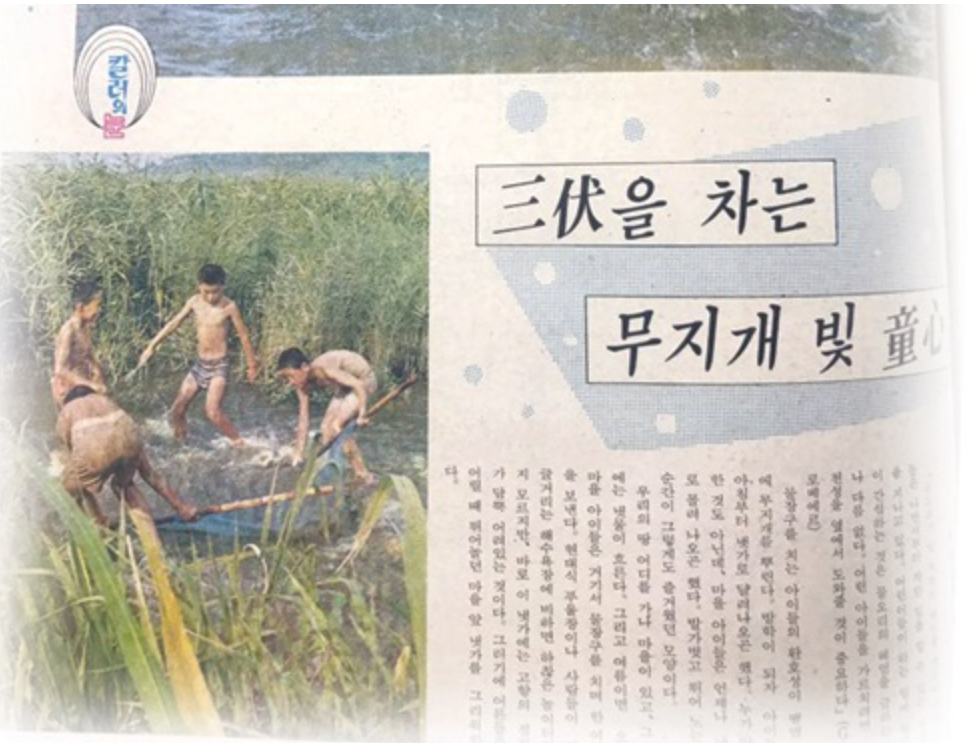
1. 깨 / 깨벗다 / 깨댕이 — ‘까티 kati’에서 비롯된 어린 벗의 기억
전라도 사투리 깨, 깨벗다, 깨닥벗다, 깨복쟁이, 깨봇쟁이, 깨댕이.
충청도 사투리 "까티기·깍티기 벗기자"는
“배꼽과 엉덩이까지 드러낸 벌거숭이”의 상태를 나타낸다.
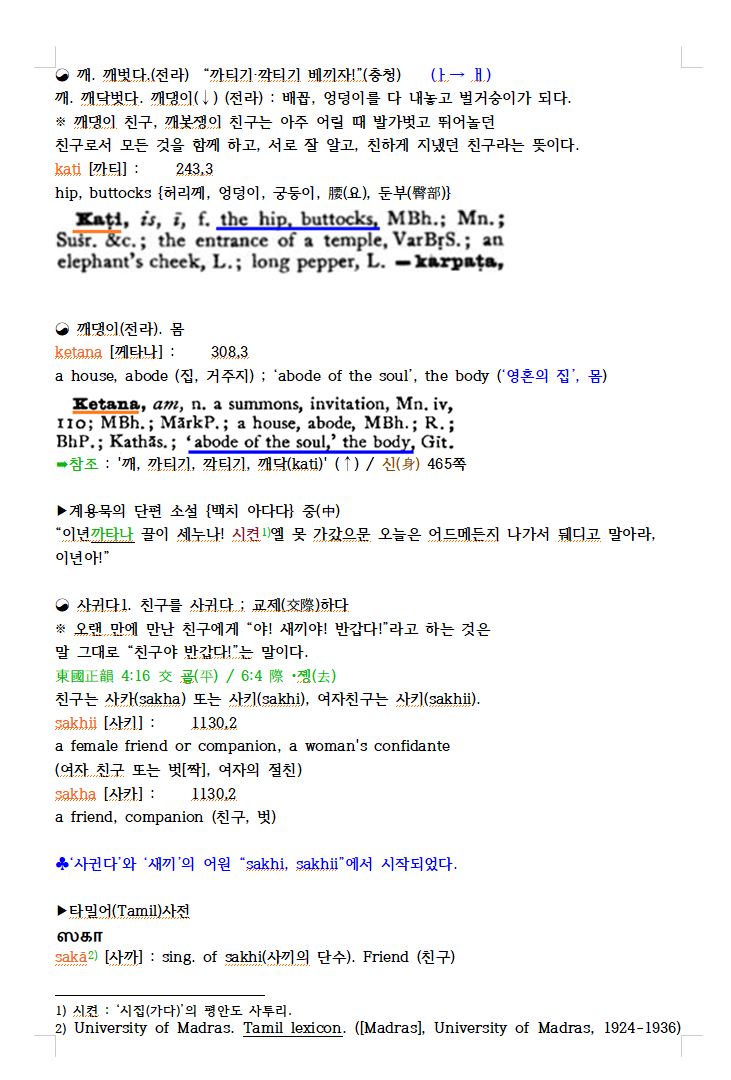
이 표현의 뿌리는 범어 kati(까티)—“허리·엉덩이”에 해당하는 말과 자연스럽게 이어진다.
- kati → 까티 → 깨티 → 깨
(ㅏ → ㅐ로 변한 방언적 음운 변화)
이 흐름 속에서 깨댕이 친구, 깨봇쟁이 친구란,
어릴 때 아무 부끄러움 없이 발가벗고 뛰놀며
몸(깨)을 함께 드러냈던, 삶의 가장 깊은 벗을 뜻한다.
즉 깨(몸의 중심부)는 단순한 신체 일부가 아니라
어릴 적 우정의 원초적 풍경을 품은 말이다.
2. 사귀다·샤끼·새끼 — ‘사카/사키’에서 온 친구의 이름
범어 sakha(사카)와 sakhii(사키)는 모두 “친구, 벗”을 뜻한다.
이 말이 한국어에서 다음과 같은 음운 흐름을 거쳤다.
- 사카·사키(벗)
- 사키-다 → 사키다(친구로 삼다) → 사귀다
- 모음 변화(ㅏ→ㅐ) → 새끼
결과적으로 “야~~~ 새끼야!”는 욕설이 아니라 “야~~~ 친구야!”라는 가장 친근한 호칭의 흔적이다.
전남 지역에서는 지금도 명절이나 휴가에 고향 친구가 돌아오면,
논두렁이나 버스 정류장, 마을 어귀에서 자연스레 이렇게 외친다.
“야~~~~~ 새끼야! 반갑다!”
라고 외친다.
즉 ‘깨’는 단순한 신체 부위가 아니라,
웃음과 맨살의 온기, 숨결까지 맞붙이며 뛰놀던
원초적 우정의 풍경을 품고 있는 말이다.
말의 표면은 거칠어 보여도, 그 속은 따뜻하고 다정한 벗의 이름이다.
3. 우정의 확장 계열 사귀다— sakhitaa, sakhitva, sakhya…
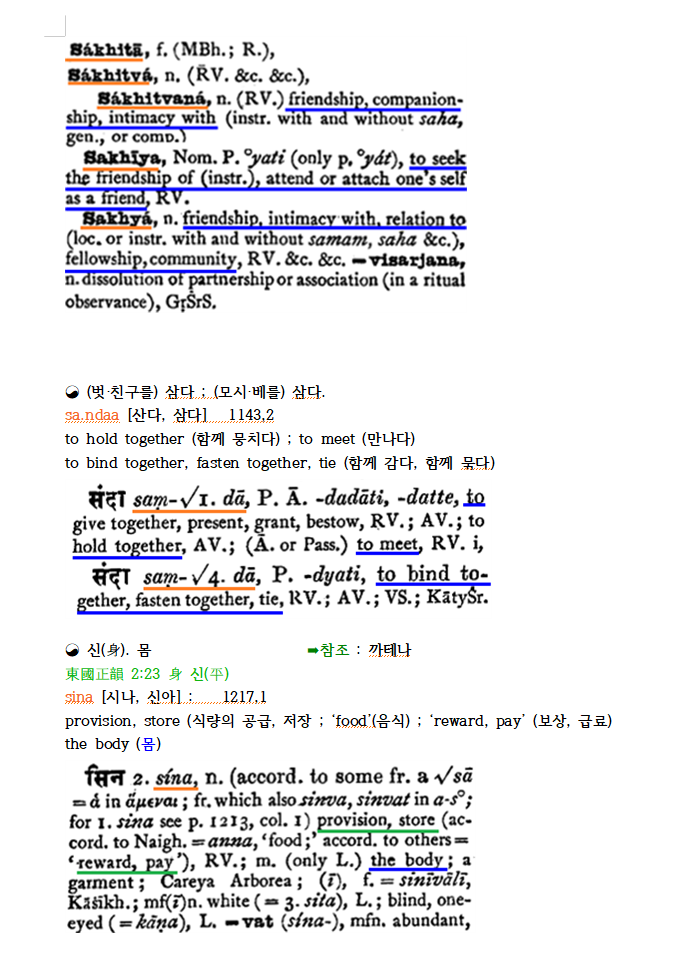
범어에서는 “사카/사키”를 중심으로 우정을 표현하는 단어군이 넓게 발달했다.
- sakhitaa — 우정, 동지애
- sakhitva / sakhitvana — 친밀함, 공동체감
- sakhibhaava — 벗의 마음
- sakhya — 유대감, 관계
- sakhila — 다정함, 친숙함
- sakhiiya — 우정을 구하고 이어가는 마음
이 풍부한 파생군은
한국어 사귀다·샤끼·새끼가 모두
사카/사키라는 동일한 뿌리에서 나왔다는 사실을 더욱 명확히 보여준다.
4. 삼다(sa.ndaa) — 친구를 삼다, 베를 삼다: ‘묶음’의 한 원리
범어 sa.ndaa(삼다)는
“함께 뭉치다, 묶다, 만나다”의 의미를 지닌다.
동이 언어권에서는
- 사람과 사람을 묶어 하나로 만드는 행위(우정)
- 실을 꼬아 하나의 직물을 만드는 행위(직조)
이 두 행위를 동일한 원리—‘묶음·결속’으로 이해했다.
그래서
- 친구를 삼다,
- 모시·베를 삼다(짜다)
이는 동이족이 세상을 바라보는 방식—
즉 “세계는 서로를 묶고 이어 하나를 이루는 과정이다”라는 사고를 보여준다.
벗을 사귀는 일도 직물을 짜는 일처럼
수많은 실(사람)들이 얽히고 만나
하나의 결(공동체)을 이루어 가는 과정이었다.
5. 깨댕이 ↔ 몸(신) ↔ 케테나 — ‘몸은 영혼의 집’이라는 원형적 사고
● sina(시나) 身
몸, 생명을 유지하는 것
● ketana(께타나)
집, 거처
‘영혼의 집’—즉 몸
전라도의 깨댕이(몸)는
범어 ketana(영혼의 집)와 의미상 정확히 이어진다.
깨(=kati의 변형)와 케테나(ketana)의 어원적 연결은,
한국 방언 속에 “몸=영혼이 깃든 집”이라는 고대적 인식이 살아 있음을 보여준다.
계용묵의 소설 『백치 아다다』의 평안도 방언
“이년 까타나 끌이 세누나!”도
바로 이 ketana → 까타나의 흔적이다.
■ 정리 — 하나의 원리로 이어지는 동이족 언어의 원형 의미망
● kati → 깨 → 깨벗다 → 깨댕이
→ 벌거벗고 함께 뛰놀던 어린 벗의 세계
→ 몸(신), 그리고 영혼의 집(케테나)로 연결됨
● sakha/sakhi → 사키다 → 샤끼 → 새끼
→ 벗·친구를 부르는 가장 오래된 호칭
→ “새끼야!”는 본래 “친구야!”라는 친근한 부름
● sa.ndaa(삼다)
→ 친구를 삼다, 베를 삼다
→ 둘 다 ‘묶고 이어 하나를 만드는 행위’
→ 동이족만의 독특한 언어·문화 구조
■ 깨(몸의 근원) — 친구(우정의 근원) — 케테나(영혼의 근원)
이 세 갈래는 사실 서로 떨어진 것이 아니라
모두 하나의 뿌리, 하나의 사고 체계에서 나왔다.
그것이 바로
동이족 언어가 지닌 원형적 의미망(semantic network)이며,
우리말 속에 지금도 살아 있는
아주 오래된 문화·정신의 흔적이다.

●스스로 "나"를 사랑하고, 우리말과 역사를 사랑하는 모든 사람들에게 전달해 주십시오.
위 내용은 인터넷 주소창과 카톡에 아래와 같이 바로 입력하여 볼 수 있습니다.
www.다일라.한국/41
www.다일라.한국/2 ☆ 다 깨어 일어나라!!! 다일라!!! ☆ --대한민국 새로운 구호 제창
☆ 다 깨어 일어나라!!! 다일라!!! ☆ --대한민국 새로운 구호 제창
대한민국 새로운 구호 제창 다일라!!! 다 깨어 일어나라! 화이팅은 “투지(鬪志)”“전의(戰意)”를 뜻하는 영미권의 “파이팅 스피리트” (Fighting Spirit)를 사용하면서 생겨났다는 설(說)과 일본
www.xn--2j1b40gc5q.xn--3e0b707e
■ Kkae (kati) · Friend (sakha/sakhii) · Body (ketana) —
The Deep Root of a Single Archetypal World in the Dongyi Language
1. Kkae / Kkae-beotda / Kkae-daengi — Childhood Memories Rooted in kati
Jeolla-dialect words such as kkae, kkae-beotda, kkae-dak-beotda, kkae-bokjaengi, kkae-botjaengi, kkae-daengi,
and the Chungcheong expression “kkatigi · kkaktigi beotgija”
all describe the state of a child “bare from the navel to the buttocks.”
The root of these expressions connects naturally to the Sanskrit kati, meaning “waist, hips.”
kati → katti → kkaeti → kkae
(a dialectal vowel shift from ㅏ a → ㅐ ae)
Within this linguistic flow, expressions such as kkae-daengi chingu and kkae-botjaengi chingu
refer to the deepest kind of childhood friend—
one with whom you ran around naked without shame,
showing your body (kkae) freely to each other.
Thus kkae (the body’s center) is not merely a physical part,
but a word that carries the primal landscape of childhood friendship.
2. Sagwida · Syakki · Saekki — A Friend’s Name Derived from sakha/sakhii
The Sanskrit sakha and sakhii both mean “friend, companion.”
In Korean, these forms underwent the following linguistic development:
- sakha / sakhi (friend)
- saki-da → sakida (“to make someone a friend”)
- vowel change (ㅏ → ㅐ) → saekki
As a result, the phrase “Ya, saekkiya!” is not originally an insult but a remnant of
“Hey, friend!”—the most intimate form of address.
Even today in Jeolla Province, when a hometown friend returns for holidays or vacation,
people naturally shout across rice paddies, bus stops, and village roads:
“Yaaaaa, saekkiya! Good to see you!”
Thus kkae is not merely a body part;
it contains within it the raw scene of childhood friendships—
shared laughter, the warmth of bare skin, and breath mingled during play.
The word may sound rough on the surface,
but at its core it is warm and affectionate.
**3. The Expanded Line of Friendship —
sakhitaa, sakhitva, sakhya… Emerging from sakha/sakhii**
In Sanskrit, a wide family of words developed around sakha/sakhii to describe friendship:
- sakhitaa — friendship, comradeship
- sakhitva / sakhitvana — intimacy, sense of community
- sakhibhaava — the heart/mind of a companion
- sakhya — bonding, relationship
- sakhila — affection, familiarity
- sakhiiya — the desire to seek and sustain friendship
This rich derivative family makes it even clearer that
the Korean sagwida, syakki, saekki all come from the same root, sakha/sakhii.
**4. Samda (sa.ndaa) — Making a Friend and Making Cloth: One Principle of Binding
The Sanskrit sa.ndaa means
“to gather together, to bind, to meet.”
In the Dongyi linguistic world:
- the act of binding people together as one (friendship), and
- the act of twisting threads into a single fabric (weaving)
were understood through the same principle of binding and connection.
Thus:
- to make a friend (chingu-reul samda)
- to make cloth such as ramie or hemp (mosi/bae-reul samda = to weave)
are expressed using the same verb.
This reveals the Dongyi way of viewing the world—
the idea that “the world is formed by binding and joining things into one.”
Forming a friendship, like weaving cloth,
involves countless strands (people) meeting and intertwining
to create a single texture—a community.
**5. Kkae-daengi ↔ Body (sin) ↔ Ketana —
The Archetypal Thought That “The Body Is the House of the Soul”**
● sina (sin) 身
— the body; that which sustains life
● ketana
— house, dwelling
— the “house of the soul,” i.e., the body itself
The Jeolla word kkae-daengi (body) corresponds exactly in meaning to the Sanskrit ketana.
The etymological link between kkae (= a derivative of kati) and ketana
shows that the ancient view
“the body is the dwelling place of the soul”
is still alive in Korean dialects.
The Pyeongan dialect line in the novel Adada the Idiot—
“Inyeon kattana kkeuri saenuna!”
is likewise a direct remnant of ketana → kattana.
■ Summary —
The Archetypal Semantic Network of the Dongyi People
● kati → kkae → kkae-beotda → kkae-daengi
→ the world of children running naked together
→ connected to the body (sin) and the house of the soul (ketana)
● sakha/sakhii → sakida → syakki → saekki
→ one of the oldest ways to call a friend
→ “saekkiya!” originally meant “my friend!”
● sa.ndaa (samda)
→ to make a friend, to make cloth
→ both acts of binding and joining into one
→ a unique linguistic and cultural structure of the Dongyi people
Body (source of life) — Friend (source of affection) — Ketana (source of spirit)
These three strands are not separate.
They all spring from a single root, a single cognitive framework.
This is the archetypal semantic network of the Dongyi language
and an ancient cultural–spiritual trace
that still lives within the Korean language today.