김석훈 | 우리말 뿌리연구가, 『우리말 범어사전』 편저자
| 역사계보 족보연구가, 『천제환국조선인류역사계보 』 두루마리 편
| '다일라 운동' 주창
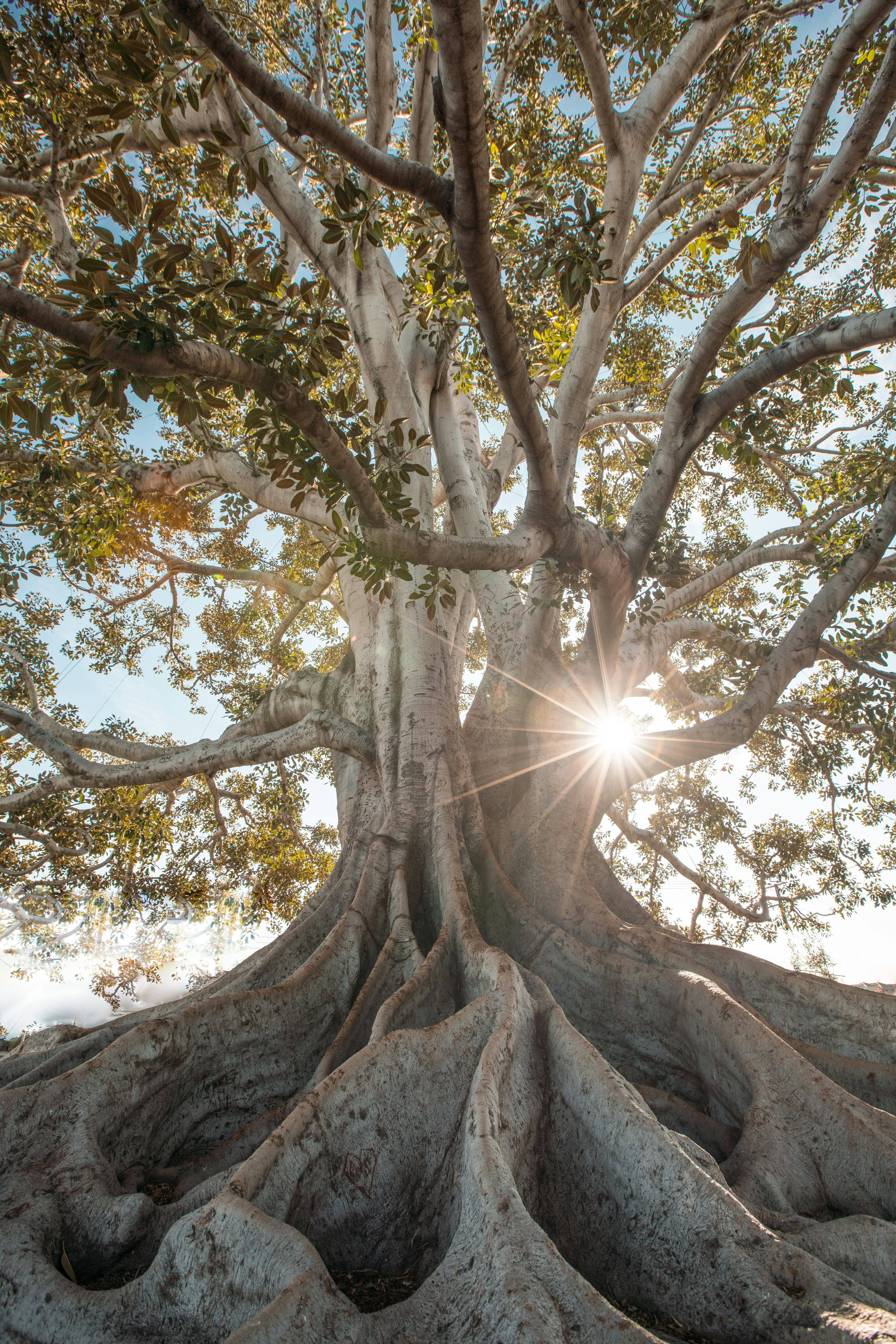
모튼 베이 피그(Moreton Bay Fig, 학명: Ficus macrophylla) : 미국 캘리포니아 Jeremy Bishop 촬영
■ ‘뿌리(불휘)’의 어원과 인간 존재의 근원
1. ‘뿌리/불휘’의 가장 오래된 뿌리 — vR̥ih, bR̥ih
우리말 뿌리(불휘)는 범어 vR̥ih / bR̥ih(브리ㅎ)에서 비롯된다.
이 단어는 크게 두 갈래 의미를 지닌다.
찢다, 뽑다, 뿌리째 들어올리다
크게 자라다, 두텁게 강해지다, 늘어나다, 번성하다
즉, 뿌리는 단순히 ‘지하 조직’이 아니라
생명을 붙들어 주고, 확장시키며, 존재를 키우는 바탕을 뜻하는 말이다.
이 감각이 그대로 신증유합와 훈몽자회에 ‘불휘 근’(根) · ‘불휘 해(荄)’로 이어졌다.
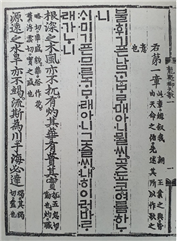
2. 용비어천가 제1장 — ‘뿌리가 깊어 흔들리지 않는다’의 원형
불·휘 기·픈 남·ᄀᆞᆫ ᄇᆞᄅᆞ·매 아·니 :뮐·ᄊᆡ ①
뿌리가 깊은 나무는 바람에 흔들리지 않는다.곶:됴·코 여·름 ·하ᄂᆞ·니
그래서 꽃이 좋고 열매도 풍성하다.
:ᄉᆡ·미 기·픈 ·므·른 ·ᄀᆞ마·래 아·니 그·츨·ᄊᆡ
샘이 깊은 물은 가뭄에도 마르지 않고
:내·히 이·러 바·ᄅᆞ·래 ·가ᄂᆞ·니 ②
개울을 이루어 바다로 흘러간다.
여기서 불휘(뿌리)는 단순 식물학적 조직이 아니라
흔들리지 않는 생명 구조, 번성의 근원, 세대와 세대의 연결을 상징한다.
3. 동아시아에서 ‘뿌리’는 곧 조상·생명·하늘의 근원
한국·동방 문화권에서 뿌리는 두 가지 층위로 이해된다.
1) 개인적 뿌리 — 부모와 조상
내가 지금 여기 존재하는 이유이자,
나의 정신·몸·문화가 이어져 온 생명의 출발점이다.
2) 궁극적 뿌리 — 하늘·한울·하나님
조상의 뿌리를 거슬러 올라가면 결국
질서와 생명을 허락한 큰 근원(큰나)에 닿는다.
옛사람들은 그것을
하늘, 한울님, 상제님, 하나님, 절대근원 등으로 불렀다.
3) ‘하나님’의 한민족적 해석 — 하나(한아/큰나)
‘하나’는 단순한 숫자가 아니라
한아(我) — 큰나(大我)개념과 연결된다.
작은 나(소아)가 큰나(대아, 우주적 존재)와 하나가 되는 상태,
즉 존재의 근원과 다시 연결되는 것을 상징한다.
4. 언어 속에서 드러난 생명의 뿌리 — 불휘알→불알, 부래기
‘불휘’는 인간의 생명 씨앗, 즉 근원적 생명력을 지칭하는 말로도 확장되었다.
● 불휘알 → 불알 ③
범어식 구조를 보면 *불휘알(뿌리알)*이 축약되어 불알로 남았다.
남성 생명 씨앗을 ‘불알’이라 한 것도
생명의 근원(씨), 뿌리, 원초적 힘을 가리키기 때문이다.
● 부래기(황소) 전남지역— 씨를 가진 존재
*영어 Bull (황소)는 우리말이자 범어인 불휘에서 나온 말이다.
*야구에서 불펜(bullpen)은 '소의 우리'라는 뜻으로 <구원투수 연습장>이다.
전남 지역에서 황소를 부래기라 하는데,
이 역시 불휘(뿌리·근원)를 지닌 존재라는 의미가 남아 있다.
생명을 잉태시키는 힘을 가진 동물이라는 인식이 고스란히 반영되어 있다.
5. 말의 뿌리는 곧 ‘살아 있음’의 증거
옛말에 “죽은 자는 말이 없다” 했다.
말을 한다는 것은 생명이 있다는 표시이고,
말 속에는 그 민족의 뿌리·생명관·세계관이 전부 스며 있다.
그 때문에 말의 뿌리를 찾는 일은
단순한 어원 연구가 아니라
생명·정신·역사·조상·우주적 근원을 찾는 일과 다르지 않다.
6. 족보 — ‘뿌리를 적어둔 문서’
각자 존재의 뿌리는 ‘나’이지만,
그 뿌리를 체계적으로 기록한 것이 바로 족보이다.
조상·가계의 흐름을 적어둔 문서는
단순 혈통 기록이 아니라
정신의 계보, 생명의 흐름, 하늘에서 이어진 근원성을 명문화한 것이다.
■ 종합
뿌리(불휘)는 범어 vR̥ih/bR̥ih에서 기원한,
‘뽑다·강해지다·번성하다’의 생명적 의미를 지닌 말이다.
용비어천가에서 뿌리는 흔들리지 않는 생명의 기반을 상징한다.
동아시아·한국 문화권에서는 뿌리를 부모·조상·하늘·절대근원과 동일시한다.
불휘알→불알, 부래기(황소) 등은 ‘생명 씨앗=뿌리’라는 사고를 반영한다.
말의 뿌리를 찾는 일은 곧 생명·정신·존재의 근원을 밝히는 일이다.
족보는 뿌리를 문서화한 정신의 기록이다.
<주> ① :뮐·ᄊᆡ
뮈다(扤:흔들릴 올) : mi (움직이다, 변화하다, 길을 잃다(迷路), 좌절하다)
◀ Sir Monier-williams, Monier A Sanskrit English Dictionary
818,2 ➡참조: 미(迷)
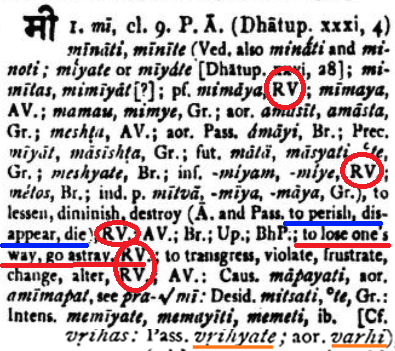
♣ 빨간원 안의 RV는 이 말이 3500년전 Rigveda(리그베다) 경전에 들어있는 말이다는 뜻이다.
<주> ② 용비어천가에 한 글자 한 글자 성조(聲調)가 표시되어 있다. (평성, 상성, 입성)
평성 점 없음 / 상성 : 점 두개 / 입성 · 점 하나<주> ③ 고환(睾丸), 囊 고환 낭, 腎 고환·콩팥·자지 신 , 脧 불알 최, 勢 고환·기세 세 → "거세(去勢)"
●스스로 "나"를 사랑하고, 우리말과 역사를 사랑하는 모든 사람들에게 전달해 주십시오.
위 내용은 인터넷 주소창과 카톡에 아래와 같이 바로 입력하여 볼 수 있습니다.
www.다일라.한국/40
www.다일라.한국/2 ☆ 다 깨어 일어나라!!! 다일라!!! ☆ --대한민국 새로운 구호 제창
☆ 다 깨어 일어나라!!! 다일라!!! ☆ --대한민국 새로운 구호 제창
대한민국 새로운 구호 제창 다일라!!! 다 깨어 일어나라! 화이팅은 “투지(鬪志)”“전의(戰意)”를 뜻하는 영미권의 “파이팅 스피리트” (Fighting Spirit)를 사용하면서 생겨났다는 설(說)과 일본
www.xn--2j1b40gc5q.xn--3e0b707e
The Etymology of 'Puri (Bulhwi)' and the Foundation of Human Existence
This text explores the etymology of the Korean word for 'root' and its connection to the ultimate origin of human existence, drawing parallels between language, nature, and spirituality.
1. The Oldest Root of 'Puri/Bulhwi' — vR̥ih, bR̥ih
The Korean word for root, 뿌리 (Puri) / 불휘 (Bulhwi), is derived from the Sanskrit terms vR̥ih / bR̥ih (pronounced 'brih').
This Sanskrit word primarily holds two main meanings:
- To tear, to pull out, or to lift up by the roots.
- To grow large, to become deeply strong, to expand, or to flourish.
Thus, the root is not merely an 'underground organ'. It signifies the foundation that sustains life, enables expansion, and fosters the growth of existence. This concept was accurately passed down in early Korean texts, where Bulhwi was used to denote 根 (Geun) (Root) and 荄 (Hae) (Root/Radicle).
2. Yongbieocheonga (Songs of the Dragons Flying to Heaven), Chapter 2 — The Original Form of 'Roots are Deep and Unshakeable'
The foundational poem of the Yongbieocheonga illustrates this concept:
불·휘 기·픈 남·ᄀᆞᆫ ᄇᆞᄅᆞ·매 아·니 :뮐·ᄊᆡ
A tree with deep roots (불휘) is not shaken by the wind.
곶:됴·코 여·름 ·하ᄂᆞ·니
Thus, its flowers are beautiful and its fruits are plentiful.
:ᄉᆡ·미 기·픈 ·므·른 ·ᄀᆞ마·래 아·니 그·츨·ᄊᆡ
Water from a deep spring does not cease even in a drought.
:내·히 이·러 바·ᄅᆞ·래 ·가ᄂᆞ·니
It forms a stream and flows to the sea.
In this context, 불휘 (Bulhwi / root) is more than a simple botanical structure. It symbolizes the unshakeable structure of life, the source of prosperity, and the connection between generations.
3. 'Root' in East Asia: Ancestors, Life, and the Heavenly Origin
In the Korean and East Asian cultural spheres, the 'root' is understood on two distinct levels:
- The Personal Root — Parents and Ancestors
- This is the reason for one's existence here and now.
- It is the starting point of the life from which one's spirit, body, and culture have flowed.
- The Ultimate Root — Heaven (Haneul) / Hanul / Hananim
- Tracing the ancestors' roots ultimately leads to the Great Source (Keun-na, or Great Self) that grants order and life.
- Ancient Koreans referred to this source as Haneul (Heaven), Hanulnim (Lord of Heaven), Sangjenim (Supreme Emperor), Hananim (God), or the Absolute Origin.
- The Korean Interpretation of 'Hananim' — Hana (Han-a / Keun-na)
- 'Hana' (하나) is not merely a number.
- It is linked to the concept of Han-a (我, Self) and Keun-na (大我, Great Self).
- It symbolizes the small self (So-a) becoming one with the Great Self (Dae-a, the cosmic existence), signifying a reconnection with the root of existence.
4. The Root of Life Revealed in Language — Bulhwi-al → Bul-al, Buraegi
The term Bulhwi was also extended to refer to the seed of human life—the fundamental life force.
- 불휘알 (Bulhwi-al) → 불알 (Bul-al)
- Following the Sanskrit structure, Bulhwi-al (root-seed/egg) was abbreviated to Bul-al (testicle).
- The male seed of life is called 'Bul-al' because it refers to the source (seed), root, and primal power of life.
- 부래기 (Buraegi) — Bull (Male Cow/Ox) in Jeonnam region
- The English word Bull is said to originate from the Korean/Sanskrit word Bulhwi (Root).
- The baseball term Bullpen (where relief pitchers warm up) means 'a pen for bulls' and signifies the relief pitcher's practice area.
- In the Jeonnam region, a bull is called Buraegi.
- This term retains the meaning of an existence possessing Bulhwi (root/source). It reflects the perception of the animal as having the power to conceive life.
5. The Root of Language is the Evidence of 'Being Alive'
There is an old saying, "The dead do not speak".
- To speak is a sign of life.
- Contained within language are the root, life philosophy, and worldview of the people.
- Therefore, the search for the root of language is not merely an etymological study. It is equivalent to seeking the source of life, spirit, history, ancestors, and cosmic origins.
6. Jokbo (Genealogy) — 'The Document Recording the Root'
While the root of each individual existence is the 'Self', the document that systematically records that root is the Jokbo (Genealogical Record). This document, which traces the flow of ancestors and lineage, is not just a record of bloodline. It is a documentation of the spiritual genealogy, the flow of life, and the originating nature that flows from heaven.
■ Summary
- Puri (Bulhwi) originates from the Sanskrit $vR̥ih / bR̥ih$, carrying the vital meanings of 'to pull out, to become strong, and to flourish'.
- In Yongbieocheonga, the root symbolizes the unshakeable foundation of life.
- In East Asian/Korean culture, the root is equated with parents, ancestors, Heaven, and the Absolute Origin.
- Terms like Bulhwi-al → Bul-al and Buraegi (bull) reflect the notion that the 'seed of life equals the root'.
- Searching for the root of language is equivalent to clarifying the source of life, spirit, and existence.
- Jokbo is a spiritual record that formalizes the root.