김석훈 | 우리말 뿌리연구가, 『우리말 범어사전』 편저자
| 역사계보 족보연구가, 『천제환국조선인류역사계보 』 두루마리 편
| '다일라 운동' 주창
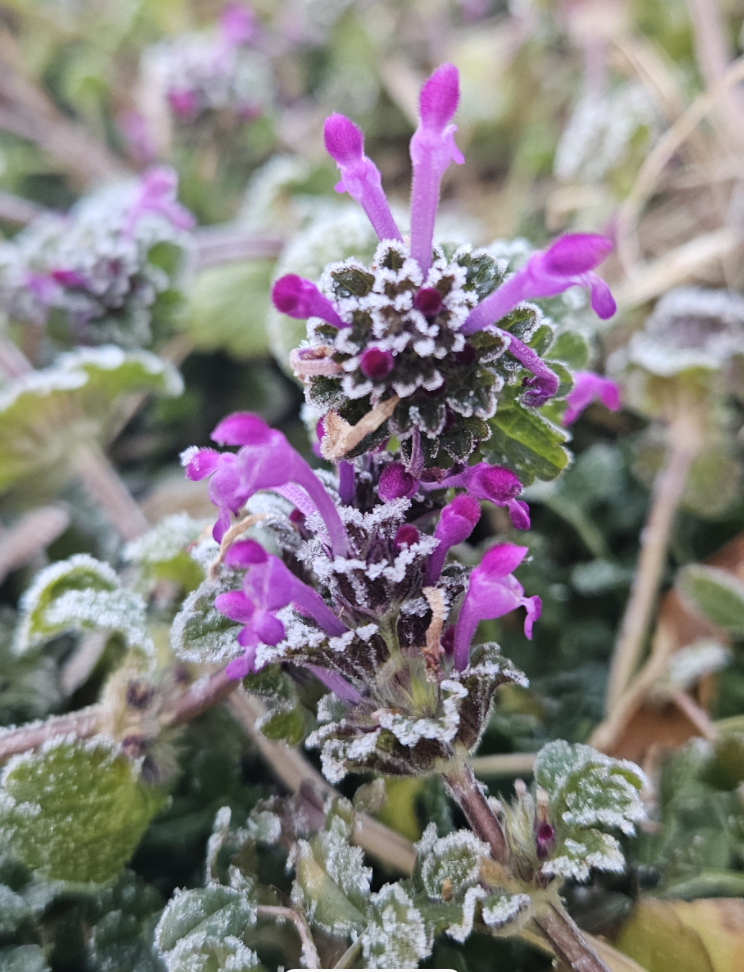
섣달 — 새해를 품고 서 있는 시간
― √sthā와 납월(臘月), 수태(受胎)로 읽는 우리말의 깊은 구조
우리는 흔히 섣달을 한 해의 마지막 달이라고 말한다.
그러나 이 말은 단순한 끝을 의미하지 않는다.
섣달은 끝이 아니라, 새해를 품고 서 있는 시간이다.
■ 섣달은 ‘섯달’ — 들어서는 시간
옛말로 섣달은 ‘섯달’이다.
이 ‘섯’은 단순한 수사가 아니라 ‘서다’, ‘들어서다’의 의미로 해석될 수 있다.
생명이 시작될 때 우리는 ‘아기가 들어섰다’고 말한다.
이는 곧 수태(受胎), 즉 생명이 내부에서 시작된 상태를 의미한다.
이러한 관점에서 섣달은
아직 드러나지 않았지만 이미 시작된 시간,
곧 새해가 잉태된 상태로 이해할 수 있다.
■ √sthā — 존재가 서는 자리
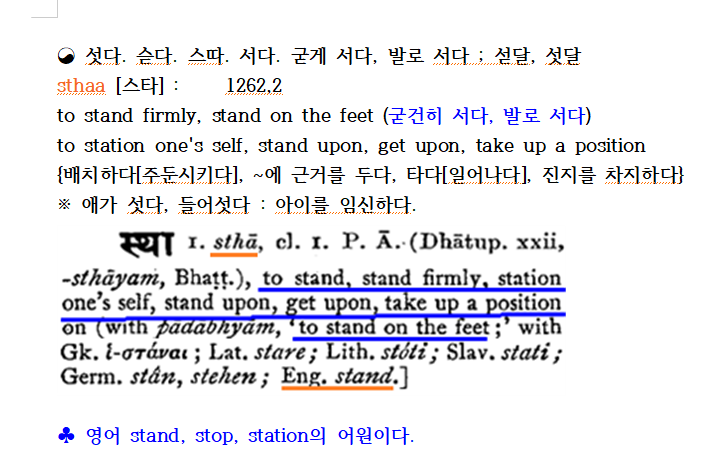
범어 어근 √sthā는
서다, 머물다, 존재하다, 자리를 잡다라는 뜻을 지닌다.
이 어근은 인도유럽 언어 전반으로 확장되어
영어 stand, station, stop과 같은 말로 이어진다.
stand는 ‘서 있음’,
station은 ‘서 있는 자리’,
stop은 ‘멈추어 서는 상태’를 의미한다.
■ 인도유럽 공통 계열
● Sanskrit: sthā — 서다, 존재하다
● Greek: histēmi — 세우다
● Latin: stare — 서다
● English: stand — 서다
● German: stehen — 서다
공통 핵심 의미
“서 있음 / 자리 잡음 / 존재함”
이처럼 서로 다른 언어권에서도 동일한 어근이 유지된다는 점은
√sthā가 인도유럽 공통의 근원적 개념임을 보여준다.
따라서 √sthā의 핵심은
존재가 한 자리에 서서 머무는 상태,
곧 다음으로 나아가기 직전의 준비된 정지 상태이다.
이 의미를 시간에 적용하면
섣달은 흐름이 멈춘 시간이 아니라
다음 생명이 출현하기 직전의 ‘시간의 정거장’으로 이해된다.
■ sthal — 굳음과 응축의 상태
√sthā와 연결된 sthal은
굳다, 단단해지다라는 의미를 지닌다.
한겨울의 자연은
땅이 얼고 만물이 멈춘 듯 보인다.
그러나 이 정지는 소멸이 아니라
응축과 저장, 그리고 준비의 과정이다.
씨앗이 땅속에서 겨울을 지나듯
생명은 가장 깊은 곳에서 단단해진다.
■ 납월(臘月) — 묶고 결속하는 달
음력 12월인 납월은
한 해의 기운을 묶고 결속하는 달이다.
‘납(臘)’은
모은다, 묶는다, 제사를 드린다는 의미를 지닌다.
이는 단순한 마무리가 아니라
시간과 생명의 흐름을 하나의 중심으로 결속하는 행위이다.
조상과 후손, 과거와 현재, 하늘과 땅의 기운이
이 달에 하나로 모인다.
이러한 결속의 개념은
중심을 묶는 의미를 지닌 nabi(나비)의 구조와도 상응한다.
■ 섣달은 수태의 시간이다
수태(受胎)는 보이지 않지만 이미 시작된 상태이며
완전히 준비되었으나 아직 드러나지 않은 생명의 단계이다.
이 관점에서 섣달은
단순한 종결이 아니라
새해를 품고 있는 시간이다.
존재가 아직 나타나지 않았지만
이미 내부에서 완전히 형성된 상태,
그것이 바로 섣달이다.
■ 시간의 생성 구조
이 흐름은 하나의 생명 구조로 이어진다.
섣달은 응축과 수태의 시간이며,
새배는 태동과 깨어남의 순간이고,
설은 출현과 드러남의 시간이다.
이 세 단계는
자연과 생명의 생성 원리를 그대로 반영한다.
■ 결론 — 섣달은 시작의 자리다
섣달은 단순한 마지막 달이 아니다.
존재가 서 있는 자리이며,
시간이 잠시 머물러 다음을 준비하는 지점이고,
새해가 내부에서 이미 시작된 상태이다.
설은 갑자기 도래하는 것이 아니라
이미 섣달 속에서 충분히 준비된 결과로 나타난다.
섣달은 끝이 아니라
새해를 품고 서 있는 시간이다.
●스스로 "나"를 사랑하고, 우리말과 역사를 사랑하는 모든 사람들에게 전달해 주십시오.
위 내용은 인터넷 주소창과 카톡에 아래와 같이 바로 입력하여 볼 수 있습니다.
www.다일라.한국/51
www.다일라.한국/2 ☆ 다 깨어 일어나라!!! 다일라!!! ☆ --대한민국 새로운 구호 제창
☆ 다 깨어 일어나라!!! 다일라!!! ☆ --대한민국 새로운 구호 제창
대한민국 새로운 구호 제창 다일라!!! 다 깨어 일어나라! 화이팅은 “투지(鬪志)”“전의(戰意)”를 뜻하는 영미권의 “파이팅 스피리트” (Fighting Spirit)를 사용하면서 생겨났다는 설(說)과 일본
www.xn--2j1b40gc5q.xn--3e0b707e
Kim Seok-Hoon
Korean Etymology Researcher
Editor of Our Korean–Sanskrit Etymological Dictionary
Genealogical & Historical Lineage Researcher
Compiler of the scroll The Genealogical History of Humanity from the Heavenly Emperor Hwan-State and Joseon
🌙 Seotdal — The Month That Holds the New Year Within
— A Deep Structure of Korean Language Interpreted through √sthā, Napwol (臘月), and Conception
We commonly refer to seotdal as the last month of the year.
However, this expression does not simply signify an ending.
Seotdal is not an end, but a time that holds the New Year within it.
■ Seotdal as “Seot-dal” — The Month of Entering
In older Korean, seotdal appears as seot-dal.
The element seot is not merely numerical, but can be interpreted as “to stand” or “to enter.”
When life begins, we say “the child has entered,”
which corresponds to conception—the moment when life begins internally.
From this perspective, seotdal represents
a time not yet revealed but already begun,
a state in which the New Year has been conceived.
■ √sthā — The Place Where Being Stands
The Sanskrit root √sthā means
to stand, to remain, to exist, and to take position.
This root extends across Indo-European languages
into words such as stand, station, and stop in English.
Stand denotes “being upright,”
station refers to “a place where one stands,”
and stop signifies “a state of coming to a standstill.”
■ Indo-European Common Lineage
● Sanskrit: sthā — to stand, to exist
● Greek: histēmi — to set, to establish
● Latin: stare — to stand
● English: stand — to stand
● German: stehen — to stand
Core shared meaning:
“standing / being established / existence”
The persistence of this root across languages demonstrates that √sthā is a fundamental concept in the Indo-European linguistic system.
Thus, the essence of √sthā lies in
a state in which being stands and remains in place,
a poised stillness just before moving forward.
Applied to time,
seotdal is not a halted flow,
but a “station of time” just before new life emerges.
■ Sthal — Firmness and Condensation
The related form sthal carries the meaning
“to become firm” or “to harden.”
In midwinter,
the earth freezes and all things appear to stop.
Yet this stillness is not extinction,
but a process of condensation, storage, and preparation.
Just as seeds endure beneath the soil through winter,
life becomes most solid and prepared in its deepest layer.
■ Napwol (臘月) — The Month of Binding and Integration
The twelfth lunar month, Napwol,
is the time when the energies of the year are gathered and bound together.
The character 臘 (nap) conveys meanings such as
to collect, to bind, and to perform ancestral rites.
This is not merely an ending,
but an act of integrating time and life into a single center.
Ancestors and descendants, past and present, heaven and earth
are brought together in this period.
This notion of binding corresponds structurally
to nabi (nābhi), the concept of a central axis that binds all things.
■ Seotdal as the Time of Conception
Conception is a state that has already begun, though not yet visible—
a stage in which life is fully prepared but not yet revealed.
In this sense, seotdal is not an ending,
but a time that carries the New Year within it.
It is a state in which existence has not yet appeared outwardly,
yet has already been fully formed within.
■ The Generative Structure of Time
This flow unfolds as a structure of life itself.
Seotdal is the time of condensation and conception,
Saebae (dawn) is the moment of awakening and stirring,
and Seol (New Year’s Day) is the moment of emergence and manifestation.
These three stages reflect
the fundamental process of nature and life.
■ Conclusion — Seotdal as the Place of Beginning
Seotdal is not merely the final month.
It is the place where being stands,
the point where time pauses to prepare for what comes next,
and the state in which the New Year has already begun within.
The New Year does not arrive suddenly;
it emerges as the result of what has already been prepared within seotdal.
Seotdal is not an end,
but the time that holds and stands with the New Year.
🌟 One-Line Summary
Seotdal is not the end of time, but the place where the New Year stands, just before it is born.