김석훈 | 우리말 뿌리연구가, 『우리말 범어사전』 편저자
| 역사계보 족보연구가, 『천제환국조선인류역사계보 』 두루마리 편
| '다일라 운동' 주창
설 - 새배 - 새해 - 세배 - 차례 바른 뜻 - 광양경제
설 - 새배 - 새해 - 세배 - 차례 바른 뜻 - 광양경제
설은 단순한 명절이 아니라, 태양·시간·의례가 겹쳐진 깊은 언어 구조를 담고 있다.새해는 새로운 ‘해(年)’가 아니라, 새로운 태양(太陽)이 떠오르는 해를 뜻한다.새벽의 옛말 ‘새배(晨)’는
www.genews.co.kr
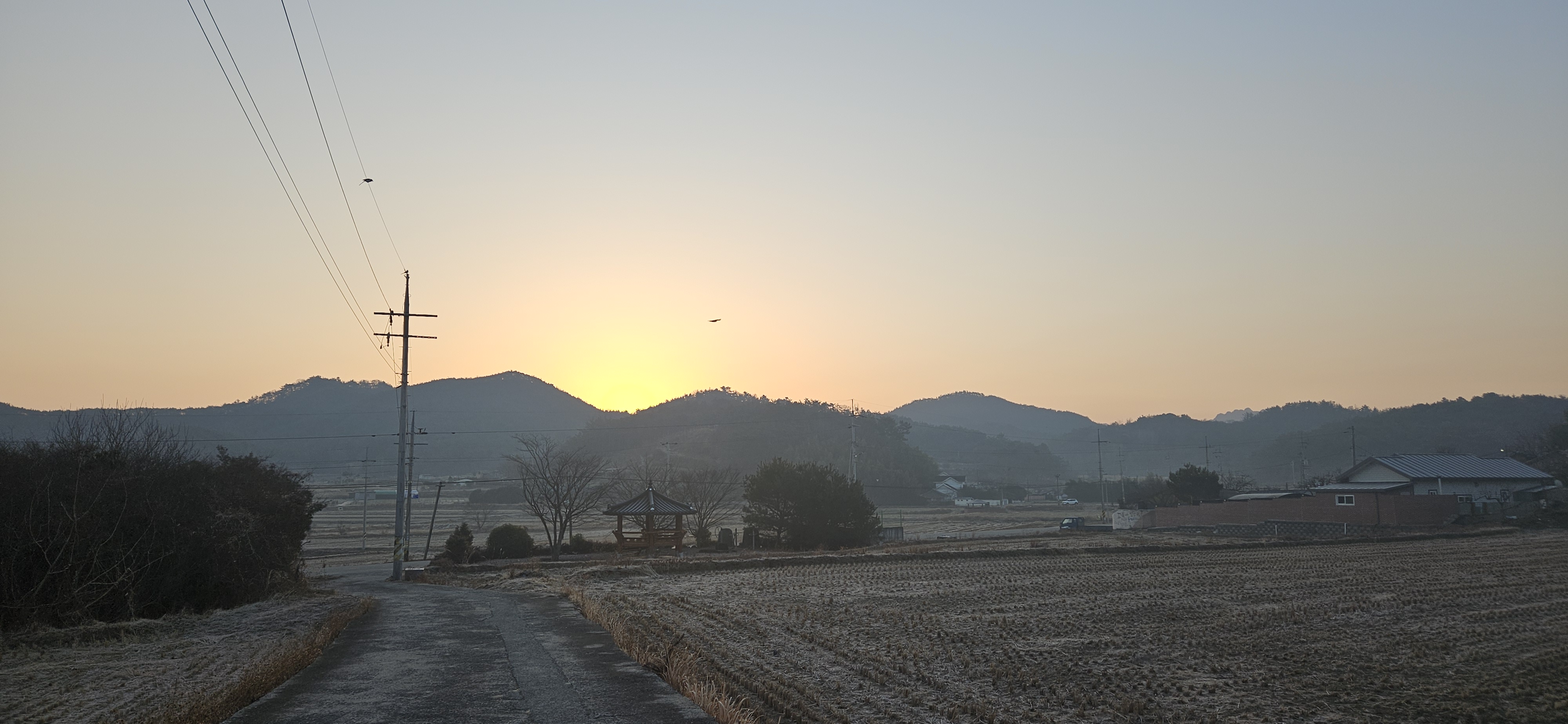
설은 단순한 명절이 아니라, 태양·시간·의례가 겹쳐진 깊은 언어 구조를 담고 있다.
새해는 새로운 ‘해(年)’가 아니라, 새로운 태양(太陽)이 떠오르는 해를 뜻한다.
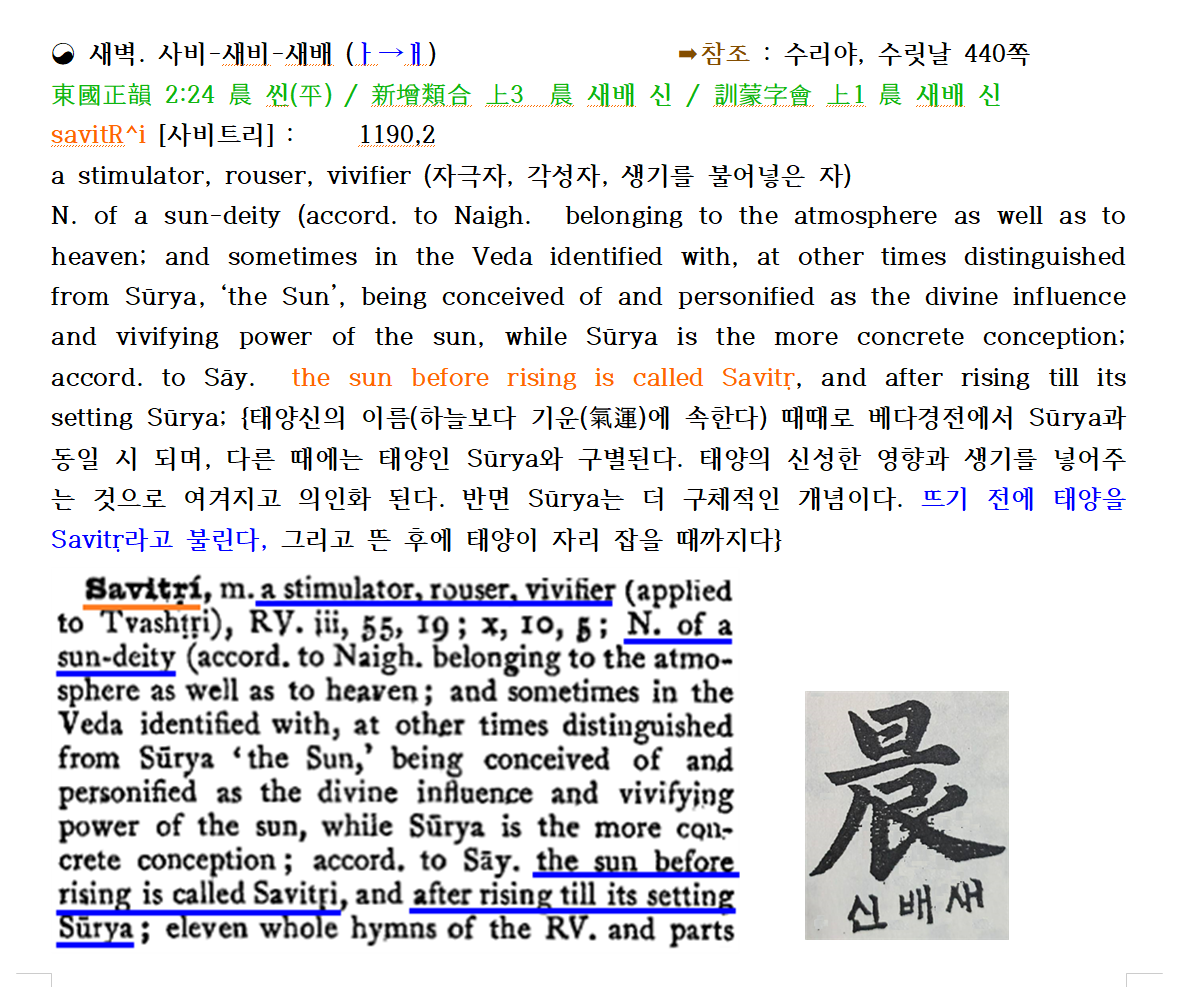
새벽의 옛말 ‘새배(晨)’는 범어 Savitṛ(태양 직전의 힘)와 연결되며 빛의 태동을 의미한다.
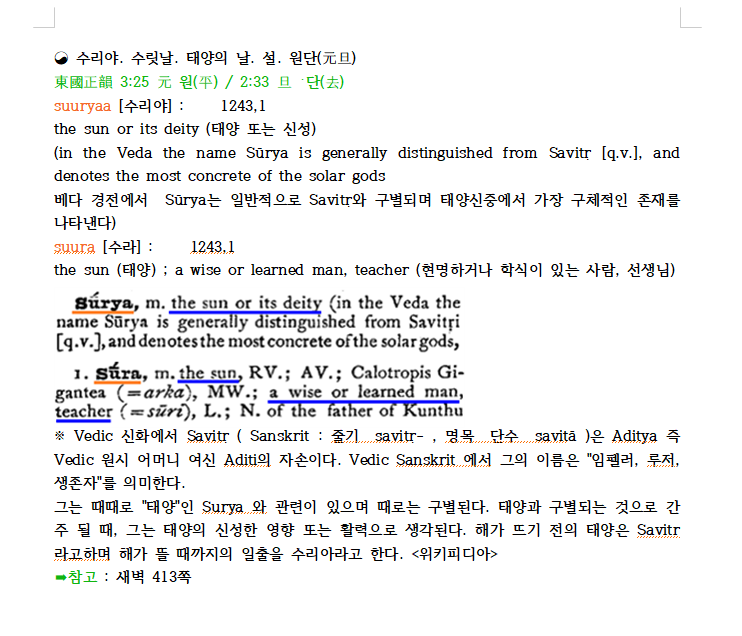
그 새배를 지나 완전히 떠오른 태양 Sūrya(수리야)의 날이 곧 설이다.
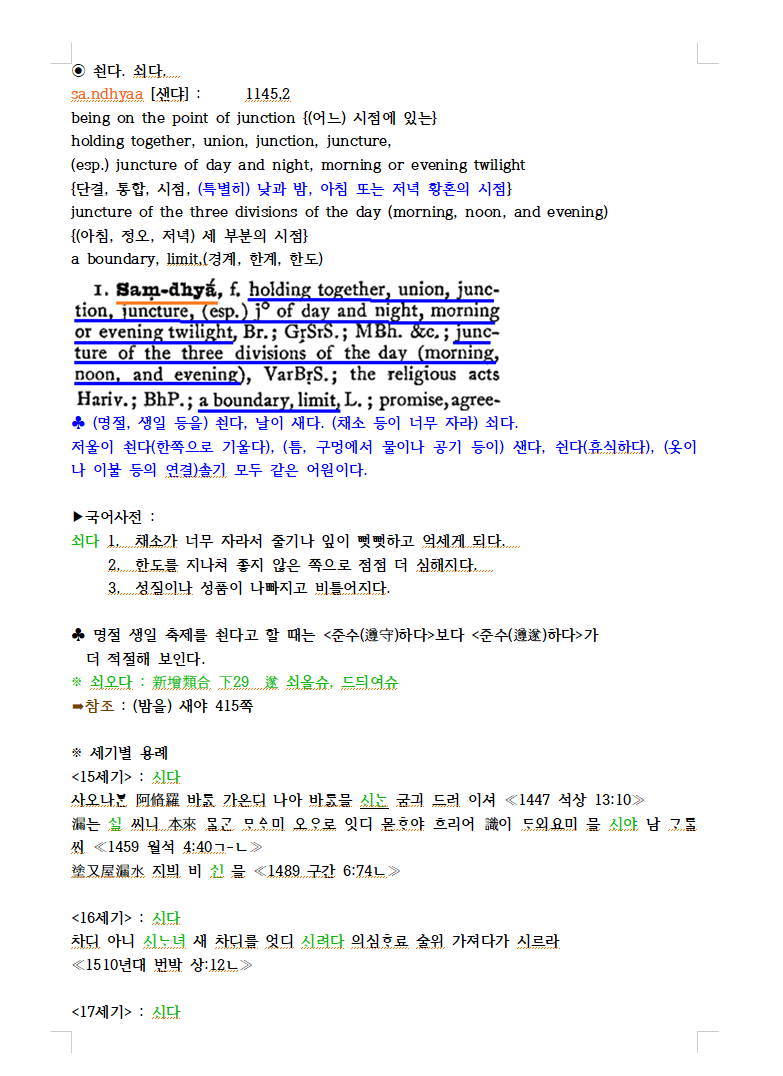
설을 ‘쇤다’는 것은 saṃdhi(경계)를 건너 시간과 관계를 다시 잇는 행위다.
차례는 태양·하늘·조상·현재를 한 자리에 모아 시간을 ‘차려’ 놓는 의식이다.
세배(歲拜)는 새해 첫 태양 아래에서 사람과 사람이 다시 연결되는 절이다.
결국 설은 우주와 인간, 조상과 후손이 하나로 만나는 날이다.
🌅 설·새배·새해·세배에 담긴 태양의 언어
정월 초하루, 빛이 태동하고 절로 이어지는 우리말의 깊은 구조
정월 초하루, 우리는 설을 맞는다.
새벽 일찍 일어나 차례를 지내고, 웃어른께 세배를 올리며 한 해를 연다.
이 평범한 풍습 속에는 사실 놀라운 언어의 층위가 숨어 있다.
설은 단순한 명절이 아니라,
태양·시간·의례가 겹쳐진 고층(高層) 구조의 문화 언어라는 해석이 가능하다.
■ 새해 — 새로 떠오르는 태양의 해
우리가 가장 먼저 쓰는 말은 ‘새해’다.
그러나 이 말은 단순히 “새로운 해(年)”가 아니다.
범어 **Savitṛ(사비트르)**는
“깨우는 자, 생기를 불어넣는 자”,
곧 태양이 떠오르기 직전의 힘을 뜻한다.
이 말은 사비 → 새비 → 새배로 이어지며
우리말 속에 스며든다.
여기서 ‘새’라는 말이 열린다.
하루를 여는 새벽,
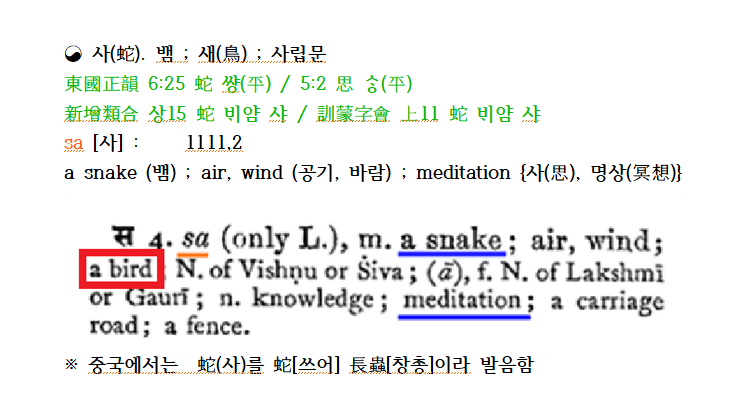
그 시간에 가장 먼저 세상을 깨우는 존재는 **새(鳥)**다.
새가 지저귀며 어둠을 깨우고, 하루를 연다.
새의 본래 소리는 ‘사’였고,
사 → 새(ㅏ→ㅐ)로 변하며
‘새’는 깨어남과 시작의 소리가 된다.
그래서
- 새벽
- 새날
- 새것
- 새로움
이 모두가
빛이 시작되는 시간과 연결된 말이다.
결국 ‘새해’란
새로운 해(年)가 아니라
새로운 해(太陽)가 떠오르는 해(年)
를 뜻한다.
여기서 ‘해’는 단순한 시간이 아니라
하늘을 밝히고 경계를 짓는 존재,
인간이 가장 오래 숭앙해 온 대상이다.
그 해가 동터 오르며
하늘 ‘텬(天)’이 되고,
텬 → 천으로 이어진다.
새해는 곧
태양과 하늘,
그리고 우주 전체가 다시 열리는 순간이다.
■ 새벽의 옛말은 ‘새배’
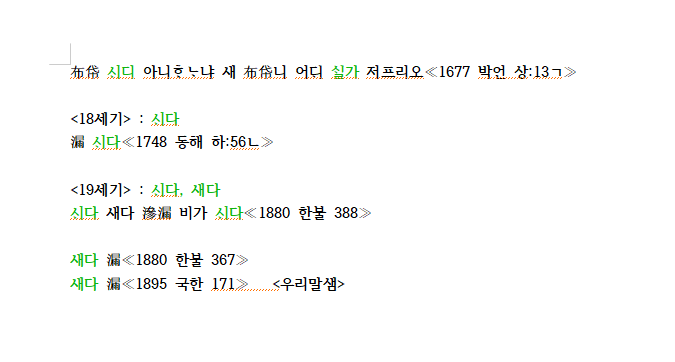
조선 중기 문헌인 『新增類合』과 『訓蒙字會』에는
새벽을 “새배(晨)”라고 적고 있다.
즉, 오늘날 우리가 쓰는 “새벽”의 옛말은 ‘새배’였다.
범어 Savitṛ와의 연결을 보면
사비 → 새비 → 새배(ㅏ→ㅐ 변이)
새배는 단순한 시간명이 아니라
빛이 막 태동하는 순간의 이름이다.
■ 설은 ‘수리야’의 날
범어 Sūrya(수리야)는
완전히 떠오른 태양을 뜻한다.
sūrya → 수리야 → 수리 → 수릿날 → 설
이 흐름은 단오를 “수릿날”이라 부르는 전통과도 연결된다.
그렇다면 설은
정월 초하루 첫 태양, 곧 태양의 날이다.
새배의 태동을 지나
수리야가 완전히 드러나는 순간,
그날이 설이다.
■ 차례 — 시간을 차려 우주를 모시는 의식
설날 새벽이 지나 첫 태양이 떠오르면 우리는 차례를 지낸다.
‘차리다’는 말은 단순히 놓는 것이 아니라
질서를 세우고, 자리를 갖추고, 마음을 가다듬는 행위다.
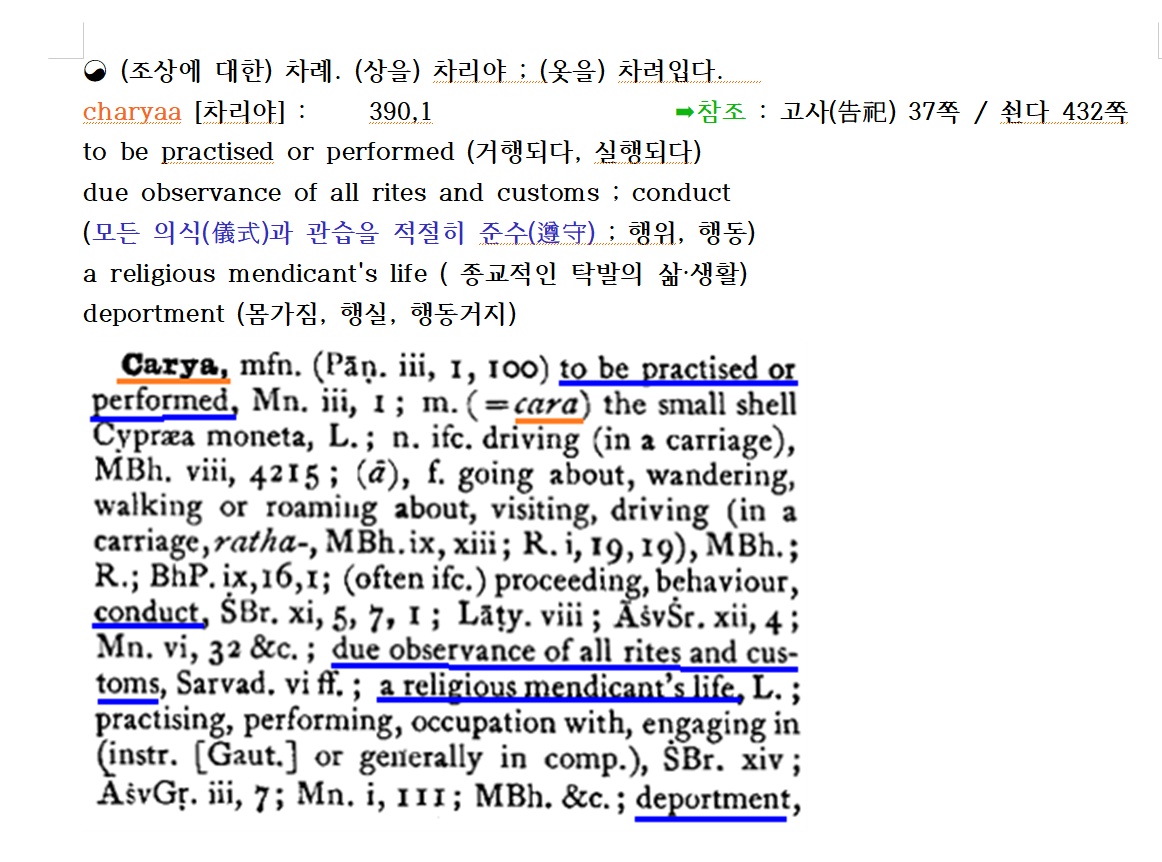
범어 caryā(차리야)는
“행하다, 수행하다, 의례를 갖추다”라는 뜻을 지닌다.
차례는 단순한 제사가 아니다.
태양의 시간, 하늘의 질서,
그리고 조상의 시간을 한 자리에 모아
우주를 ‘차려’ 놓는 의식이다.
새배의 어둠을 지나
수리야의 첫 빛이 비추는 순간,
우리는 조상을 모시고
시간을 거슬러 만난다.
과거와 현재,
하늘과 땅,
사람과 조상이 한 상 위에서 만난다.
차례는 곧
시간과 우주를 정렬하는 행위다.
■ ‘설을 쇤다’의 깊은 뜻
우리는 설을 “지낸다”가 아니라 “쇤다”고 말한다.
범어 saṃdhi(샌디)는
경계·접속·결합을 뜻한다.
낮과 밤이 만나는 자리,
시간이 넘어가는 문턱이다.
쇠다·새다·샌다는 모두
이 경계의 뜻을 품고 있다.
따라서 설을 쇤다는 것은
시간의 경계를 건너
끊어졌던 것을 다시 잇는 일이다.
차례는 그 경계에서
조상과 이어지는 자리다.
<참조> ▶ www.다일라.한국/23 “설을 쇠다(쇤다)” 본래 뜻?
■ 새배와 세배(歲拜)의 만남
설날 아침 우리는 세배를 한다.
歲(해 세) + 拜(절 배)
새해에 절을 올린다는 뜻이다.
흥미롭게도
- 새배(晨) — 새벽
- 세배(歲拜) — 새해 절
은 소리와 시간 구조가 겹친다.
설날 아침의 흐름은 이렇다.
새배(빛의 태동)
→ 설(태양의 출현)
→ 차례(우주와 조상을 모심)
→ 세배(사람과 사람을 잇는 절)
■ 설은 우주와 인간이 만나는 날
설은 단순한 명절이 아니다.
- 태양이 태동하고
- 태양이 완전히 드러나며
- 시간의 경계를 건너고
- 하늘과 우주를 우러르고
- 조상과 만나고
- 사람과 사람이 다시 이어지는 날
이 모든 것이 한날에 겹친다.
그래서 우리는 말한다.
“설 잘 쇠세요.”
그 말 속에는
빛을 맞이하고,
하늘을 우러르고,
조상을 기억하며,
경계를 건너고,
관계를 다시 잇고,
마음을 새로 하라는 뜻이 담겨 있다.
2026년 설,
동트는 새배의 하늘을 바라보며
수리야의 첫 빛 아래
차례로 우주를 모시고,
세배로 서로를 잇는 하루가 되길 기대해 본다.

●스스로 "나"를 사랑하고, 우리말과 역사를 사랑하는 모든 사람들에게 전달해 주십시오.
위 내용은 인터넷 주소창과 카톡에 아래와 같이 바로 입력하여 볼 수 있습니다.
www.다일라.한국/50
🌅 The Solar Language Embedded in Seol, Saebae, Saehae, and Sebae
— The Deep Structure of Korean Language Where Light Emerges and Ritual Begins on Lunar New Year’s Day
Seol (Lunar New Year) is not merely a holiday;
it embodies a profound linguistic structure in which the sun, time, and ritual converge.
“Saehae” (New Year) does not simply mean a new year in time, but the year in which a new sun rises.
The old word for dawn, saebae (晨), connects to the Sanskrit Savitṛ, the force before sunrise, symbolizing the birth of light.
After this saebae, the fully risen sun—Sūrya—marks the day of Seol.
To “observe” Seol (soe-n-da) means to cross a saṃdhi—a boundary—and reconnect time and relationships.
Charye is a ritual that arranges time itself, bringing together the sun, heaven, ancestors, and the present.
Sebae (歲拜) is a bow performed under the first sun of the year, reconnecting people to one another.
Ultimately, Seol is the day when the universe and humanity, ancestors and descendants, become one.
On the first day of the lunar year, we greet Seol.
We rise early at dawn, perform ancestral rites (charye), and bow to our elders (sebae), thus opening the year.
Within these ordinary customs lies a surprisingly deep layer of language.
Seol can be understood not simply as a holiday,
but as a cultural language of layered structure in which the sun, time, and ritual intersect.
■ Saehae — The Year of the Newly Rising Sun
The first word we speak is “Saehae” (New Year).
Yet this does not merely mean a new year (年).
The Sanskrit Savitṛ means
“the awakener,” “the one who brings life,”
the force just before the sun rises.
This word flowed into Korean through sound transformation:
savi → saebi → saebae.
Here, the meaning of “sae” (new) unfolds.
At dawn, which opens the day,
the first being to awaken the world is the bird (sae).
Its song breaks the darkness and begins the day.
The original sound of “sae” was “sa,”
which shifted (ㅏ → ㅐ) into “sae,”
becoming the sound of awakening and beginning.
Thus,
- dawn (saebyeok)
- new day
- new things
- newness
are all words connected to the moment when light begins.
In essence, “Saehae” does not merely mean a new year (年),
but the year in which a new sun (太陽) rises.
Here, “hae” (sun) is not just time,
but the being that illuminates the sky and defines boundaries—
an object of reverence throughout human history.
As this sun rises in the east,
it becomes tyeon (天), later cheon (heaven).
Thus, Saehae is
the moment when the sun, the sky, and the entire universe open anew.
■ Saebae — The Old Word for Dawn
In Joseon-era texts such as Sinjeung Yuhap and Hunmongjahoe,
dawn is recorded as saebae (晨).
Thus, the modern word saebyeok (dawn) originates from saebae.
Through its connection with Savitṛ:
savi → saebi → saebae
Saebae is not merely a time of day,
but the moment when light is about to be born.
■ Seol — The Day of Sūrya
The Sanskrit Sūrya refers to the fully risen sun.
sūrya → suriya → suri → surit-nal → Seol
This linguistic flow connects with the tradition of calling Dano “Surit-nal.”
Thus, Seol can be understood as
the day of the first sun of the lunar year.
After the latent force of saebae,
when Sūrya fully manifests—
that moment is Seol.
■ Charye — A Ritual That Arranges Time and the Universe
After dawn passes and the first sun rises, we perform charye.
“To prepare” (chari-da) does not simply mean to place things,
but to establish order, set positions, and compose the mind.
The Sanskrit caryā means
“to perform, to practice, to carry out a ritual.”
Thus, charye is not merely an ancestral rite.
It is
a ritual that gathers the time of the sun,
the order of heaven,
and the time of the ancestors,
and arranges the universe itself.
As the darkness of saebae passes
and the first light of Sūrya shines,
we invite our ancestors
and meet them across time.
Past and present,
heaven and earth,
humans and ancestors
meet at one table.
Charye is therefore
an act of aligning time and the cosmos.
■ The Meaning of “Observing Seol”
We do not simply “spend” Seol—we “soe” (쇤다) it.
The Sanskrit saṃdhi means
boundary, junction, connection.
It is the meeting point of day and night,
the threshold where time shifts.
Words like soe-da, sae-da, and saen-da
all carry this meaning of boundary.
Thus, to observe Seol is
to cross the boundary of time
and reconnect what was once separated.
Charye is the place where we reconnect with our ancestors within that boundary.
■ The Meeting of Saebae and Sebae
On the morning of Seol, we perform sebae.
歲 (year) + 拜 (bow)
— to bow at the beginning of the year.
Interestingly,
- saebae (晨) — dawn
- sebae (歲拜) — New Year’s bow
overlap in both sound and temporal structure.
The flow of Seol morning is:
Saebae (birth of light)
→ Seol (appearance of the sun)
→ Charye (gathering the cosmos and ancestors)
→ Sebae (connecting people through bows)
■ Seol — The Day the Universe and Humanity Meet
Seol is not merely a holiday.
It is the day when:
- the sun is born,
- the sun fully reveals itself,
- the boundary of time is crossed,
- heaven and the cosmos are revered,
- ancestors are encountered,
- and people reconnect with one another.
All of this converges on a single day.
That is why we say:
“Have a blessed Seol.”
Within this greeting lies the meaning:
to receive the light,
to revere the heavens,
to remember the ancestors,
to cross the boundary,
to reconnect relationships,
and to renew the heart.
In the Seol of 2026,
as we gaze upon the dawning sky of saebae,
under the first light of Sūrya,
may we gather the universe through charye
and reconnect with one another through sebae.