물과 씨앗— 농사와 관련된 우리말과 범어(梵語)의 어원 6
김석훈 | 우리말 뿌리연구가, 『우리말 범어사전』 편저자
| 역사계보 족보연구가, 『천제환국조선인류역사계보 』 두루마리 편
| '다일라 운동' 주창

물과 씨앗의 언어— 부풀고 싹트며 생명이 시작되다
우리가 무심코 쓰는 말 속에는
대자연의 순환과 생명 탄생의 신비가 고스란히 녹아 있다.
특히 '물'과 '씨앗'을 둘러싼 우리말과 고대 언어의 흔적을 따라가다 보면,
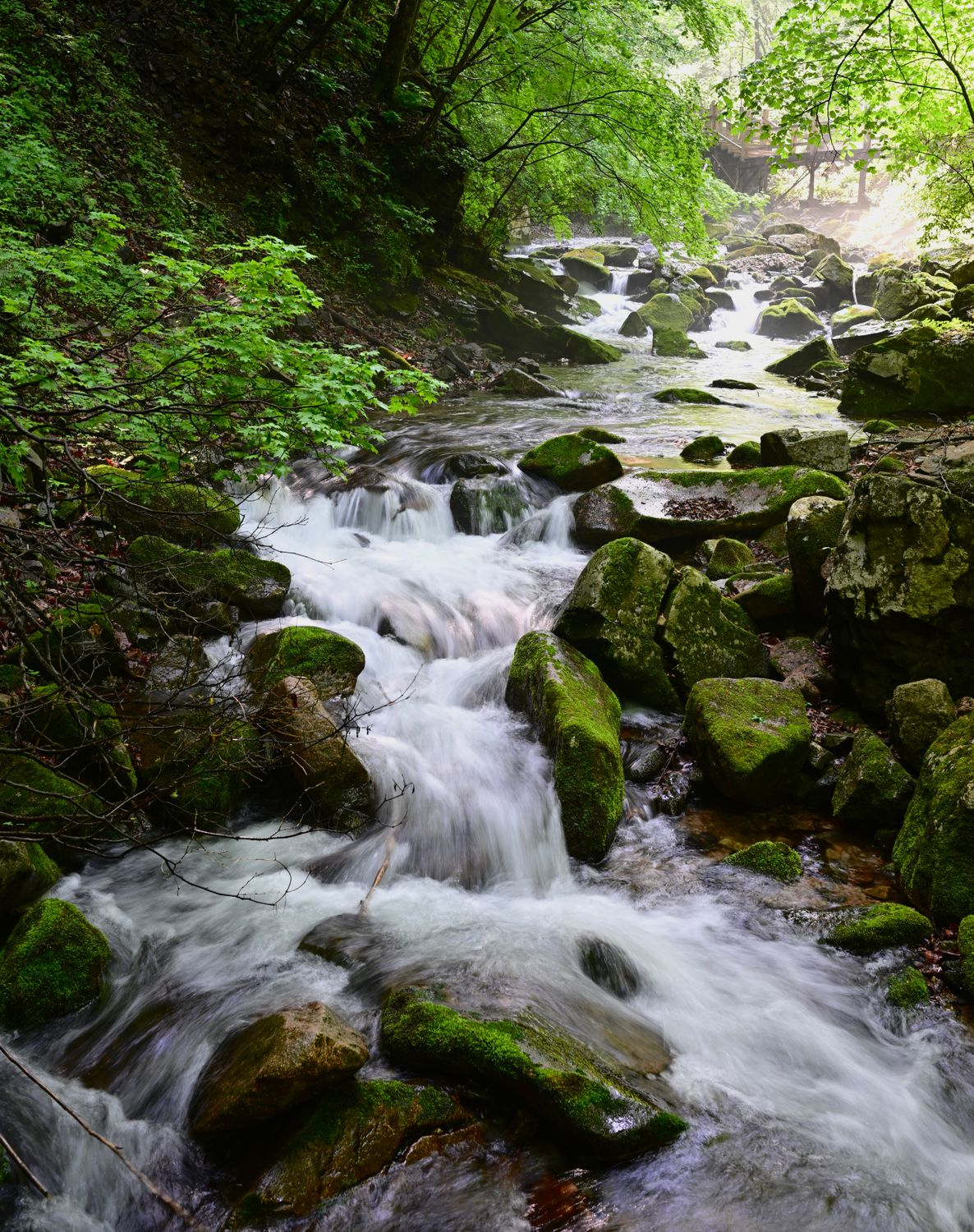
물이 뿜어져 나와 마른 대지를 적시고
하나의 씨앗이 깨어나 자라나는 경이로운 서사가 펼쳐진다.
1. 생명의 근원, 물이 뿜어져 나오다
모든 생명의 드라마는
먼저 물이 세상 밖으로 쏟아져 나오는 것부터 시작된다.
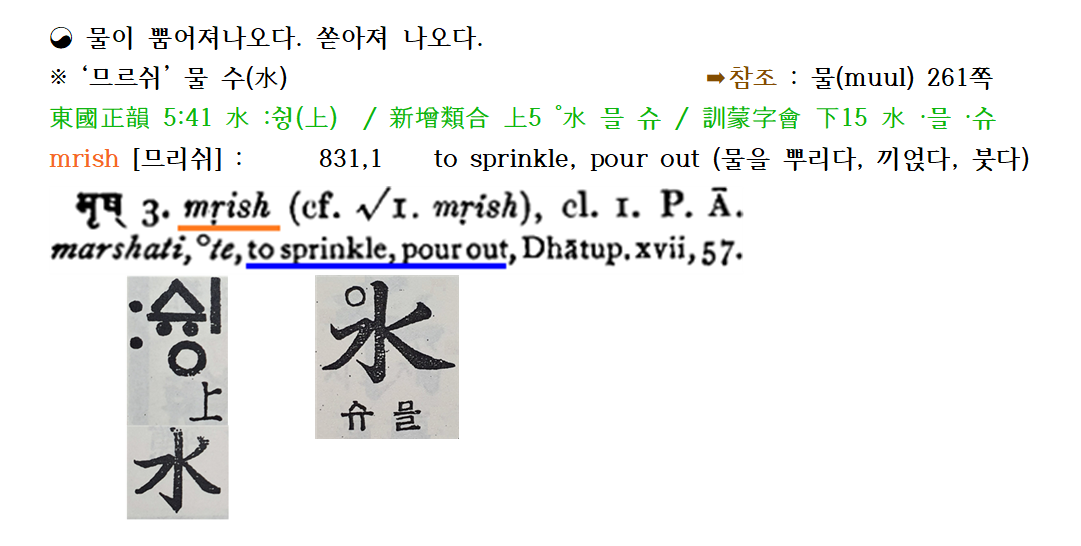
- 물이 쏟아지는 소리: 고대 산스크리트어 어원인 'mrish[므리쉬]'는 ‘물을 뿌리다, 끼얹다, 붓다(to sprinkle, pour out)’라는 뜻을 가진다. 즉, 물이 사방으로 힘차게 뿜어져 나오고 쏟아져 나오는 역동적인 상태를 기표한 언어이다.
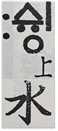
- '믈'과 'ᄉᆔᆼ'의 유래: 이 '므르쉬'의 외침은 우리말의 옛 형태인 '믈'로 고스란히 이어진다. 《훈몽자회》와 《신증유합》에 기록된 ‘믈 슈(水)’, 그리고 세종대왕 시절 《동국정운》에 기록된 옛 발음 ‘ᄉᆔᆼ(水)’의 흔적을 보면, 동서양을 막론하고 물을 뜻하는 고대어들이 ‘ㅁ’과 ‘ㅅ/쉬’의 계열에서 함께 싹텄음을 짐작하게 한다.

2. 물을 머금고 몸집을 키우다 (곡식을 물에 불리다)
그렇게 뿜어져 나온 물이 마른 씨앗을 적시면,
씨앗은 몸집을 웅크리고 있던 세포들을 깨우기 시작한다.
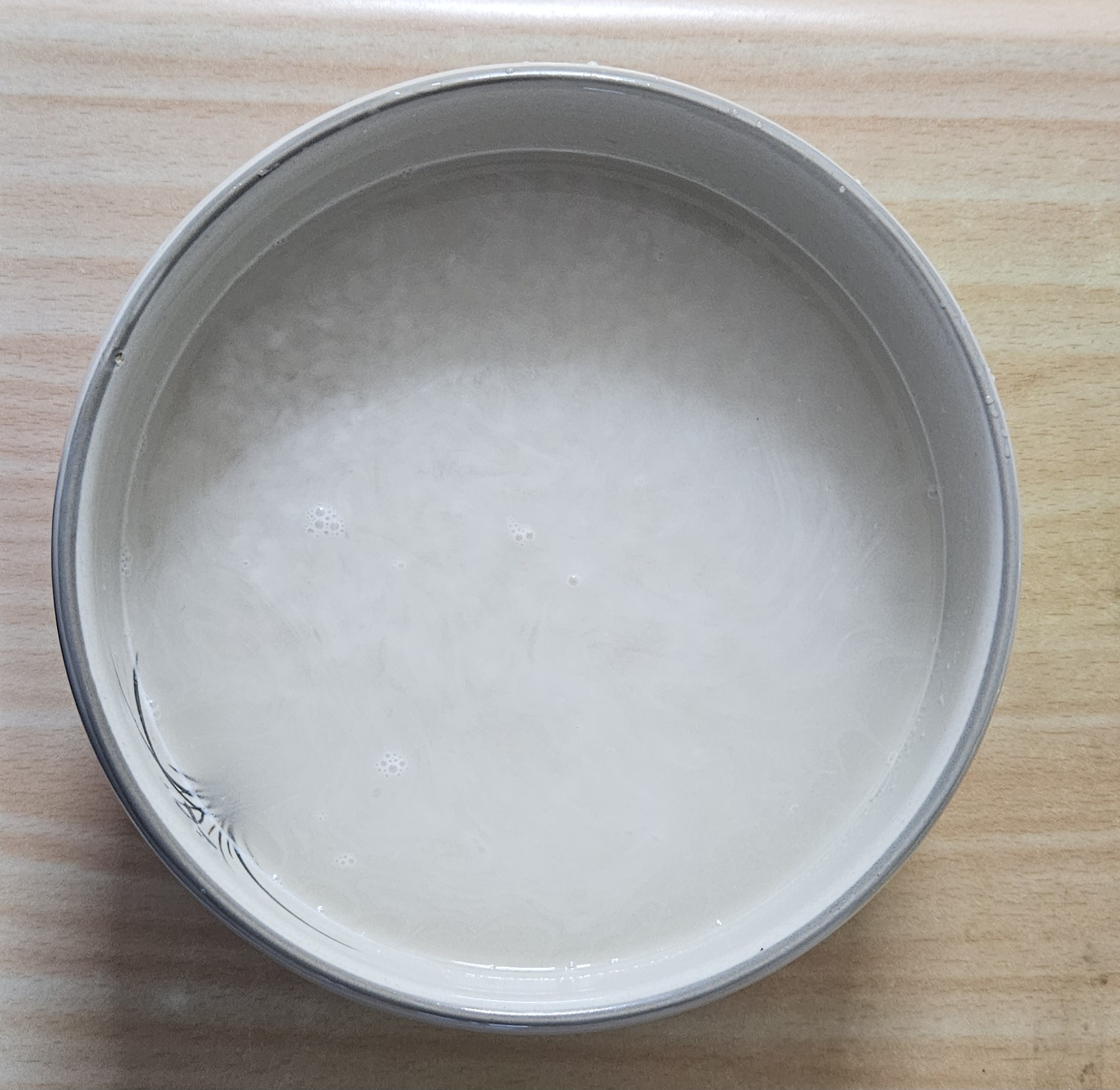
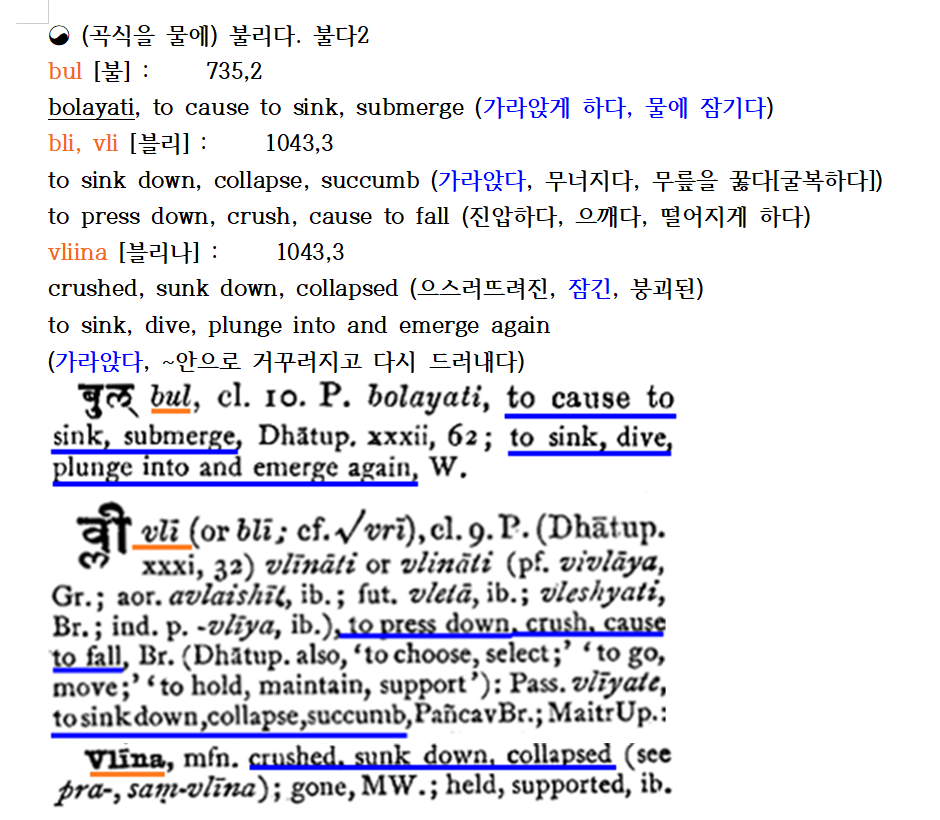
- 부풀고 가득 차는 언어: 우리는 곡식을 물에 담가 부피를 커지게 할 때 '불리다'라고 합니다. 이는 분량이 많아지는 '붇다', 바람이 들어가 부풀어 오르는 '불다'와 한 줄기로 이어진다.
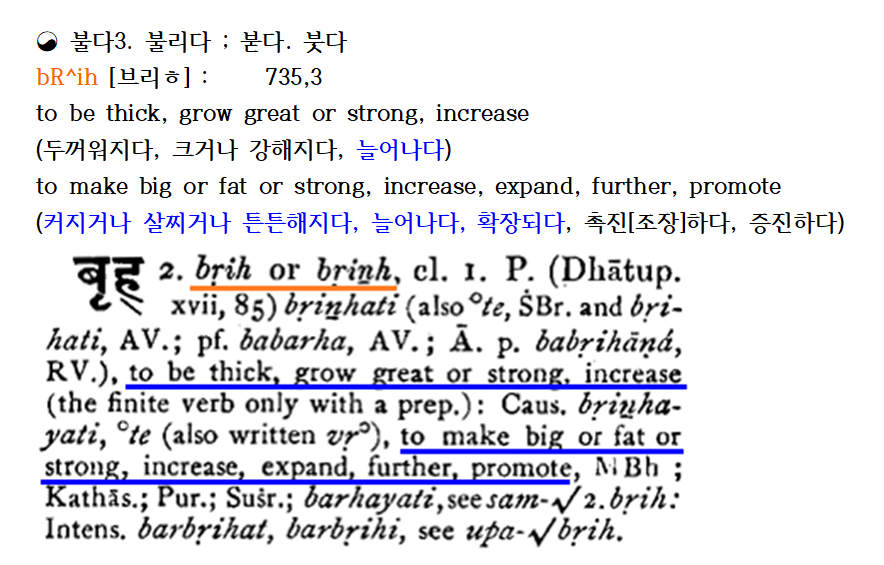
- 고대 언어의 흔적: 산스크리트어 어원 'bul'이나 'bR^ih' 역시 무언가 팽창하고, 커지고, 가득 차오르는 생명의 첫 움직임을 담고 있다.

3. 마침내, 첫 생명이 터져 나오다 (비롯되다)
물을 가득 머금은 씨앗은
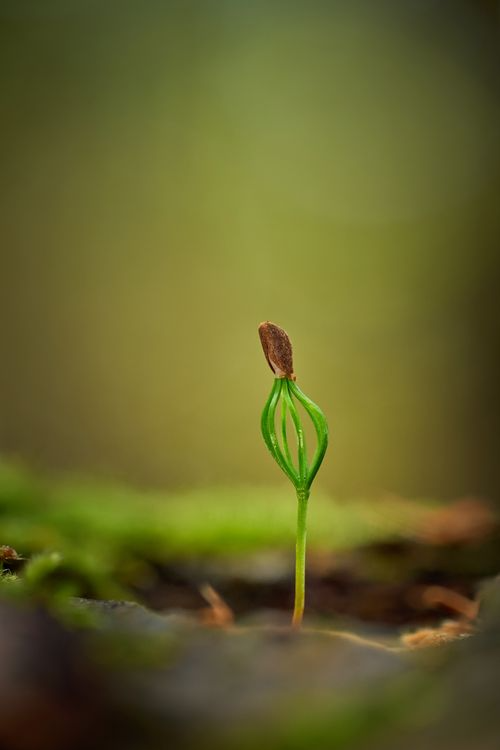
마침내 단단한 껍질을 찢고 작은 초록빛 생명을 세상을 향해 내민다.
'시작'의 순간이다.
- 처음과 탄생의 언어: 어떤 일이 처음으로 시작될 때 우리는 '비롯되다'라고 한다. 이 말은 '이제야 비로소' 할 때의 '비로소'와 맞닿아 있으며, 옛 시절에는 '시작(始)'을 '비르슬 시'라고 새겼다.
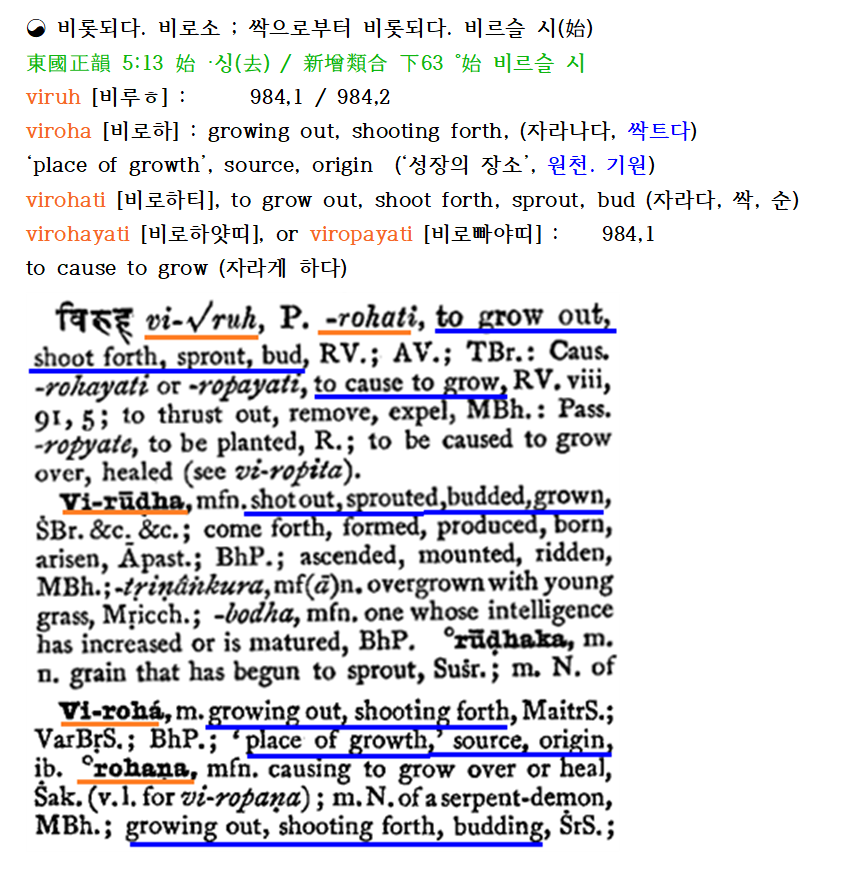
- 싹트고 자라나는 어원: 이 마디는 산스크리트어 'viruh', 'viroha'(싹트다, 자라다) 그리고 'virohati'(자라나다, 탄생하다)와 음과 뜻이 기가 막히게 연결된다. 인류에게 생명의 '비롯됨'은 곧 '싹트음' 그 자체였던 것이다.

4. 보이지 않는 곳에서 중심을 잡다 (뿌리)
하늘을 향해 싹을 틔운 생명이 쓰러지지 않으려면,
땅속 깊은 곳으로 자신을 고정해야 한다.
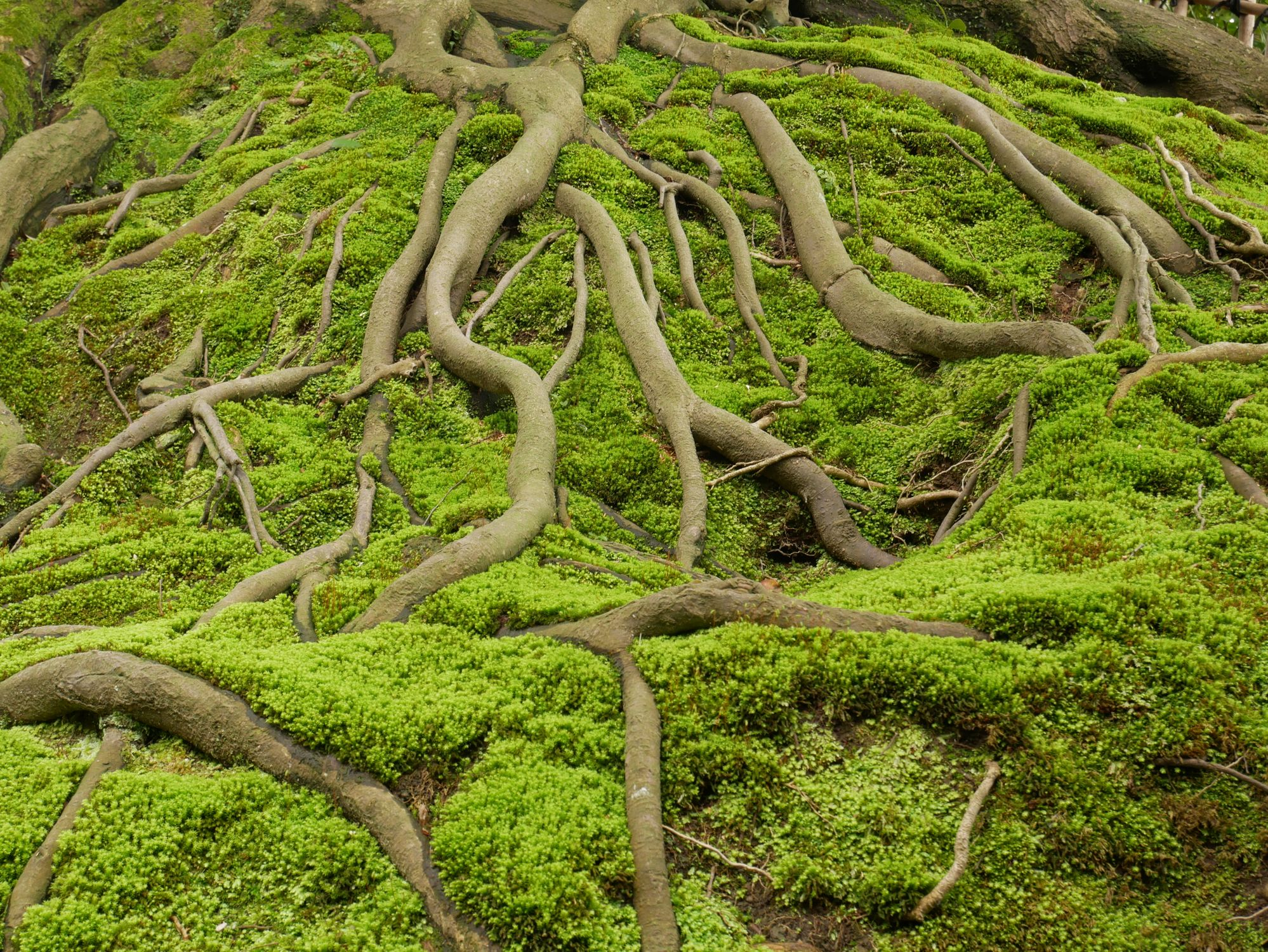
보이지 않는 곳에서 생명을 지탱하는 힘, 바로 뿌리이다.
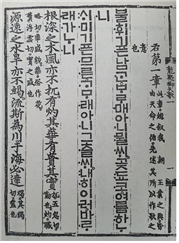
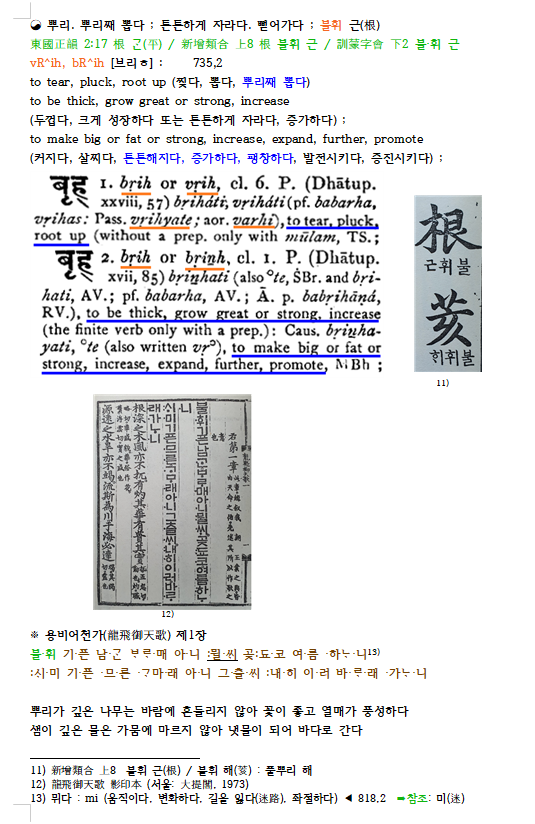
- 단단한 근간의 언어: '뿌리'의 옛말은 용비어천가에도 나오듯 '불휘'였다. 한자로 '뿌리 근(根)'을 새길 때도 우리 조상들은 '불휘 근'이라 불렀다..
- 성장하고 확장하는 힘: 이 '불휘'의 기원은 다시 산스크리트어 'vR^ih'와 'bR^ih'로 연결된다. 이는 1단계의 '불리다'와도 통하는 어원으로, 생명이 위아래로 팽창하며 거대하게 성장하는 에너지를 뜻한다.

5. 하늘의 축복 속에서 자라나다 (비가 삐리다)
땅에 뿌리를 내린 식물이 풍성한 곡식으로 완성되기 위해서는
하늘에서 내리는 촉촉한 단비가 필수적이다.
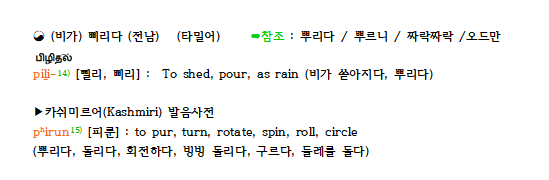
- 내리고 뿌려지는 언어: 방언 중에는 비가 내리는 모습을 "비가 삐리다(뿌리다)"라고 표현한다. 하늘에서 물방울이 흩뿌려지며 대지를 적시는 생생한 묘사이다.
- 물방울의 어원: 이 역동적인 물의 움직임은 타밀어 등 드라비다어족의 'piḻi'(짜내다, 쏟아지다)나 페르시아 계열의 'pʰirun'(비, 물방울)과 같은 고대 언어들과 묘하게 맞닿아 있다.

요약: 언어가 보여주는 생명의 드라마
우리 언어의 뿌리를 가만히 들여다보면,
대자연이 생명을 빚어내는 순서가 고스란히 짜 맞추어져 있다.
물이 세차게 뿜어져 나와(mrish/믈) ──> 씨앗이 그 물을 만나 부풀고(불리다) ──> 마침내 첫 싹을 틔우며 시작되어(비롯되다) ──> 땅속 깊이 단단한 중심을 내리고(불휘/뿌리) ──> 하늘의 단비를 맞으며 성장하는(삐리다/뿌리다) 과정
우리 선조들과 인류의 조상들은 생명이 탄생하고 자라는 이 경이로운 과정을 온몸으로 관찰하며,
그 순리 그대로를 언어라는 그릇에 담아 오늘날 우리에게 전해준 것이 아닐까요?
●스스로 "나"를 사랑하고, 우리말과 역사를 사랑하는 모든 사람들에게 전달해 주십시오.
위 내용은 인터넷 주소창과 카톡에 아래와 같이 바로 입력하여 볼 수 있습니다.
www.다일라.한국/73
www.다일라.한국/61
www.다일라.한국/2
☆ 다 깨어 일어나라!!! 다일라!!! ☆ --대한민국 새로운 구호 제창
◈ ◈ ◈ ◈ ◈ ◈ ◈ ◈ ◈ ◈ ◈ ◈ ◈ ◈ ◈ ◈ ◈ ◈ ◈ ◈ ◈ ◈ ◈ ◈ ◈ ◈ ◈ ◈ ◈ ◈ ◈ ◈
Kim Seok-Hoon
Korean Etymology Researcher
Editor of Our Korean–Sanskrit Etymological Dictionary
Genealogical & Historical Lineage Researcher
Compiler of the scroll The Genealogical History of Humanity from the Heavenly Emperor Hwan-State and Joseon
The Language of Water and Seeds—Expanding, Sprouting, and the Awakening of Life
Deep within the words we use without a second thought, the grand cycle of Mother Nature and the profound mysteries of life’s birth are vividly preserved. In particular, tracing the linguistic footprints of "water" and "seeds" across the Korean language and ancient tongues unveils a breathtaking narrative—one where rushing water drenches the parched earth, and a single seed awakens to grow.
1. The Source of Life: Water Gushes Forth
The drama of all living things begins first with water pouring out into the world.
- The Sound of Rushing Water: The ancient Sanskrit root 'mrish' carries the meaning of "to sprinkle, pour out, or splash." It is a word born to describe the dynamic, forceful state of water bursting and gushing in all directions.
- The Origins of 'Meul' (믈) and 'Swiing' (ᄉᆔᆼ): This ancient cry of 'mrish' echoes directly down into 'meul' (믈), the archaic form of the Korean word for water. The records of 'Meul Syu' (믈 슈 - 水) found in historical texts like Hunmong Jahoe and Sinjeung Yuhap, alongside the ancient pronunciation 'swiing' (ᄉᆔᆼ - 水) documented in King Sejong’s Dongguk Jeongun, suggest that ancient words for water across both East and West blossomed from the same common phonetic families of 'm' and 's/sh'.
2. Imbibing Water and Growing in Size: ‘Bullida’ (Soaking Grain)
When the water that has gushed forth drenches a dry seed, the seed begins to awaken the tightly curled cells within its body.
- A Vocabulary of Expansion and Fullness: In Korean, when we submerge grains in water to increase their volume, we say 'bullida' (불리다 - to soak/swell). This shares a single linguistic root with 'butda' (붇다 - to swell/increase in volume) and 'bulda' (불다 - to blow up/inflate).
- Traces of Ancient Tongues: The Sanskrit roots 'bul' and 'bR^ih' similarly encapsulate the very first movements of life—expanding, growing greater, and swelling with fullness.
3. At Last, the First Sign of Life Bursts Forth: ‘Birot-doeda’ (To Originate)
A seed filled to the brim with water can no longer be contained within its hard shell. At last, it tears through the casing, pushing a tiny, emerald spark of life out into the world. It is the moment of 'the beginning.'
- The Language of Firsts and Birth: In Korean, when something initiates for the very first time, we use the expression 'birot-doeda' (비롯되다 - to originate/begin). This word connects intimately with 'biroso' (비로소 - at last / for the first time). Centuries ago, the Hunminjeongeum glossed the Hanja character for 'start/beginning' (始) as 'biroseul si' (비르슬 始).
- The Etymology of Sprouting and Growth: This stage aligns with uncanny precision, both in sound and sense, with the Sanskrit words 'viruh', 'viroha' (to sprout, grow, origin) and 'virohati' (to grow out, shoot forth). For early humanity, the act of "originating" (birot) was fundamentally synonymous with "sprouting."
4. Grounding Itself in the Unseen Deep: ‘Ppuri’ (Root)
For the life that has sprouted toward the heavens to stand tall without collapsing, it must anchor itself deep into the earth. The power that sustains life from the unseen darkness is the root.
- The Language of a Solid Foundation: The archaic Korean word for 'root' (ppuri) was 'bulhwi' (불휘), famously immortalized in the epic poem Yongbi Eocheonga. When our ancestors glossed the Hanja character for root (根), they read it aloud as 'bulhwi geun' (불휘 근).
- The Energy of Growth and Expansion: The origin of 'bulhwi' reaches back once again to the Sanskrit roots 'vR^ih' and 'bR^ih'. Fascinatingly linked to the root of 'bullida' (to swell) from Step 2, it signifies the mighty energy of life expanding and growing powerfully both upward and downward.
5. Growing Under Heaven’s Blessing: ‘Biga Ppirida’ (Rain Sprinkling)
For a plant rooted firmly in the soil to culminate into abundant grain, it requires the gentle, nourishing blessing of sweet rain from above.
- The Language of Pouring and Scattering: In certain regional Korean dialects, the act of raining is vividly described as "biga ppirida" (비가 삐리다/뿌리다 - rain is sprinkling/scattering). It is a highly descriptive reflection of water droplets scattering from the heavens to saturate the earth.
- The Etymology of the Water Droplet: This dynamic movement of water is beautifully mirrored in ancient languages across continents—such as the Tamil (Dravidian) 'piḻi-' (to pour, shed rain) and the Persian-rooted 'pʰirun' (to pour, spin, roll water).
Summary: The Drama of Life Reflected in Language
When we look closely at the roots of our language, we find that the chronological steps through which Nature crafts life are flawlessly woven into the words we speak.
Water gushes powerfully forth (mrish / meul) ──> The seed meets the water and swells (bullida) ──> It tears open its shell to sprout and begin (birot-doeda) ──> It drives a solid foundation deep into the earth (bulhwi / ppuri) ──> It matures under the scattering rain of heaven (ppirida / ppurida).
Could it be that our ancestors, alongside the early speakers of antiquity, observed this miraculous process of birth and growth with their entire being, and poured that exact natural order into the vessel of language to pass down to us today?