생명의 땅, 밭을 일구다 — 농사와 관련된 우리말과 범어(梵語)의 어원1
김석훈 | 우리말 뿌리연구가, 『우리말 범어사전』 편저자
| 역사계보 족보연구가, 『천제환국조선인류역사계보 』 두루마리 편
| '다일라 운동' 주창
■ 생명의 땅, 밭을 일구다
— 농사와 관련된 우리말과 범어(梵語)의 어원
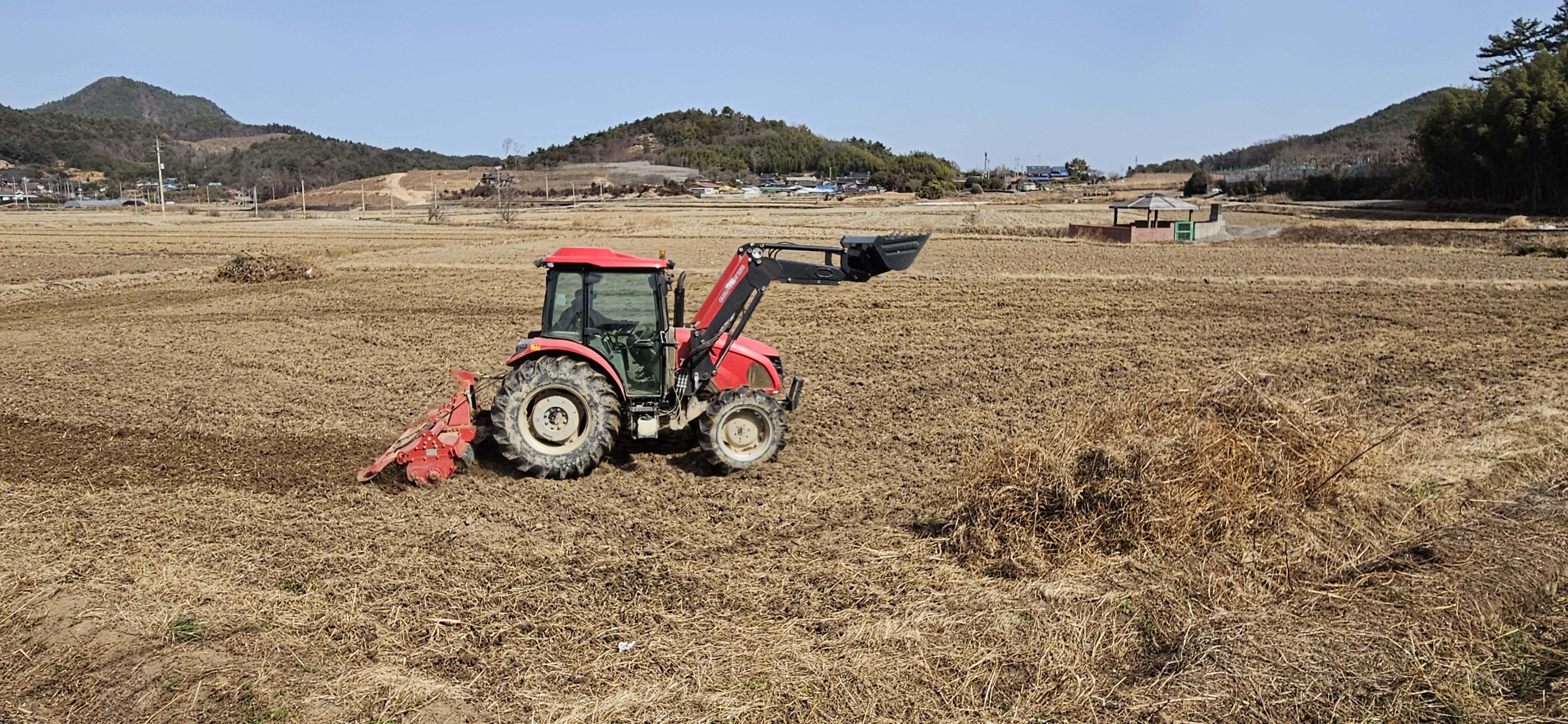
따 지(地), 밭, 다랑지, 개간, 일구다, 산두(벼)
1. 땅을 일구며 삶을 일으키다
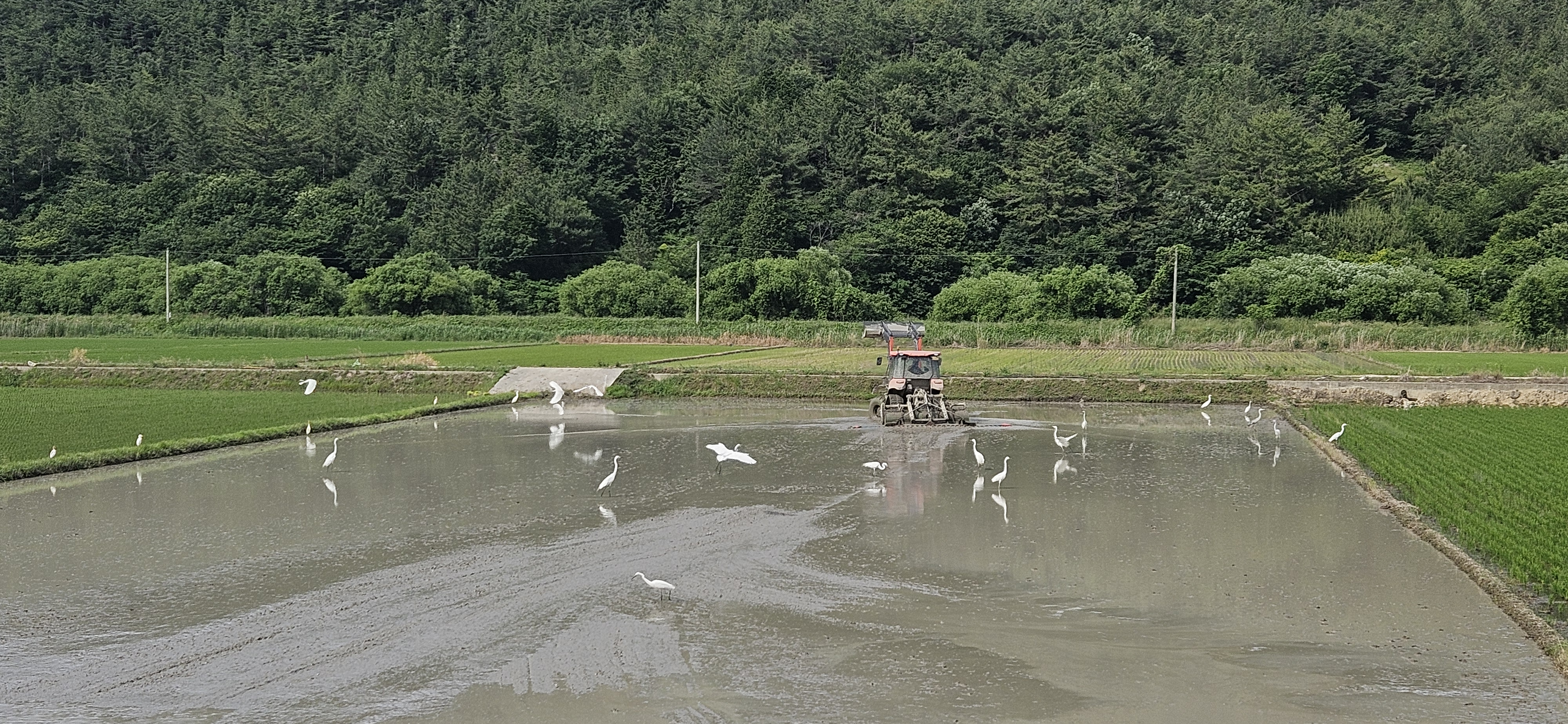
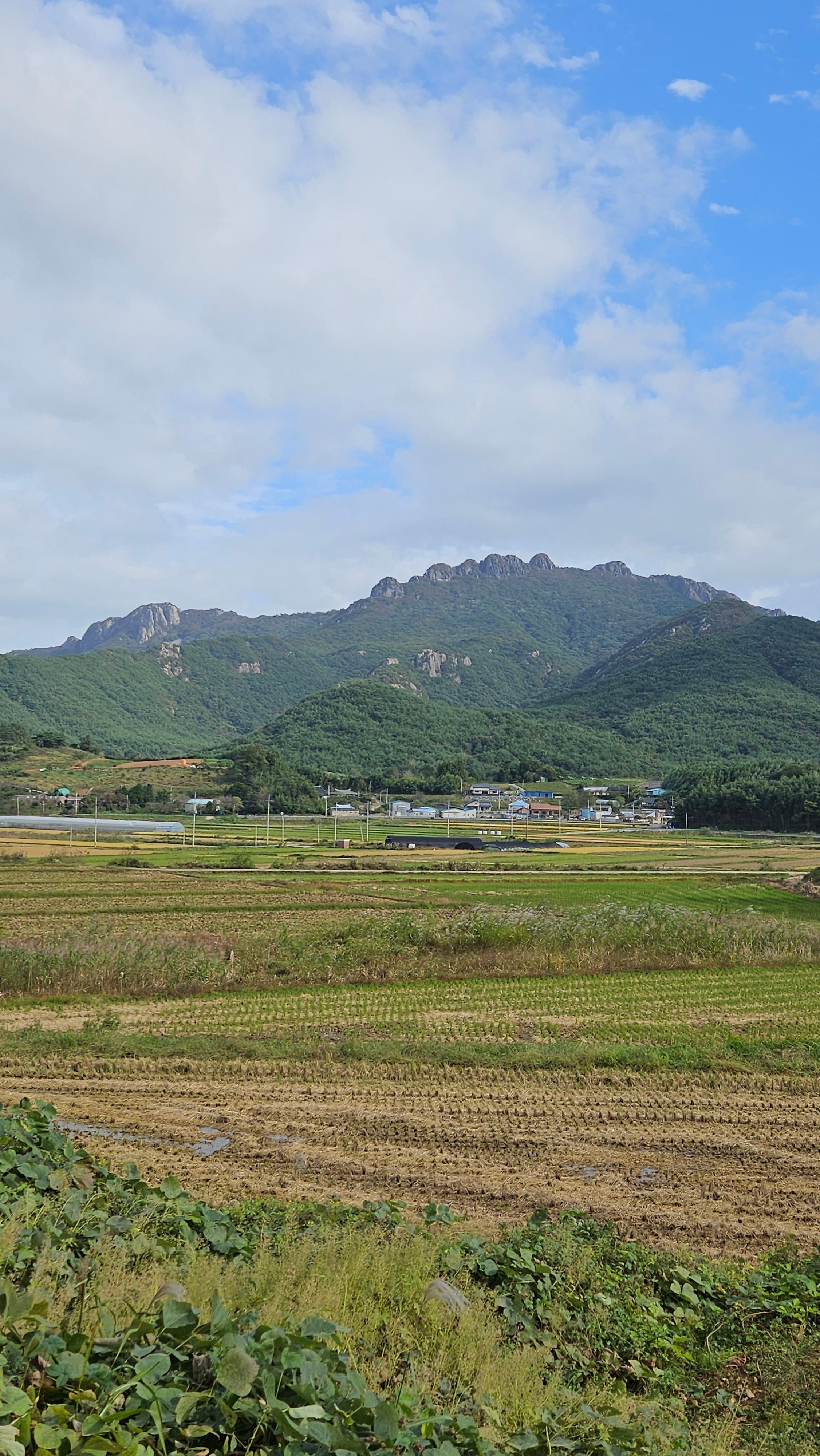
신록이 우거지고
산천초목이 푸른 숨결을 뿜어내는 5월이다.
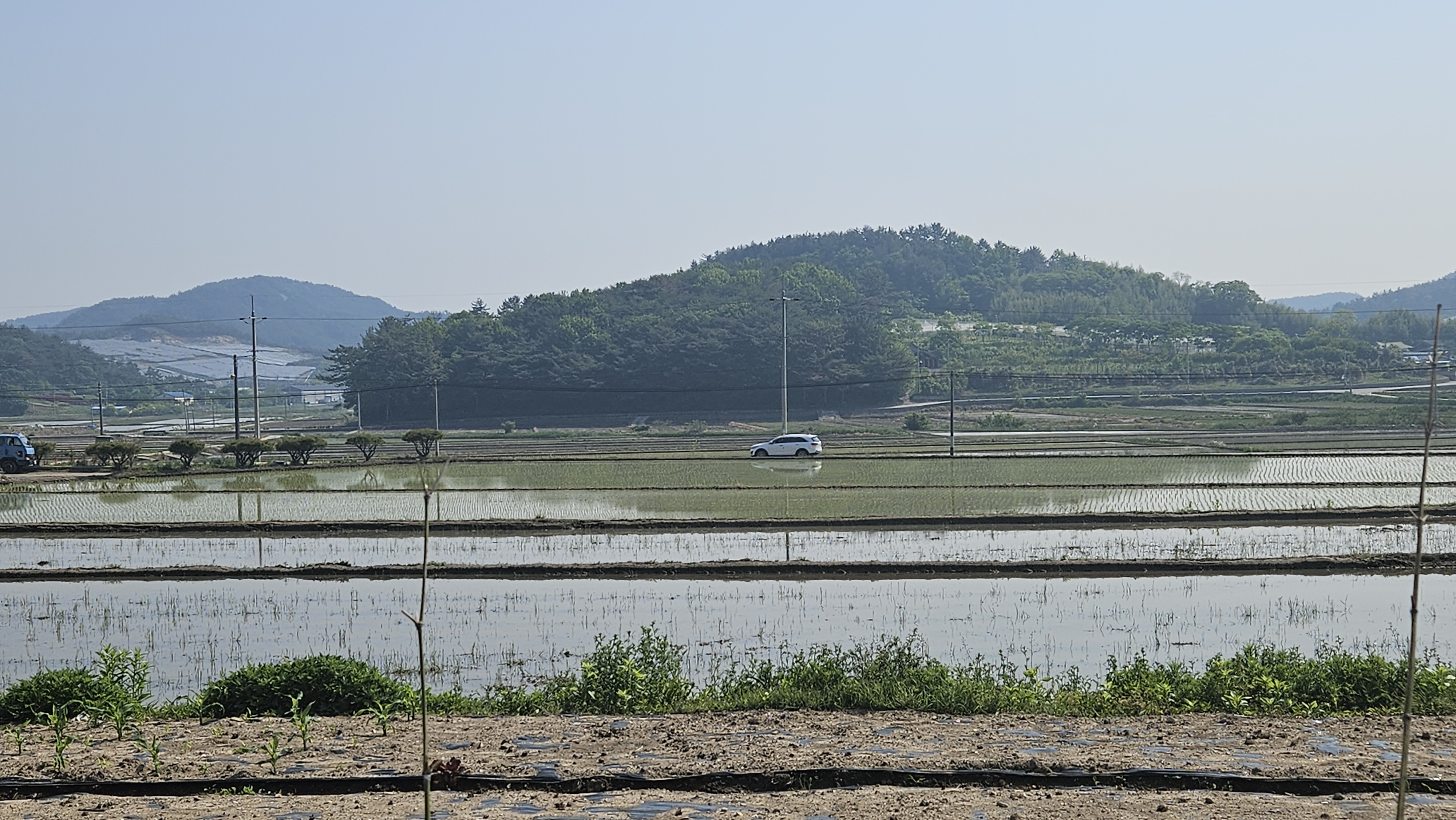
논에는 물이 오르고,
밭에는 고랑이 생기며,
사람들은 다시 호미와 삽을 들고 땅으로 향한다.
가을의 결실은
이미 이때부터 시작된다.
생명이 생명을 키우는
이 땅의 소중함이
그 어느 때보다 깊이 다가오는 계절이다.
동양에서는 예로부터
하늘과 땅과 사람을 하나로 보았다.
천지인(天地人).
사람은 하늘 아래 살아가지만
결국 땅을 딛고 선 존재이다.
우리의 눈은 늘 바깥을 향하지만,
정작 내가 서 있는 자리,
내 생명이 자라는 곳은 바로 이 땅이다.

2. ᄯᅡ — 땅, 삶의 근원
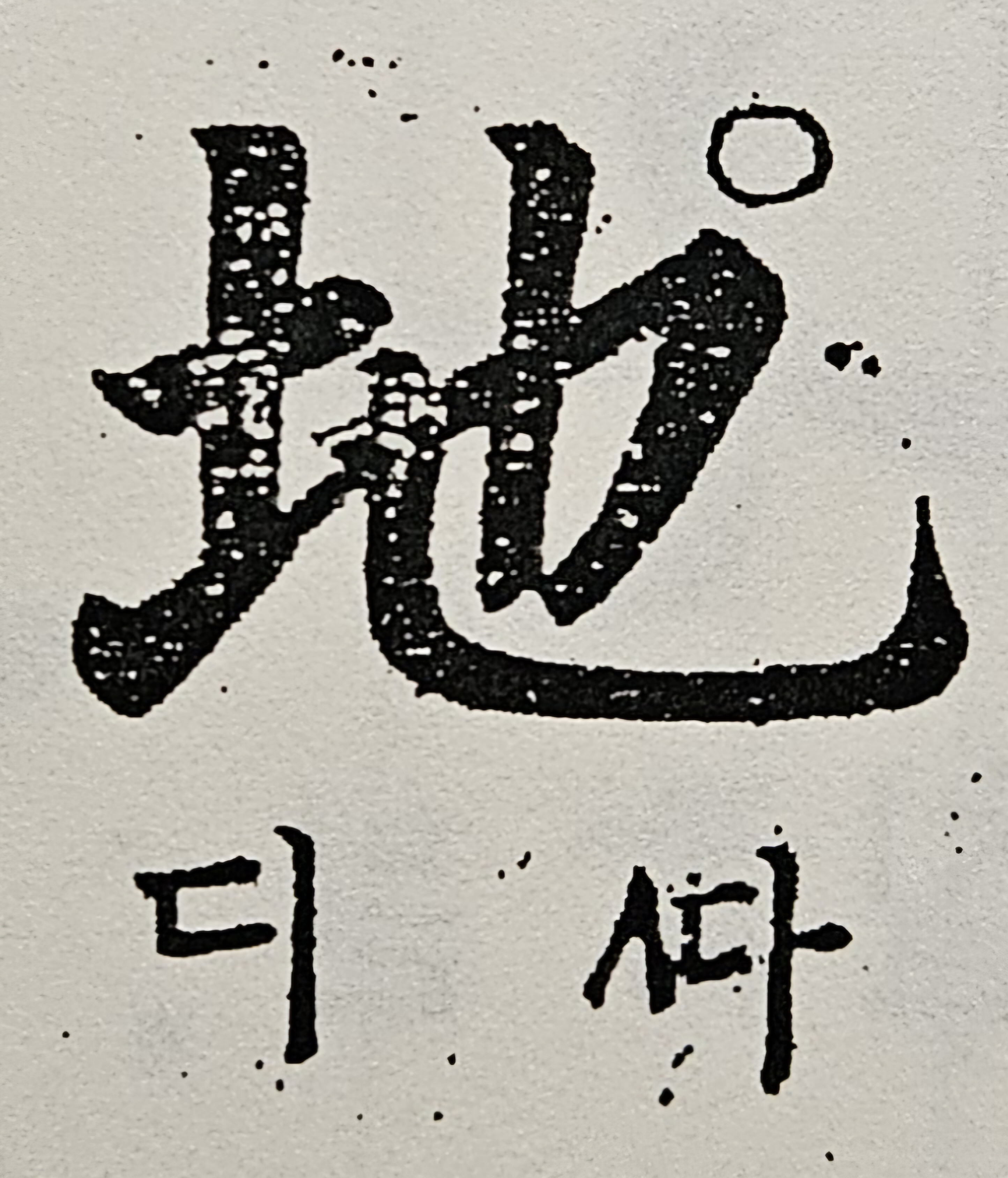
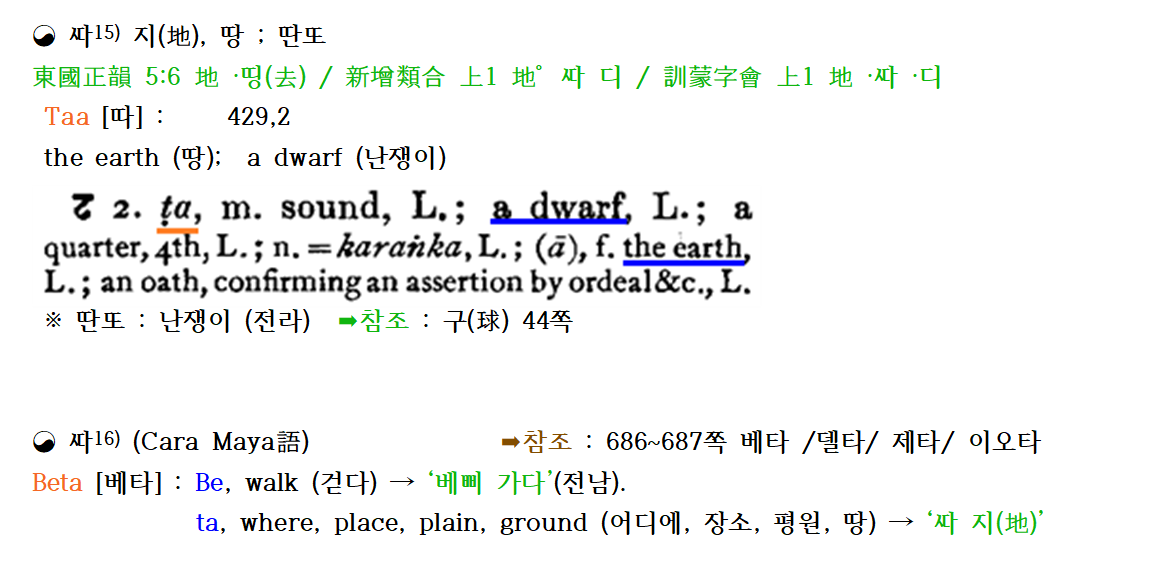
《동국정운》 에는 '띵'('ㅇ' 무음) ,
《신증유합》에는
地를 ‘ᄯᅡ 디’라고 적고 있다.
산스크리트어 Taa[따]는
‘땅’, ‘대지’를 뜻한다.
천자문에 '따 지'는 원래
'따 디'에서 왔다.
地의 옛말 ‘디’는 후대에 구개음화되어 ‘지(地)’가 되었다.
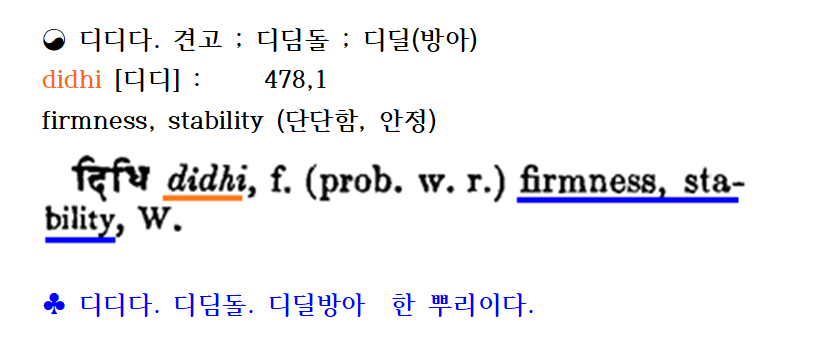
그리고 그 ‘디’는 오늘날에도 ‘디디다’, ‘딛다’, ‘디딤돌’, ‘디딜방아’ 속에 살아 남아 있다.
사람은 땅에서 태어나
땅을 딛고 살아가며
다시 땅으로 돌아간다.
그래서 농사는
단순히 곡식을 심는 일이 아니라
땅과 관계를 맺는 일이었다.
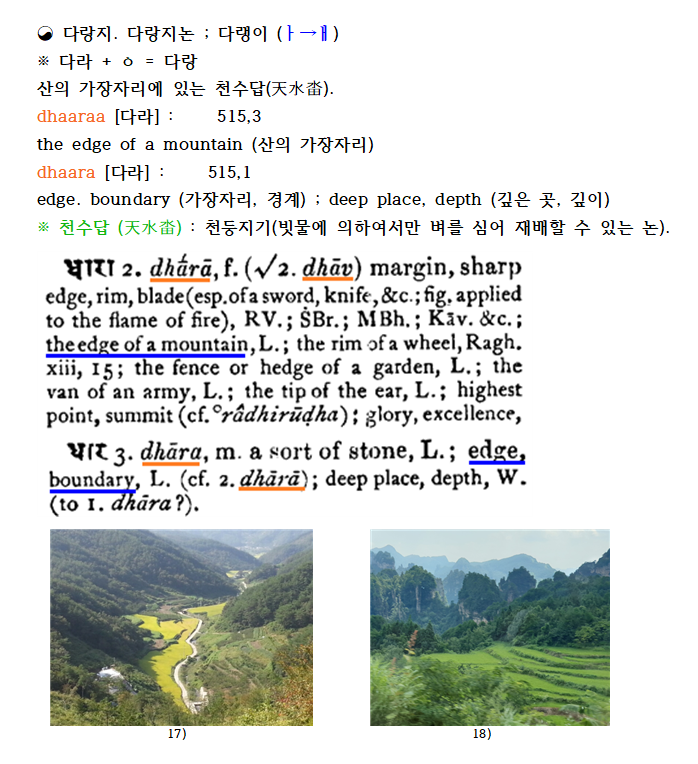
3. 다랑지 — 산의 가장자리를 일구다
다랑지논(다랭이논)은
산비탈을 따라 층층이 만든 천수답이다.
dhaaraa[다라]는
산의 가장자리(edge), 경계를 뜻한다.
벼랑 끝 한 뼘의 흙도 아까워
돌을 쌓고 흙을 다져
끝내 논을 만들었던 사람들.
그 이름 속에는
척박한 땅에서도 삶을 이어가려 했던
농경민의 숨결이 남아 있다.
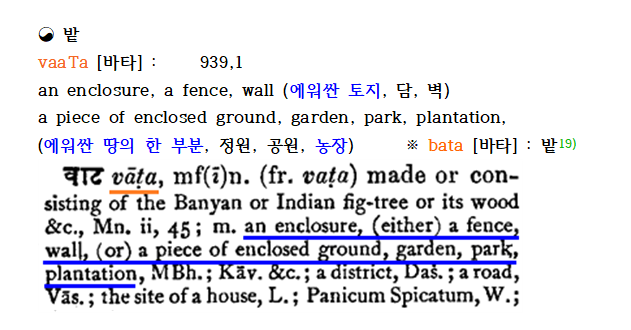
4. 밭 — 울타리를 친 삶의 터전
산스크리트어 vaaTa[바타]는
울타리 친 땅, 담으로 둘러싼 농장과 정원을 뜻한다.
거친 들판은
그냥 밭이 되지 않는다.
돌을 걷어내고,
칡넝쿨을 베어내고,
짐승이 들어오지 못하게 경계를 세워야
비로소 밭이 된다.
그래서 밭은
사람의 손길이 닿은 땅이었다.
5. 캐다 — 땅을 뒤집어 생명을 깨우다
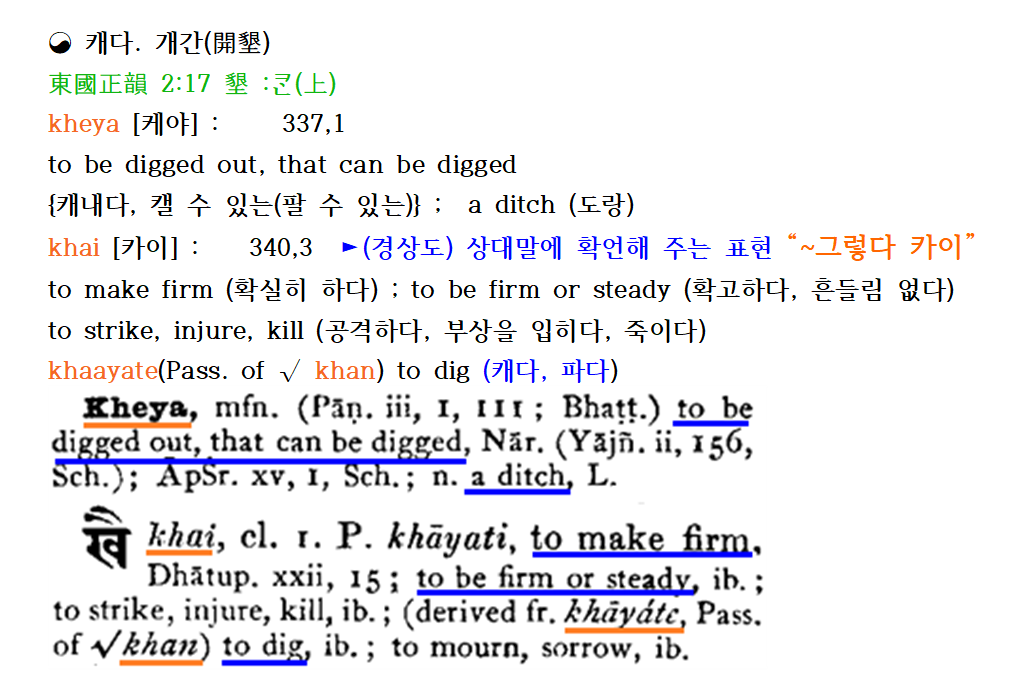
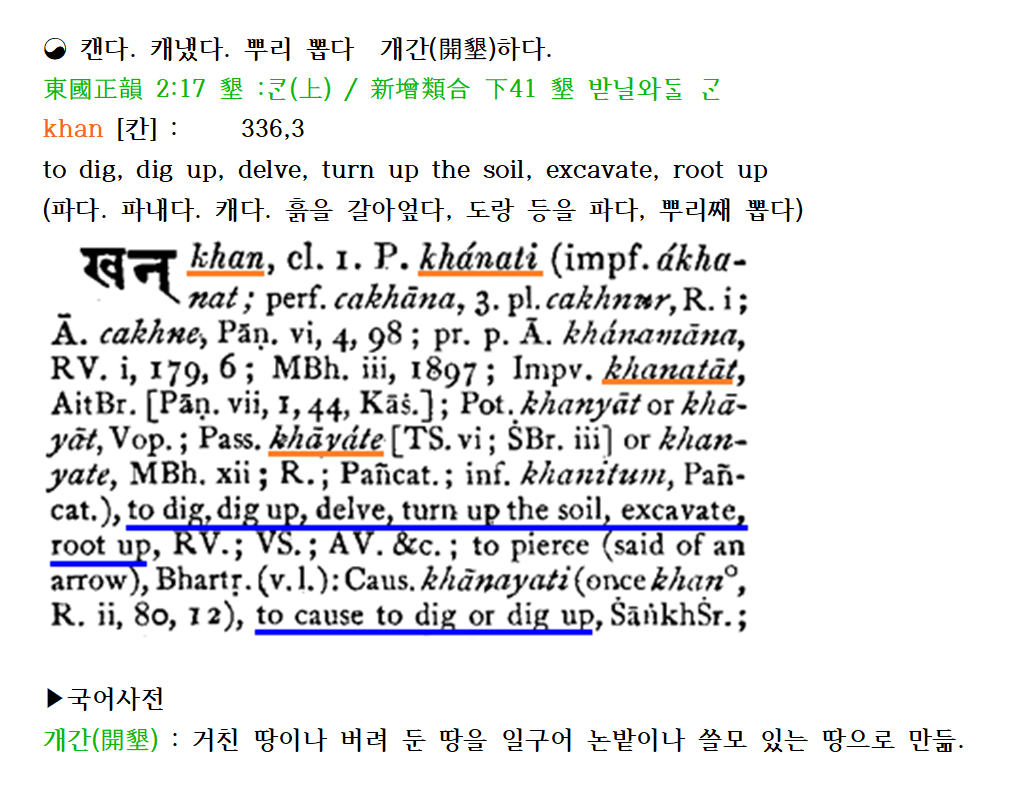
산스크리트어 khan[칸]은
파다, 캐다, 갈아엎다, 뿌리째 뽑다의 뜻을 가진다.
개간(開墾)은
거친 땅을 일구어
새로운 삶의 터전으로 바꾸는 일이다.
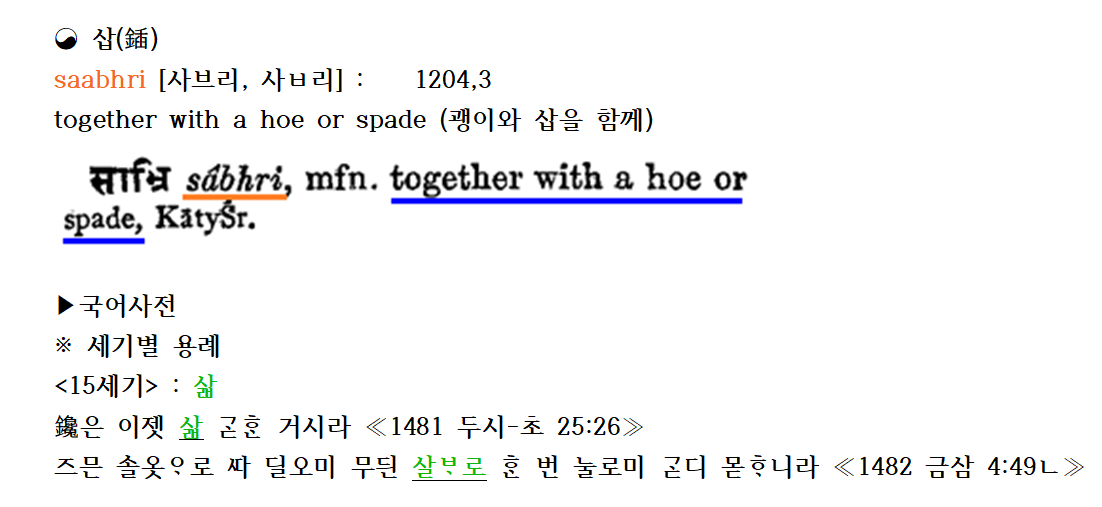
삽(khanitra)을 들고
돌을 캐내고,
칡뿌리를 뽑고,
도랑을 파며
사람은 황무지를 논밭으로 바꾸었다.
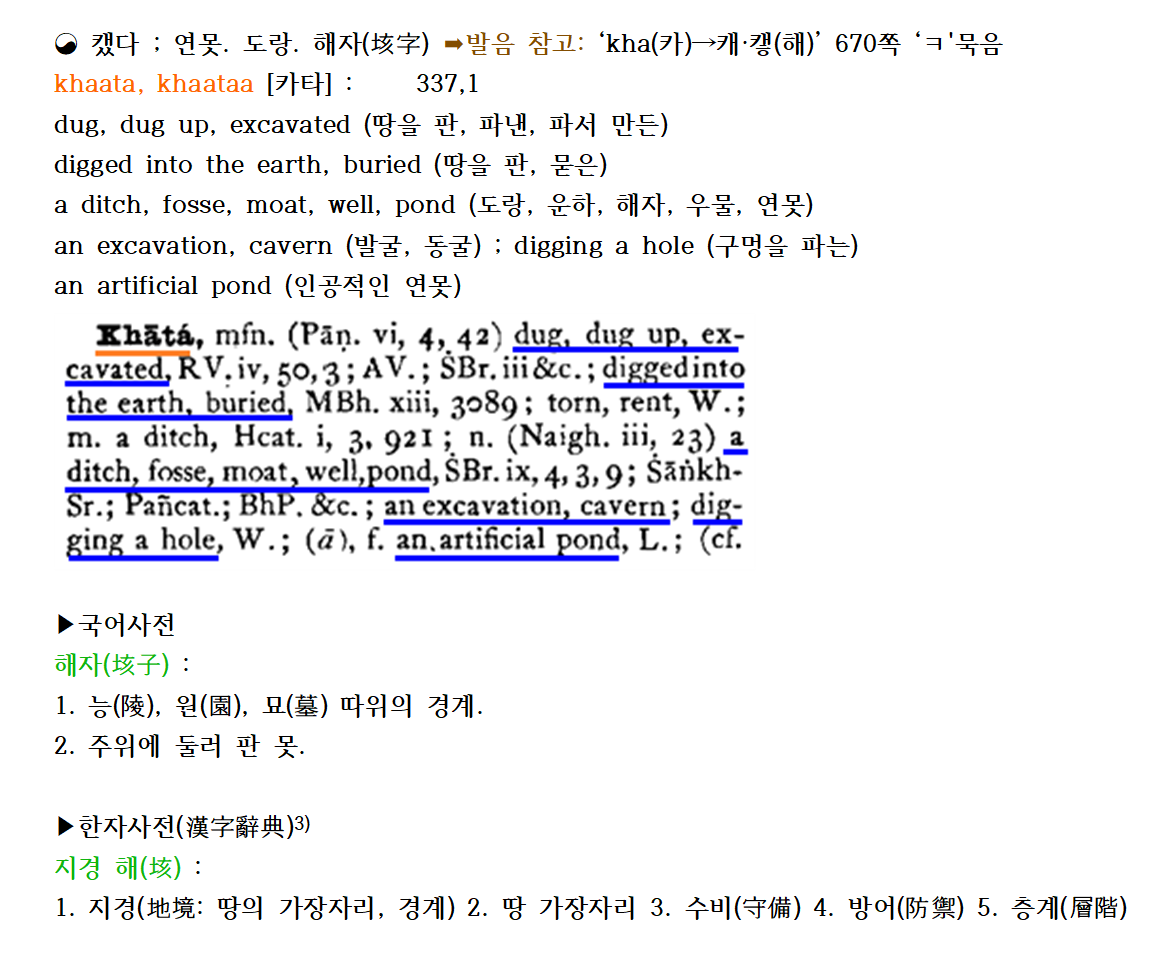
khaata[카타]는
도랑, 해자, 우물, 연못을 뜻한다.
농사는 결국
물을 다스리는 일이기도 했다.
카타 → 캤다 / 칸 → 캔 (ㅏ →ㅐ 모음변화)
6. 일다 — 생명을 일으키다
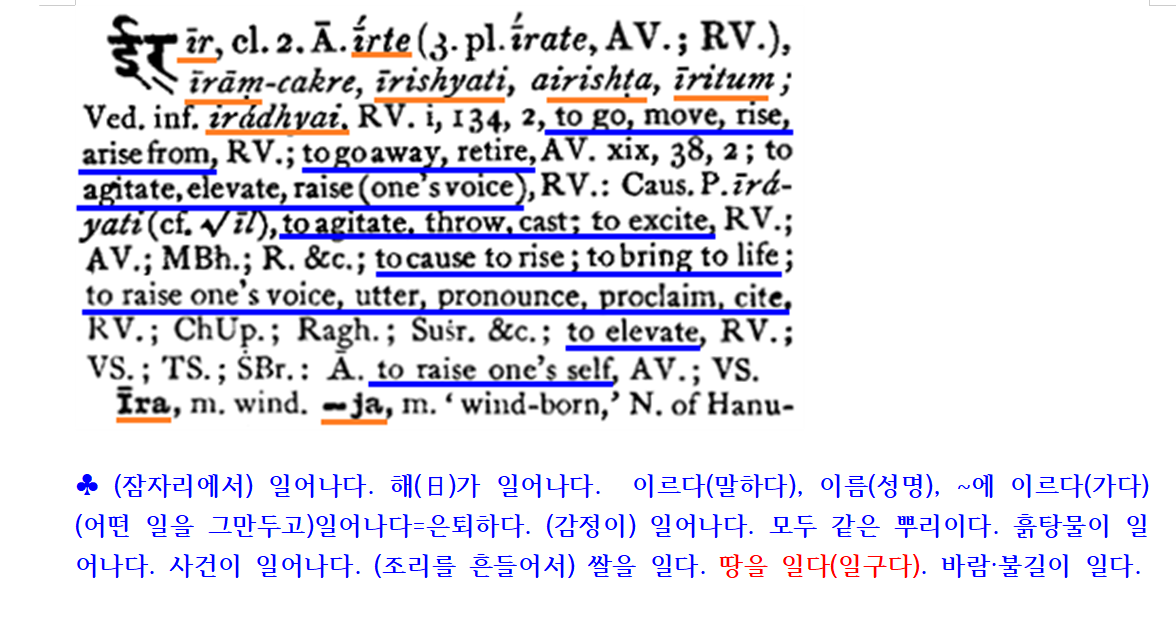
우리말 ‘일다’, ‘일어나다’, ‘일구다’는
같은 뿌리를 품고 있다.
산스크리트어 iir[이르]는
움직이다, 일어나다, 일으키다의 뜻을 가진다.
해가 일어나고,
바람이 일고,
물결이 일렁이며,
사람도 다시 일어난다.
흙을 일구는 일 역시
생명을 일으키는 일이었다.

7. 산두벼 — 흩뿌려 키운 생명
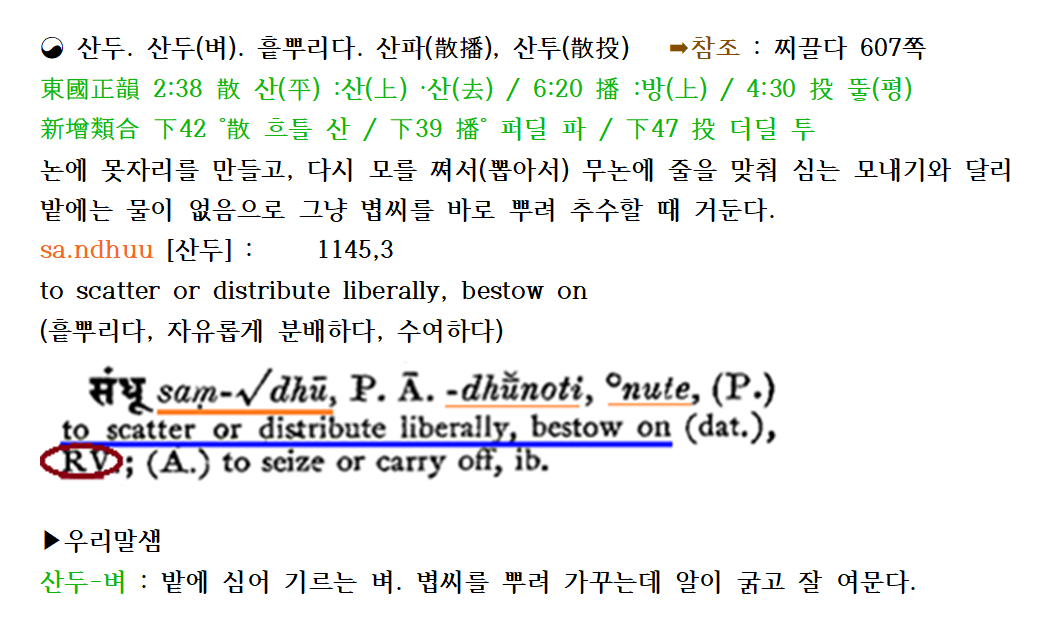
예전에는 논에 모를 심는 모내기뿐 아니라,
밭에 볍씨를 직접 뿌려 키우는 산두벼 농사도 있었다.
곧 밭벼가 산두벼다.
산스크리트어 sa.ndhuu[산두]는
흩뿌리다, 널리 퍼뜨리다의 뜻을 가진다.
밭에 볍씨를 흩뿌리고
비와 바람과 햇빛에 맡겨 자라게 하던 삶.
그 안에는
자연과 함께 살아가던
옛 농부들의 지혜가 담겨 있다.
농사는 단순히 씨를 뿌리는 일이 아니다.
땅을 딛고,
땅을 일구고,
물을 다스리며,
생명을 일으키는 일이다.
그리고 우리말 속에는
그 오래된 농경의 숨결과
사람들의 땀 냄새가
지금도 조용히 살아 숨 쉬고 있다.
땅을 '일구다'의 그 '일라'가
곧 다일라의 '일라'다.
●스스로 "나"를 사랑하고, 우리말과 역사를 사랑하는 모든 사람들에게 전달해 주십시오.
위 내용은 인터넷 주소창과 카톡에 아래와 같이 바로 입력하여 볼 수 있습니다.
www.다일라.한국/68
www.다일라.한국/61
www.다일라.한국/2
☆ 다 깨어 일어나라!!! 다일라!!! ☆ --대한민국 새로운 구호 제창
◈ ◈ ◈ ◈ ◈ ◈ ◈ ◈ ◈ ◈ ◈ ◈ ◈ ◈ ◈ ◈ ◈ ◈ ◈ ◈ ◈ ◈ ◈ ◈ ◈ ◈ ◈ ◈ ◈ ◈ ◈ ◈
Kim Seok-Hoon
Korean Etymology Researcher
Editor of Our Korean–Sanskrit Etymological Dictionary
Genealogical & Historical Lineage Researcher
Compiler of the scroll The Genealogical History of Humanity from the Heavenly Emperor Hwan-State and Joseon
■ The Land of Life, Tilling the Fields
— Korean and Sanskrit Etymologies Related to Farming
Tta-Ji (Land/Earth), Bat (Field), Darangji (Terraced Field), Gaegan (Reclamation), Ilguda (To Till), Sandu (Upland Rice)
1. Tilling the Earth, Awakening Life
It is May, a season when fresh greenery grows lush
and all of nature breathes a vibrant, emerald breath.
Water rises in the rice paddies,
furrows are carved into the dry fields,
and people head back to the earth, hoes and shovels in hand.
The autumn harvest, in truth,
begins at this very moment.
In this season, the preciousness of this earth
—where life nurtures life—
resonates more deeply than ever.
Since ancient times, Eastern philosophy has viewed
Heaven, Earth, and Humanity as one.
Cheon-Ji-In (Heaven, Earth, and Humanity).
Though humans live under the sky,
we are ultimately beings who stand upon the earth.
Our eyes are constantly drawn to the world outside,
yet the very place where we stand,
the place where our life thrives, is right here on this earth.
2. ᄯᅡ (Tta) — Earth, the Root of Life
In Dongguk Jeongun and Sinjeungyuhap,
the Chinese character 地 (Earth) is recorded as “Tta Di.”
The Sanskrit word Taa [따]
means "earth" or "the great land."
The character for earth, “Tta-Ji,” found in the Thousand-Character Classic,
originally comes from “Tta-Di.”
The ancient word “Di” underwent palatalization in later generations to become “Ji” (地).
Yet, that original “Di” still lives on today in modern Korean words like
Didida (to step on), Ditda (to tread), Didimdol (stepping stone), and Didilbang-a (treadmill grain mortar).
Humans are born from the earth,
live by treading (didida) upon the earth,
and eventually return to the earth.
Thus, farming was never merely about planting crops;
it was about forming a sacred relationship with the land.
3. Darangji — Tilling the Edges of the Mountain
A Darangji-non (terraced rice paddy)
is a rain-fed paddy (cheonsudap) carved step by step along mountain slopes.
The Sanskrit word dhaaraa [다라]
means the edge or boundary of a mountain.
Grudging even a single span of soil on the edge of a cliff,
our ancestors piled stones and packed the earth
to ultimately create rice fields.
Within that name lies the living breath of agrarian people
who strove to sustain life even in the most barren of lands.
4. Bat — A Field, the Bastion of a Sheltered Life
The Sanskrit word vaaTa [바타]
refers to an enclosed plot of land, a walled orchard, or a garden.
A wild, untamed field does not become a Bat (cultivated field) on its own.
One must clear away the stones,
cut down the wild vines,
and set up boundaries to keep wild beasts away
before it can truly become a field.
Therefore, a Bat was land that had been embraced by human hands.
5. Caeda (To Dig/Reclaim) — Overturning the Earth to Awaken Life
The Sanskrit root khan [칸]
carries the meanings of digging, scooping, turning over soil, and uprooting.
Gaegan (reclamation)
is the act of tilling wild, abandoned land
to transform it into a new cradle for life.
Holding a shovel (khanitra),
unearthing stones,
uprooting kudzu vines,
and digging ditches,
humans transformed the wilderness into fertile fields.
The word khaata [카타]
means a ditch, a moat, a well, or a pond.
Farming, in the end, was also the art of mastering water.
Khaata [카타] Catta [캤다] (dug/unearthed) (reflecting the 'a' to 'ae' vowel shift)
6. Ilda — To Raise Life
The native Korean words Ilda (to rise/churn), Ireonada (to wake/arise), and Ilguda (to till/cultivate)
all share the exact same root.
The Sanskrit word iir [이르]
means to move, to rise, or to cause to rise.
The sun rises (ilda),
the wind rises (ilda),
the waves churn (illeong-ida),
and humanity, too, rises again.
The act of tilling (ilguda) the soil
was, fundamentally, the act of raising life.
7. Sandubyeo — Life Grown by Scattering
In the past, farming did not only consist of Monaegi (transplanting rice seedlings into wet paddies);
there was also Sandubyeo farming, where rice seeds were sown directly into dry fields.
In other words, upland field rice is Sandubyeo.
The Sanskrit word sa.ndhuu [산두]
means to scatter or distribute liberally.
A life of scattering rice seeds across a dry field
and leaving them to grow at the mercy of the rain, the wind, and the sun—
within that practice
lies the profound wisdom of ancient farmers who lived in harmony with nature.
Farming is not merely the act of casting seeds into the dirt.
It is treading upon the earth,
tilling the land,
mastering the waters,
and raising life from the ground.
And within the very fabric of the Korean language,
the ancient breath of agriculture
and the honest sweat of our ancestors
still quietly pulse and live on today.
The word 'Illa' in 'Ilguda' (to till the land)
is the very same 'Illa' found in 'Da-illa' (to arise/awaken).
☆ 다 깨어 일어나라!!! 다일라!!! ☆ --대한민국 새로운 구호 제창
김석훈 | 우리말 뿌리연구가, 『우리말 범어사전』 편저자 | 역사계보 족보연구가, 『천제환국조선인류역사계보 』 두루마리 편 | '다일라 운동' 주창 대한민국 새로운 구호 제창 다일라!!! 다 깨
www.xn--2j1b40gc5q.xn--3e0b707e
다일라! - 대한민국 정신적 좌표
김석훈 | 우리말 뿌리연구가, 『우리말 범어사전』 편저자 | 역사계보 족보연구가, 『천제환국조선인류역사계보 』 두루마리 편 | '다일라 운동' 주창 다일라!!! 다 + 일라 다 깨어 일어나라다일
www.xn--2j1b40gc5q.xn--3e0b707e