영돈녕공 김준(金遵) 구치잠(九恥箴)
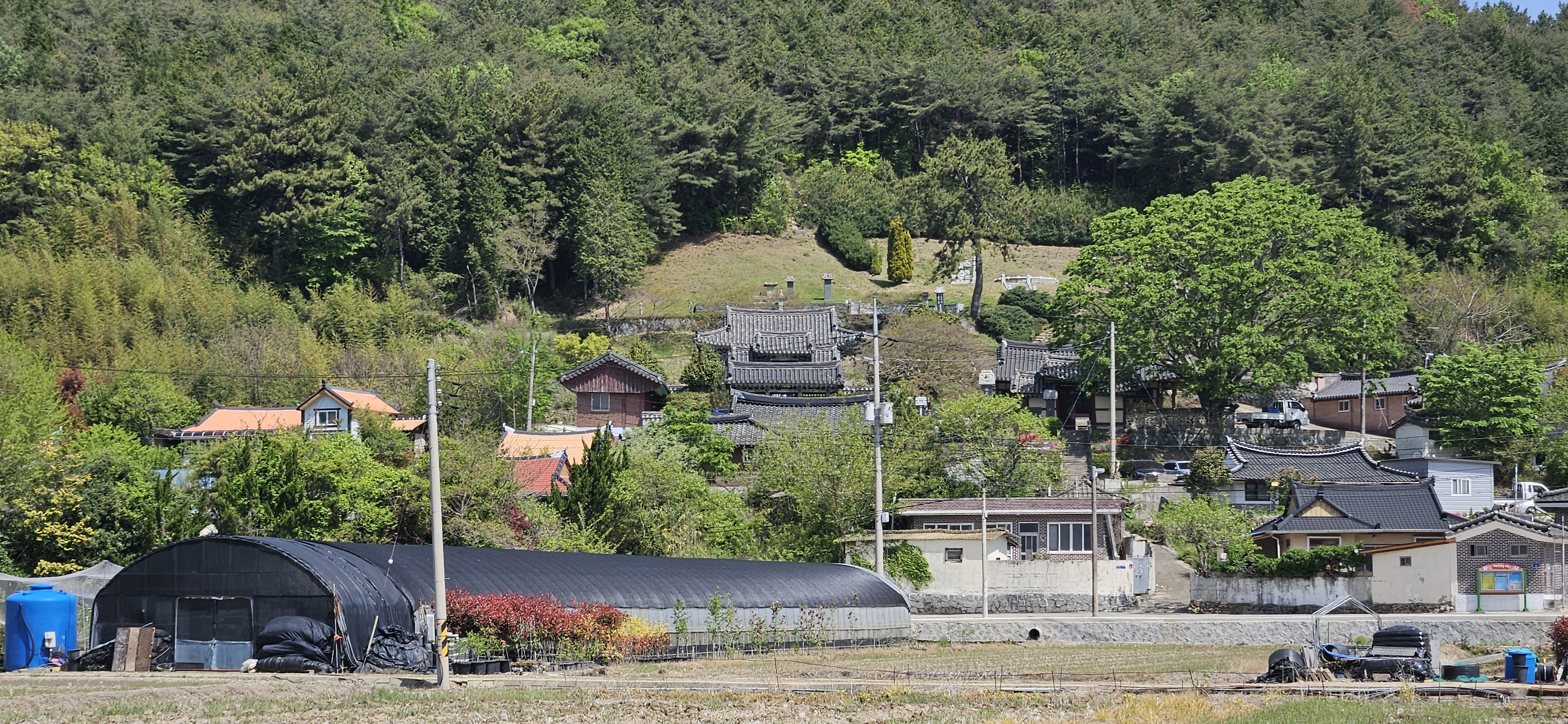
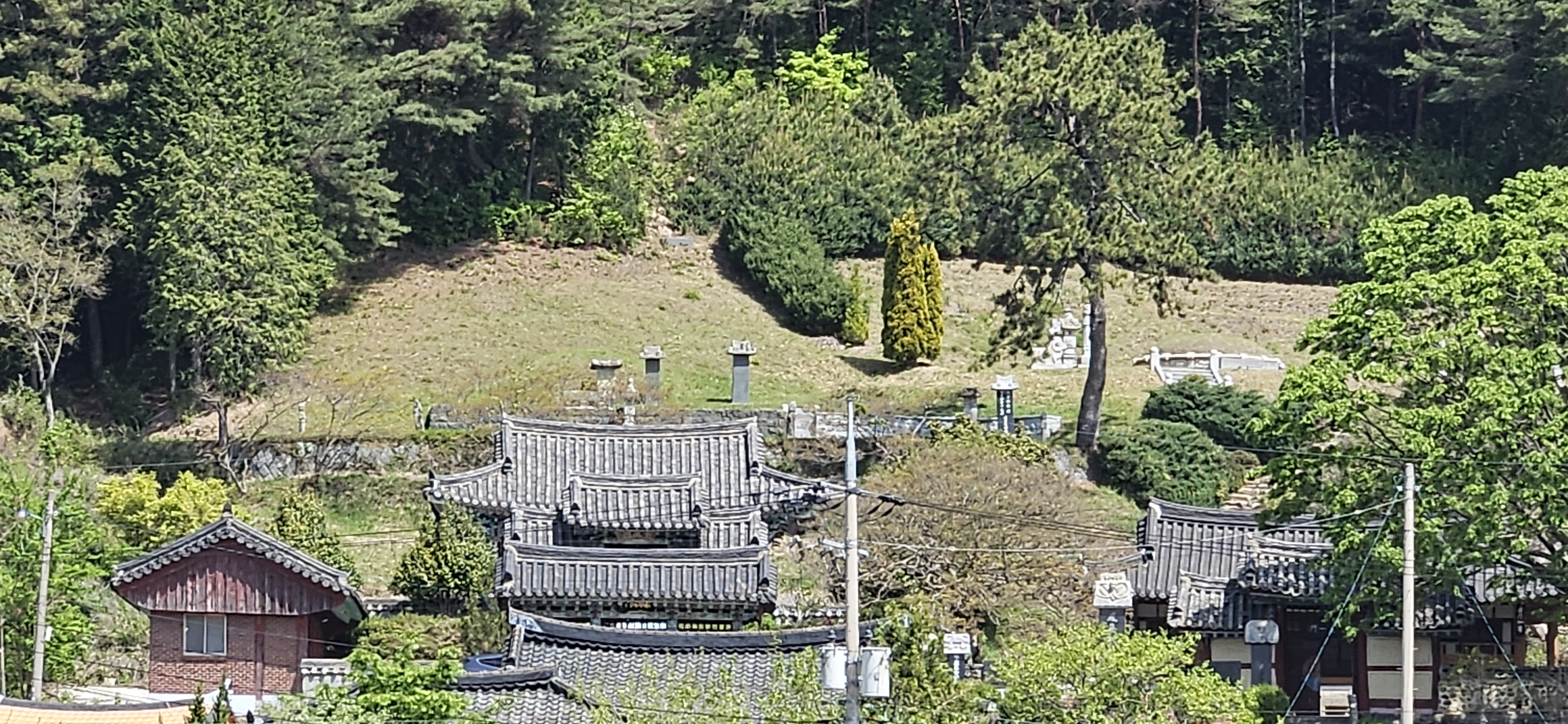
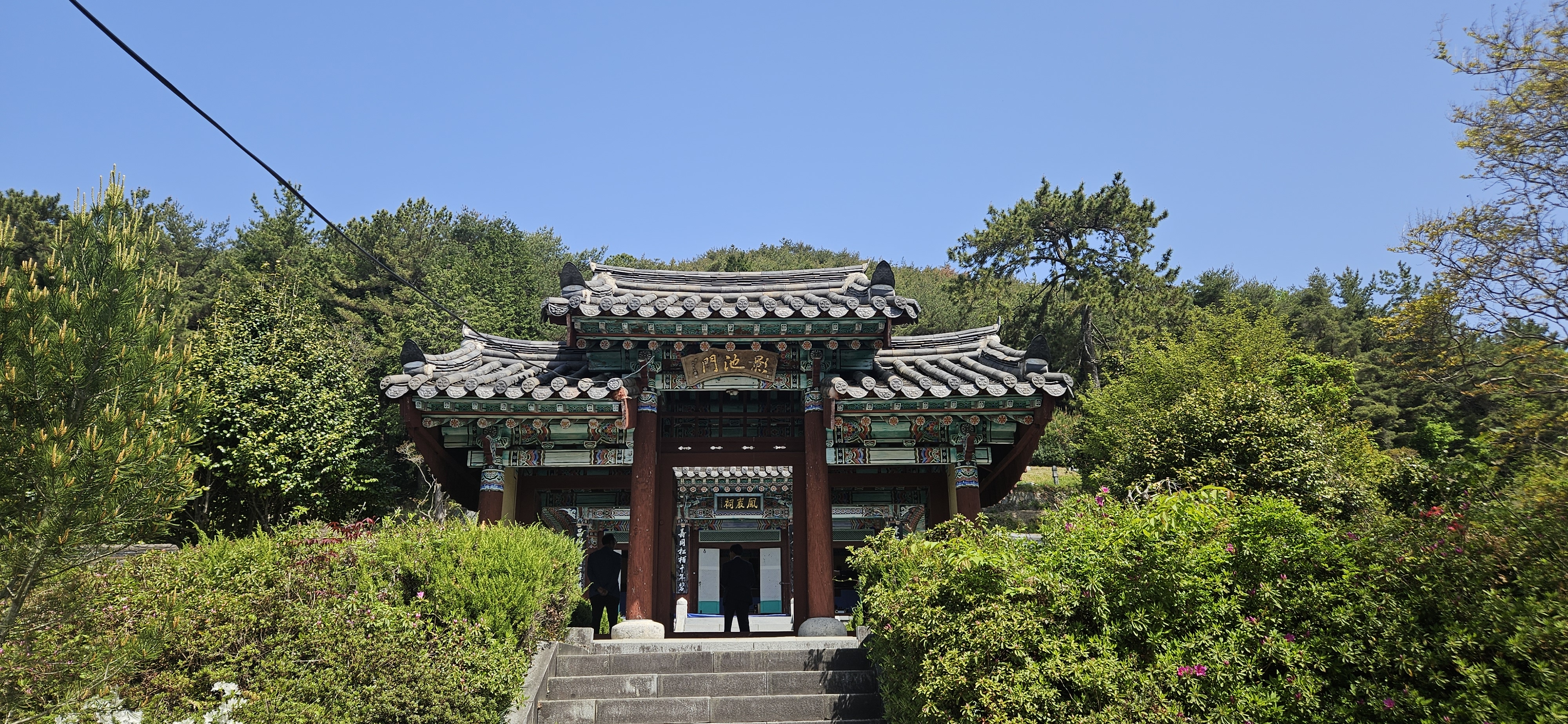
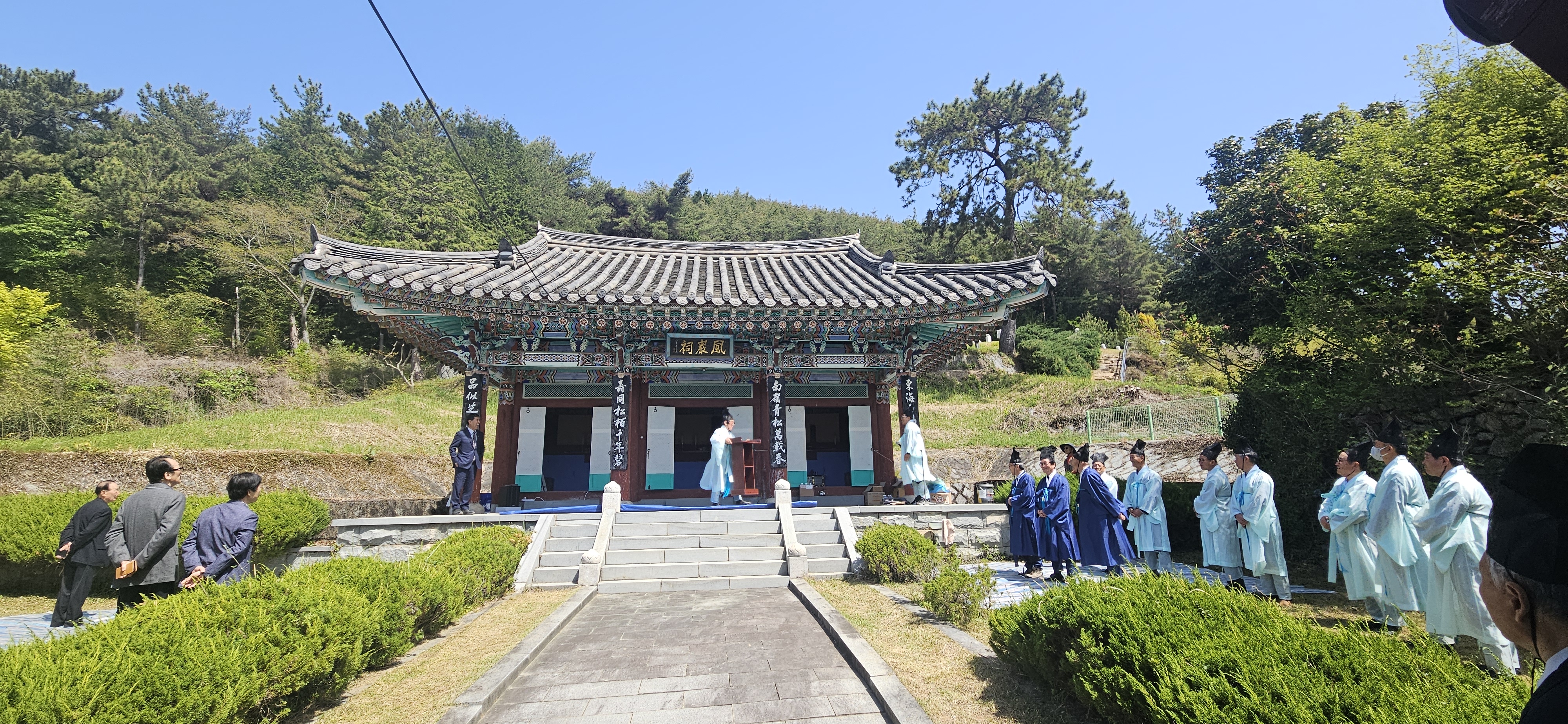
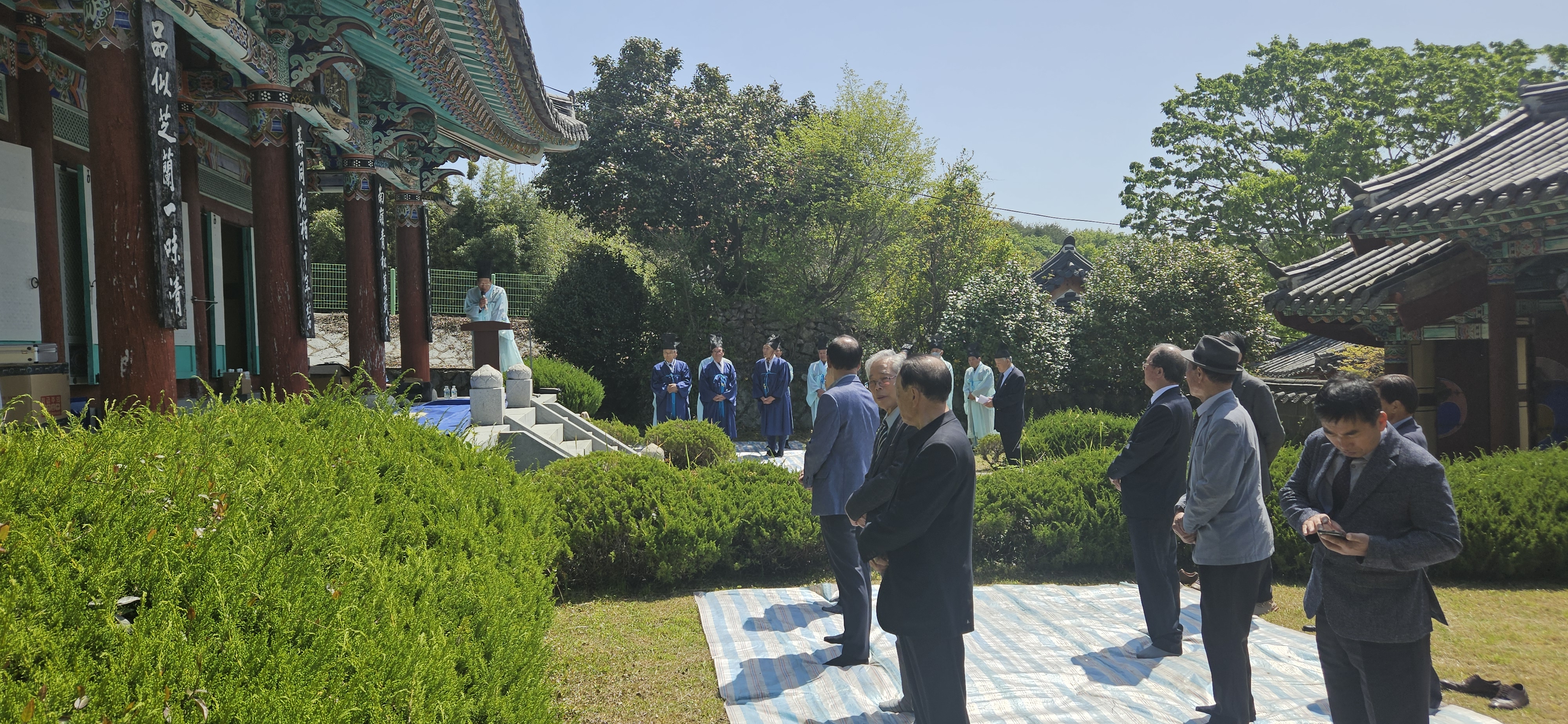
2026. 4. 24 (음력 3. 8)은 鳳巖祀와 二如齋에서 春祭가 있는 날입니다.
1.영돈녕공 유적지 및 배경 설명
영돈녕공(김준)은 관직을 떠나 낙향하여 머물던 곳의 풍경과 글을 쓰게 된 배경을 설명합니다.
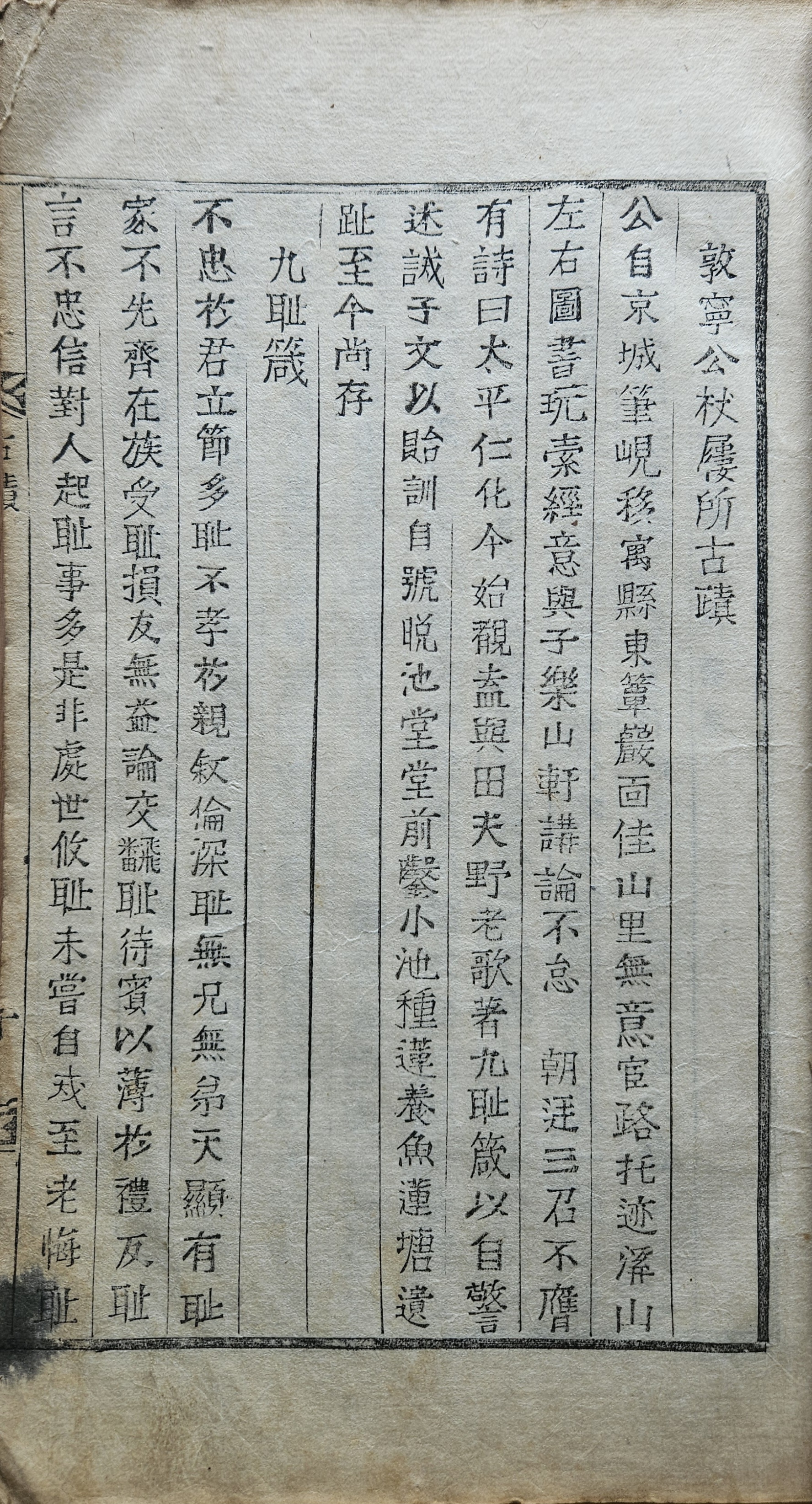
敦寧公杖屨所古蹟 (돈녕공장구소고적)
公自京城筆峴移寓縣東簟巖面佳山里 (공자경성필현이우현동점암면가산리)
無意官路托迹澤山 (무의관로탁적택산)
左右圖書玩索經意與子樂山軒講論不怠 (좌우도서완색경의여자요산헌강론불태)
朝廷三召不膺有詩曰 (조정삼소불응유시왈)
太平仁化今始觀盡與田夫野老歌 (태평인화금시관진여전부야로가)
著九恥箴以自警述戒子文以貽訓 (저구치잠이자경술계자문이이훈)
自號晩池堂堂前鑿小池種蓮養魚蓮塘遺趾至今尙存 (자호탈지당당전착소지종련양어련당유지지금상존)
돈녕공께서 지팡이 짚고 짚신 신으며 거닐던 옛 유적지이다.
공(김준)께서는 한양의 필동(필현)으로부터 고을 동쪽 점암면 가산리로 거처를 옮겨 사셨다.
벼슬길에 뜻을 두지 않고 산과 연못에 발자취를 의탁하셨다.
좌우에는 책을 두고 경전의 뜻을 깊이 찾으셨으며,
아들과 함께 산을 좋아하며 서재에서 강론하기를 게을리하지 않으셨다.
조정에서 세 차례나 불렀으나* 응하지 않으셨고 시를 지어 이르기를
"태평하고 어진 삶의 감응를 이제야 다 보겠노라" 하며 농부나 시골 노인들과 함께 노래하셨다.
구치잠을 지어 스스로를 경계하셨고, 계자문을 기술하여 자손을 위해 교훈으로 남기셨다.
스스로 '만지당'이라 호를 지으셨는데, 집 앞에 작은 못을 파서 연꽃을 심고 물고기를 기르셨으니
그 연못의 흔적이 지금까지도 남아 있다.
註 * 세조가 공에게 좌의정을 세 번 청한 일
2. 구치잠 (九恥箴)
'아홉 가지 부끄러움에 대한 경계'라는 뜻으로, 인간으로서 도리에 어긋나는 행동을 경계한 글입니다.
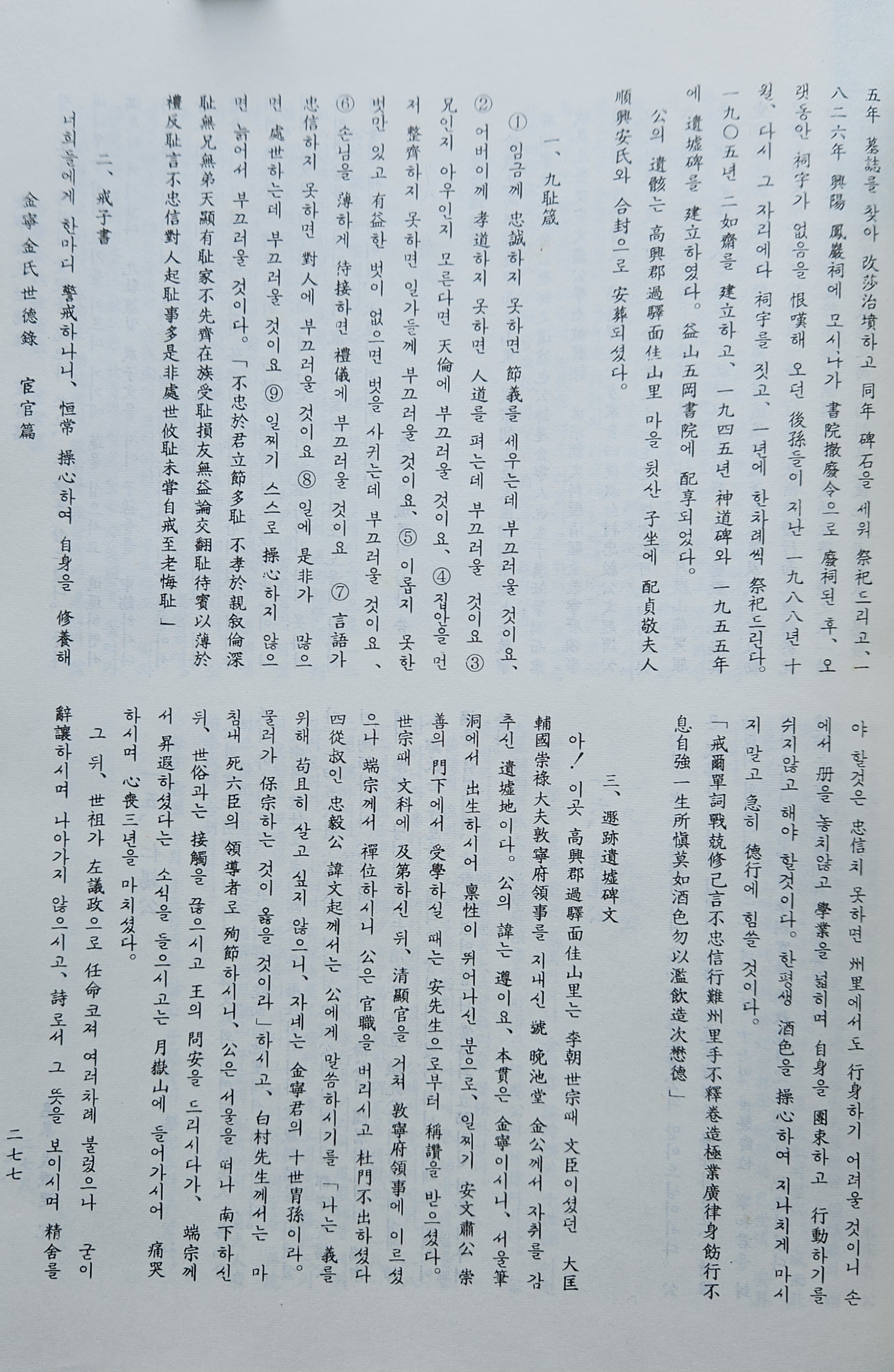
不忠於君 立節多恥
임금(나라)에 충성하지 못하면 절의를 세우는데 부끄러울 것이요
不孝於親 舒倫深恥
어버이께 효도하지 못하면 인도를 펴는데 부끄러울 것이요
無兄無弟 天顯有恥
형인지 아우인지 모른다면 천륜에 부끄러울 것이요
家不先齊 在族受恥
집안을 먼저 정제하지 못하면 일가들께 부끄러울 것이요
損友無益 論交翻恥
이롭지 못한 벗만 있고 유익한 벗이 없으면 벗을 사귀는데 부끄러울 것이요
待賓以薄 於禮反恥
손님을 박하게 대접하면 예의에 부끄러울 것이요
言不忠信 對人起恥
언어가 충신하지 못하면 사람을 대함에 부끄러울 것이요
事多是非 處世攸恥
일에 시비가 많으면 처세하는데 부끄러울 것이요
未嘗自戒 至老悔恥
일찍이 스스로 조심하지 않으면 늙어서 부끄러울 것이다
김문기–김준 관계
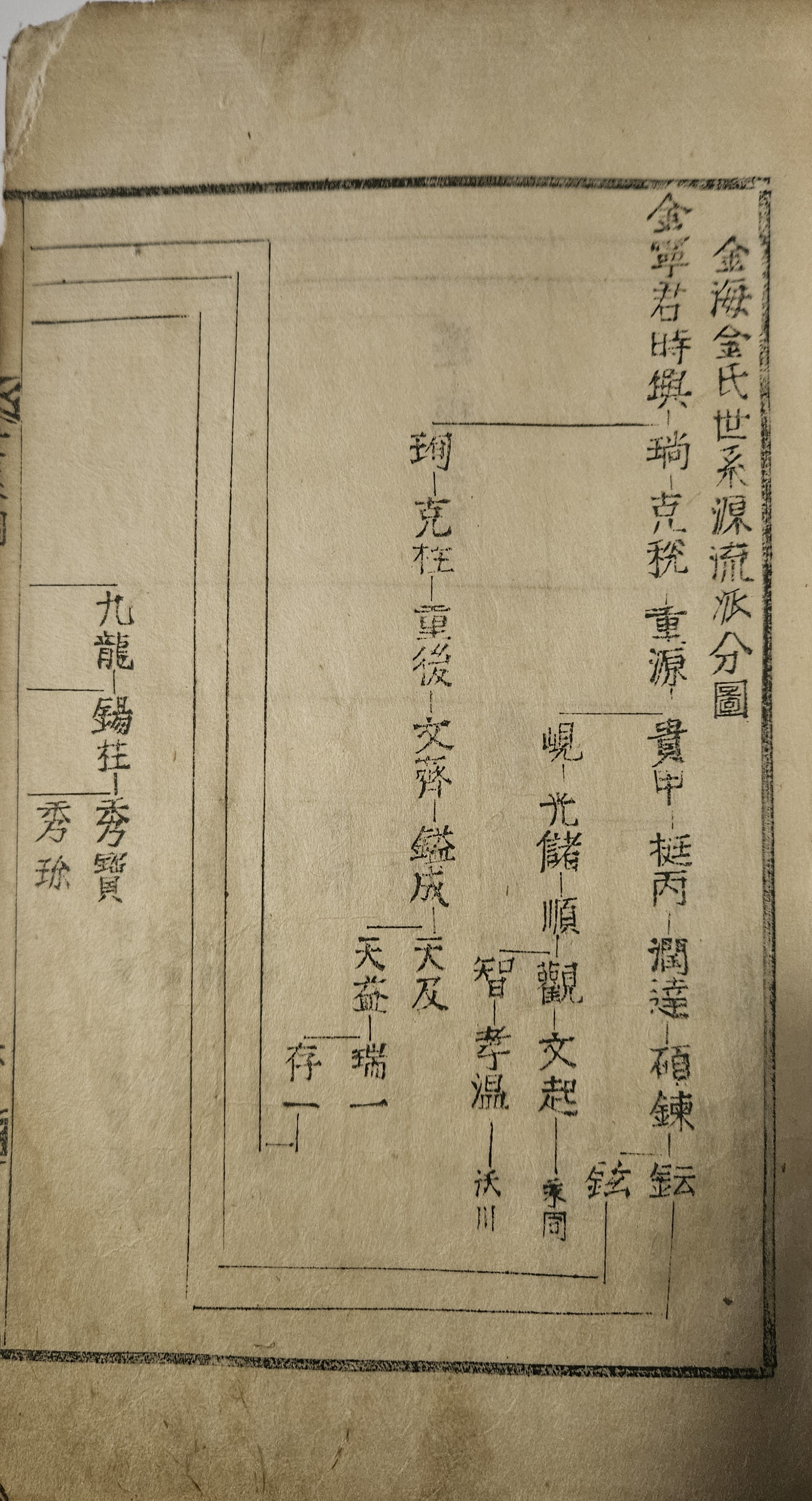
김문기(金文起)는 세조의 왕위 찬탈에 맞서 단종 복위를 도모하다가
군사 총책임의 위치에서 사육신과 함께 거사를 준비하였으나,
김질 등의 밀고로 발각되어 결국 거열형(車裂刑)으로 순절한 충신이다.
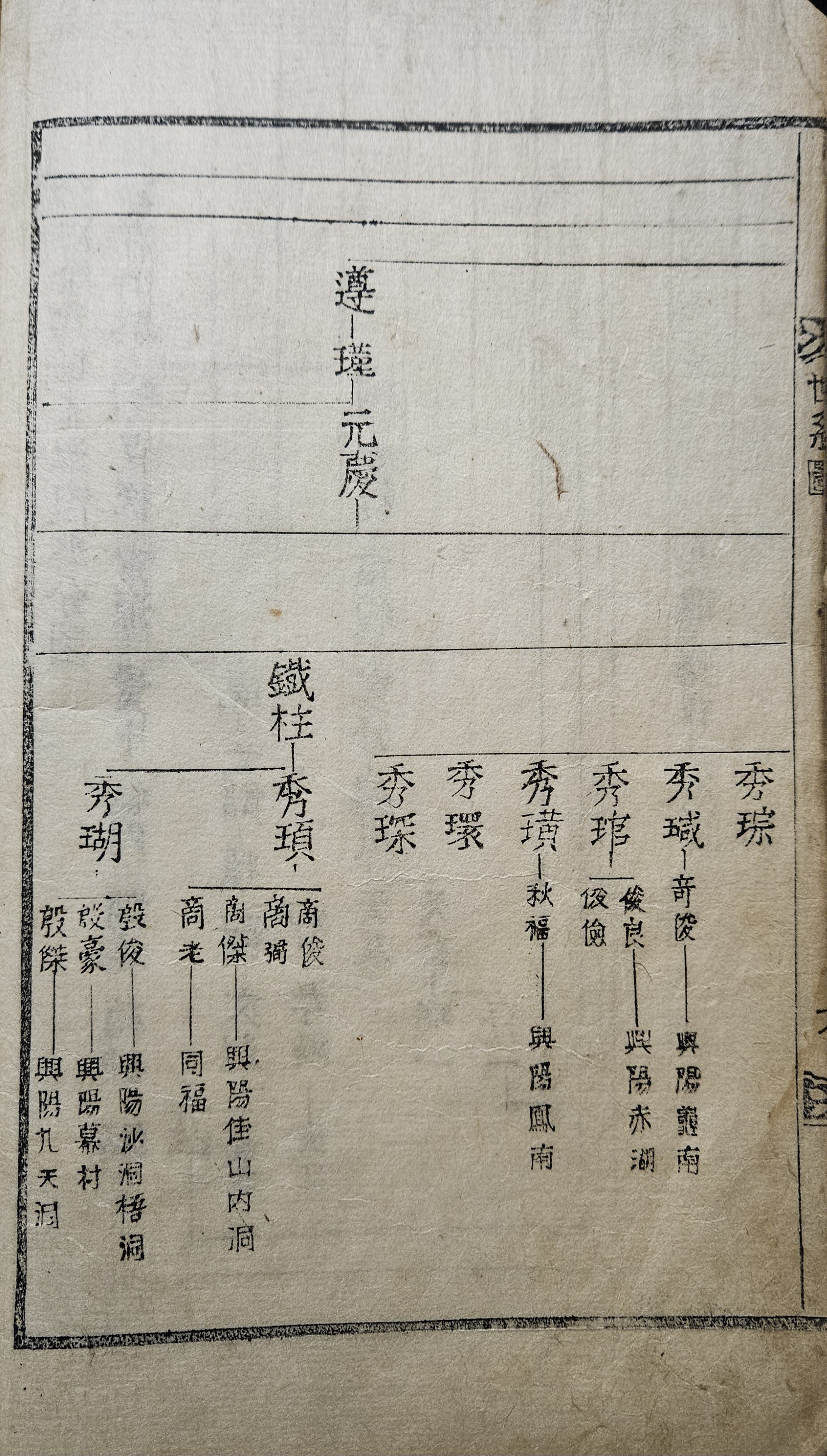
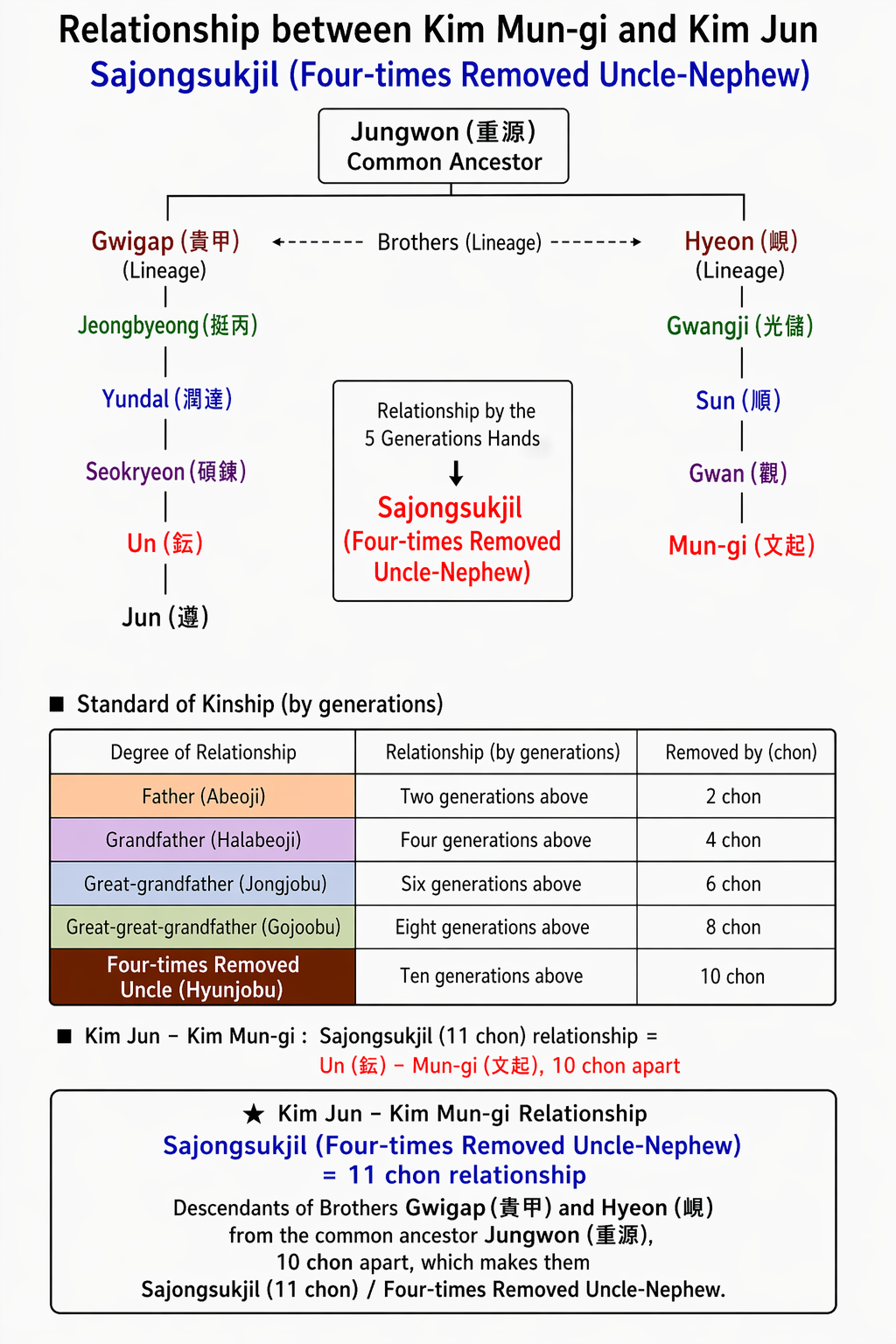
김준(金準)은 그의 사종숙질(四從叔姪) 관계로,
정국의 급변 속에서 스승이자 장인인 문숙공(文肅公) 안숭선(安崇善)이 현감으로 있던
전남 흥양(고흥)으로 내려와 후학을 양성하였고, 김녕김씨 영돈녕공파 입향조가 되었다.
이로써 이 가문은
임진왜란 때에 전라좌수영 20여 명의 장수를 배출한,
문(文)과 무(武)가 함께 이어진 드문 충절의 가문으로 자리하게 되었다.
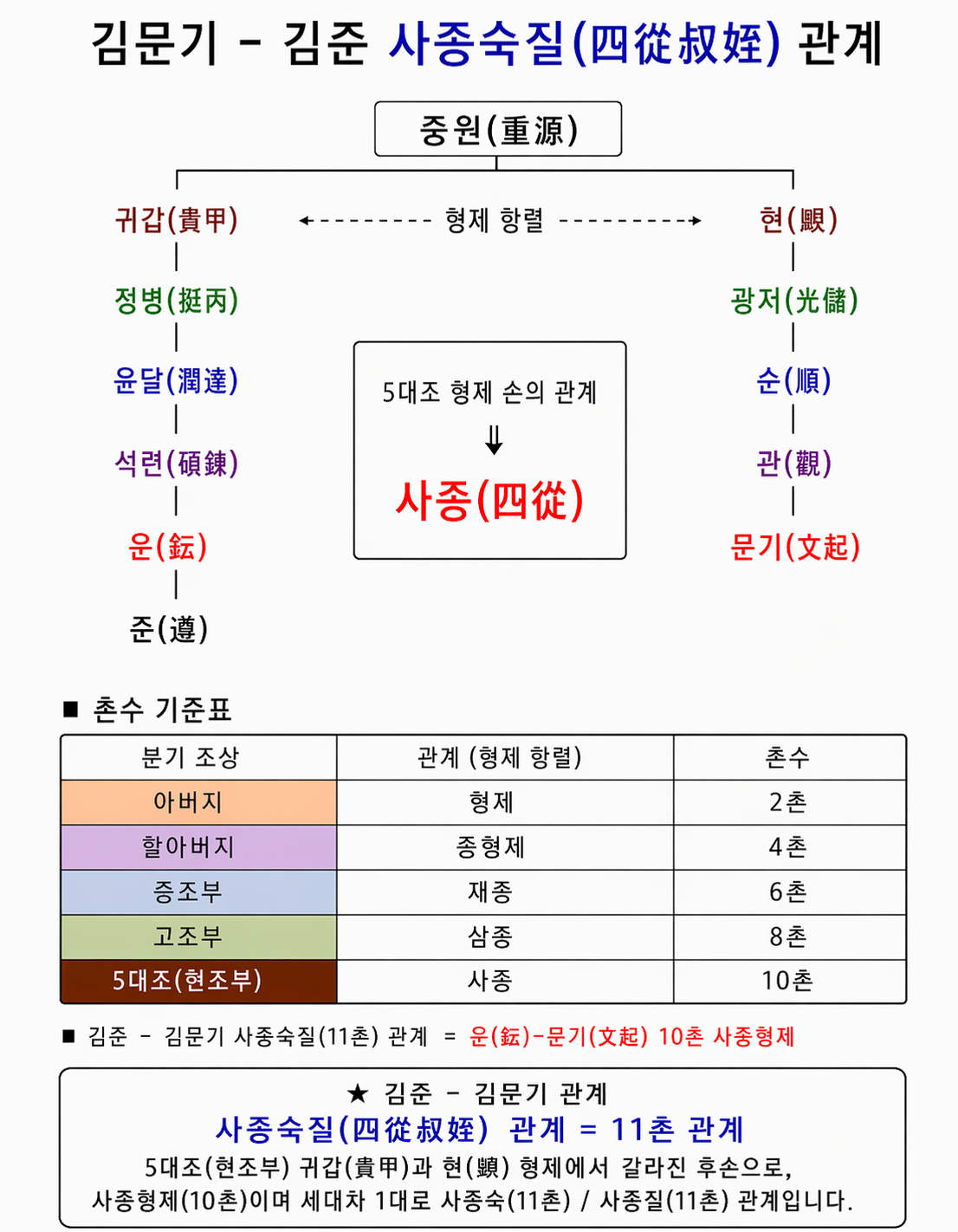
◆ 김준(金遵)은 세종 대 과거에 급제하여 관직에 나아간 인물로,
이후 병조판서(정2품)와 영돈녕부사(정1품)를 역임한 고위 관료였다.
◆ 영돈녕부사(領敦寧府事)는 조선 시대 돈녕부의 장관이었다. 주로 왕의 장인인 국구(國舅)에게 내리는 벼슬이나 정승을 역임한 사람이 맡기도 했다. 품계는 정1품이었으며, 영돈녕이라 부르기도 하였다. <위키백과>
◆ 敦寧(돈녕) : 조선(朝鮮) 시대(時代)에, 왕실(王室)의 친척(親戚)을 이르던 말. 왕(王)과 같은 성(姓)은 9촌 이내(以內), 다른 성(姓)은 6촌 이내(以內), 왕비(王妃)와 같은 성(姓)은 8촌 이내(以內), 다른 성(姓)은 5촌 이내(以內), 세자빈과 같은 성(姓)은 6촌 이내(以內), 다른 성(姓)은 3촌 이내(以內)에 드는 사람이다.<한자사전>
● 스스로 "나"를 사랑하고, 우리말과 역사를 사랑하는 모든 사람들에게 전달해 주십시오.
위 내용은 인터넷 주소창과 카톡에 아래와 같이 바로 입력하여 볼 수 있습니다.
www.다일라.한국/64
www.다일라.한국/54
230년 전 고흥 석촌 마을을 기록하다 - 호적단자가 보여주는 조선 후기(영조시대) 한 마을의 삶
230년 전 고흥 석촌 마을을 기록하다 - 호적단자가 보여주는 조선 후기(영조시대) 한 마을의 삶
김석훈 | 우리말 뿌리연구가, 『우리말 범어사전』 편저자 | 역사계보 족보연구가, 『천제환국조선인류역사계보 』 두루마리 편 | '다일라 운동' 주창 230년 전 석촌마을을 기록하다— 호적단자
www.xn--2j1b40gc5q.xn--3e0b707e
1. Relics and Background of Lord Yeong-donnyeong
Lord Yeong-donnyeong (Kim Jun) explains the landscape where he stayed after leaving office and the background of his writings.
- Ancient Relics of Lord Donnyeong’s Footsteps (敦寧公杖屨所古蹟) This is the historic site where Lord Donnyeong walked with his staff and straw shoes.
- Departure from the Capital to the Countryside (公自京城筆峴移寓縣東簞巖面佳山里) Lord Kim Jun moved his residence from Pil-hyeon (Pil-dong) in the capital city of Hanyang to Gasan-ri, Jeomam-myeon, in the eastern part of the county (Goheung) .
- Seeking Solitude in Nature (無意官路托迹澤山) With no further interest in the path of officialdom, he entrusted his life to the mountains and lakes.
- Devotion to Classical Studies with His Son (左右圖書玩索經意與子樂山軒講論不怠) Surrounding himself with books, he delved deeply into the meanings of the Confucian classics. In his study, Yosan-heon (The Pavilion for Loving Mountains), he never ceased lecturing and debating with his son.
- Rejecting Royal Summons (朝廷三召不膺) Though the royal court summoned him three times (Note: King Sejo offered him the position of Left State Councilor thrice), he did not accept.
- Living with the People (有詩曰 太平仁化今始觀盡與田夫野老歌) He composed a poem saying, "Only now do I fully behold the resonance of a peaceful and benevolent life," and he sang along with the farmers and elderly villagers.
- Leaving Lessons for Posterity (著九恥箴以自警述戒子文以貽訓) He wrote the Guchijam (Admonitions on the Nine Shames) to guard his own conduct and authored the Gyejamun (Instruction for His Sons) to leave a lasting lesson for his descendants.
- The Legacy of Manji-dang (自號晩池堂堂前鑿小池種蓮養魚蓮塘遺趾至今尙存) He gave himself the pen name Manji-dang (The Hall of the Late Pond). He dug a small pond in front of his house, planted lotus flowers, and raised fish. The traces of that lotus pond remain to this day.
2. Guchijam (九恥箴): Admonitions on the Nine Shames
Meaning "admonitions against nine shames," this text warns against behaviors that deviate from the fundamental duties of a human being.
| No. | Original Text (Hanja) | English Translation |
| 1 | 不忠於君 立節多恥 | To be disloyal to one's nation is a great shame in establishing one's integrity. |
| 2 | 不孝於親 叙倫深恥 | To be unfilial to one's parents is a profound shame in upholding human morality. |
| 3 | 無兄無弟 天顯有恥 | To lack brotherly love is a shame against the natural laws of heaven. |
| 4 | 家不先齊 在族受恥 | Failing to first manage one's own household brings shame among one's kinsmen. |
| 5 | 損友無益 論交飜恥 | Associating with harmful friends offers no benefit and is a shame in the art of friendship. |
| 6 | 待賓以薄 於禮反恥 | Treating a guest with coldness is, on the contrary, a shame against the codes of etiquette. |
| 7 | 言不忠信 對人起恥 | Lacking sincerity and trust in one's words is the source of shame when facing others. |
| 8 | 事多是非 處世攸恥 | Being embroiled in constant disputes is a cause for shame in one's conduct in the world. |
| 9 | 未嘗自戒 至老悔恥 | Failing to discipline oneself early, only to regret in old age, is the greatest shame of all. |
Note on Translation: > The term "Shame" (恥) in this context refers to a loss of moral dignity. These admonitions reflect the strict self-discipline and noble character of the Korean literati (Seonbi), emphasizing that true honor comes from inner virtue rather than external status.
The
Relationship Between Kim Mun-gi and Kim Jun
Kim Mun-gi (金文起) was a loyal official who opposed King Sejo’s usurpation of the throne and conspired to restore King Danjong. Serving as the overall military commander of the plot, he prepared the uprising alongside the Sayuksin (the six martyred ministers). However, the plan was exposed due to the betrayal of Kim Jil and others, leading to his martyrdom by geoyeolhyeong (execution by dismemberment).
Kim Jun (金準) was his sajongsukjil (a distant nephew/uncle relation within the extended clan). Amidst the sudden political upheaval, Kim Jun moved to Heungyang (modern-day Goheung, Jeollanam-do), where his mentor and father-in-law, An Sung-seon (Posthumous Name: Munsuk-gong), served as the local magistrate. There, he dedicated himself to fostering future scholars and became the Ip-hyang-jo (the founding ancestor who first settled in the region) of the Yeongdonnyeong-gong branch of the Gimnyeong Kim clan.
Through this history, the clan established itself as a rare lineage of loyalty where both literary (civil) and military traditions flourished, eventually producing over 20 generals at the Jeolla-jwa-suyeong (Left Naval Headquarters of Jeolla Province) during the Imjin War.
Historical Context and Key Terms
- Kim Jun (金遵): An official who passed the civil service examination during the reign of King Sejong. He rose to high-ranking positions, serving as the Byeongjo-panseo (Minister of War, Senior 2nd Rank) and Yeongdonnyeong-busa (Senior 1st Rank).
- Yeongdonnyeong-busa (領敦寧府事): The chief officer of the Donnyeongbu (Office of Royal Genealogy) during the Joseon Dynasty. This post was primarily granted to the Gukgu (the King's father-in-law) or high-ranking ministers who had served as State Councilors. It held the highest rank, Senior 1st Rank, and was often referred to as Yeongdonnyeong.
- Donnyeong (敦寧): A term referring to the relatives of the Royal Family during the Joseon era. This included:
- Paternal relatives (same surname as the King) within 9 degrees of kinship.
- Maternal/Affinal relatives (different surname) within 6 degrees.
- Queen’s paternal relatives within 8 degrees.
- Crown Princess’s paternal relatives within 6 degrees.
Note on Lineage: The transition from a central political power in the capital to a regional scholarly influence in Goheung highlights how many noble families preserved their integrity and safety during the tumultuous early Joseon period.