아리랑, 떠남이 아니라 ‘넘어감’의 노래 — 광화문에서 다시 울리다
김석훈 | 우리말 뿌리연구가, 『우리말 범어사전』 편저자
| 역사계보 족보연구가, 『천제환국조선인류역사계보 』 두루마리 편
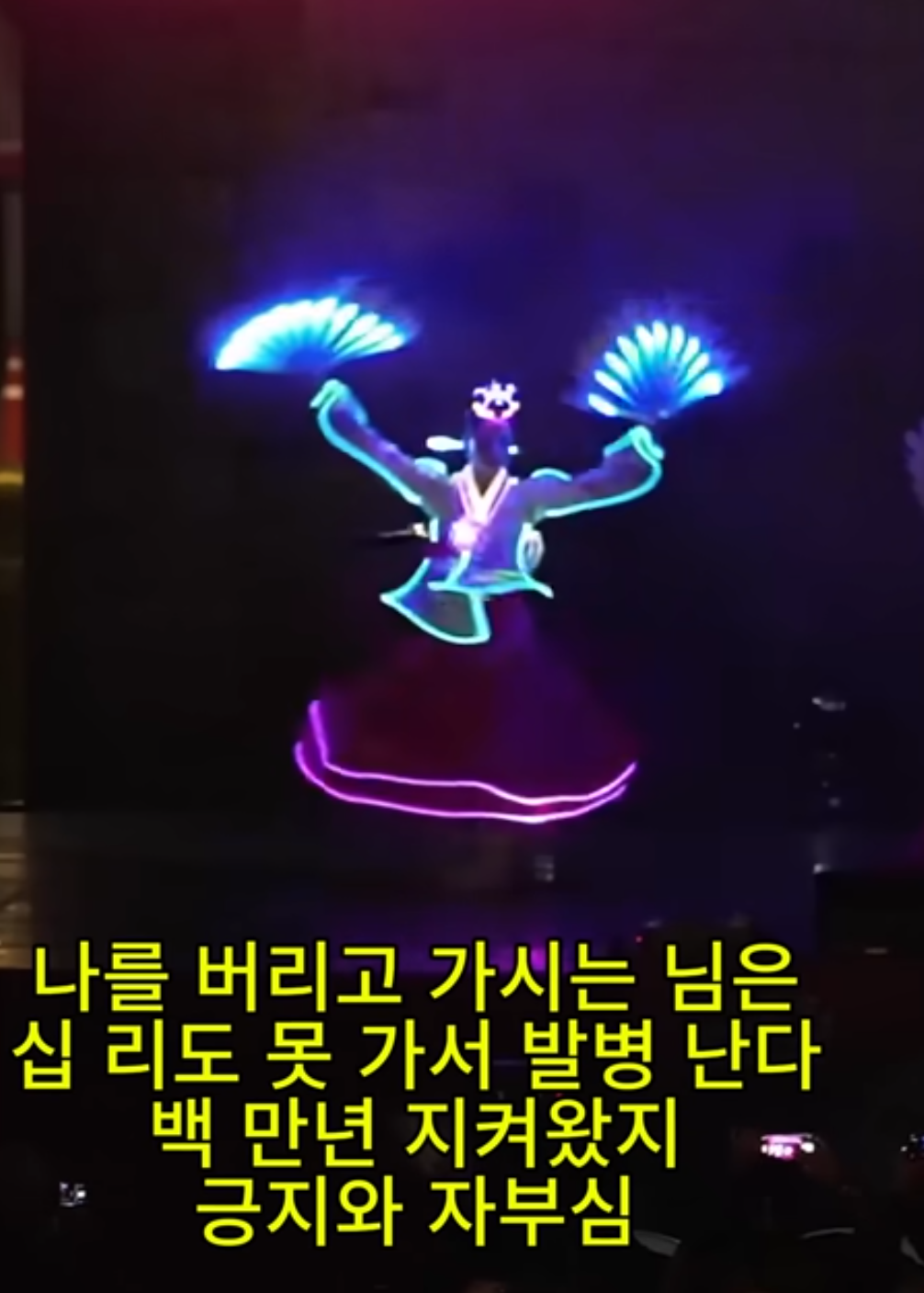
아리랑, 떠남이 아니라 ‘넘어감’의 노래 — 광화문에서 다시 울리다
■ 1. 서론
아리랑은 단순한 민요가 아니다.
이별의 노래로만 보기에는 그 깊이가 너무도 크다.
아리랑은 사랑의 노래이면서 동시에 관계의 노래이며,
더 나아가 인간이 살아온 방식 자체를 담은 기억의 언어다.
이 글은 아리랑을 어원과 구조를 통해 분석하여,
인간 삶의 흐름이 언어 속에 어떻게 축적되고 전승되어 왔는지를 밝히는 글이다.
특히 우리말 속에 남아 있는 범어적(산스크리트) 흔적을 함께 살펴보며,
아리랑이 지닌 의미의 깊은 층위를 이해해 보고자 한다.
■ 2. 어원으로 본 핵심 구조
아리랑의 의미는 어원에서도 분명하게 드러난다.
- ari (아리) → a faithful or devoted or pious man
👉 관계의 중심, 사랑하는 존재(변치 않는 님) - śrī (쓰리) → to hurt, injure
👉 관계 속에서 생겨나는 상처 - laṅgh (랑) → to cross over, go beyond
👉 경계를 넘어가는 전환
이 흐름 속에는 상처가 깊어지며
무너짐과 좌절로 이어지는 과정이 포함되어 있지만,
아리랑은 그 모든 과정을 하나의 흐름으로 묶어 노래한다.
👉 아리 → 쓰리 → 랑
👉 관계 → 상처 → 넘어감
▼ 결론 아래 어원 보충(심화)
■ 3. ‘랑’은 떠남이 아니라 ‘넘어감’이다
아리랑의 핵심은 마지막 ‘랑’에 있다.
이것은 단순한 이동이 아니다.
경계를 넘고
상태가 바뀌며
다른 삶으로 들어가는 전환이다.
그래서 아리랑은
👉 떠남의 노래가 아니라
👉 넘어가는 인간의 노래이다.
■ 4. 가사가 말하는 인간 존재
“나를 버리고 가시는 님은
십리도 못 가서 발병난다”
이 구절은 원망이 아니다.
👉 떠나지만 완전히 떠나지 못한다
👉 관계는 끊어지지 않는다
이것이 인간 존재의 본질이다.
■ 5. “아리 아리 쓰리 아라리요”의 구조
아리 → 관계
쓰리 → 상처
아라리 → 무너지기 직전의 감정
👉 관계가 흔들리고
👉 상처가 드러나며
👉 감정이 극에 달하는 순간
이다.
■ 6. “백만년 지켜왔지 긍지와 자부심”
BTS 공연에서 이 한 줄은 아리랑의 의미를 확장시킨다.
아리랑은 개인의 노래가 아니다.
👉 인류가 걸어온 역사
👉 공동체의 기억
👉 존재의 지속
을 함께 담고 있다.
■ 7. 아리랑은 왜 누구에게나 울리는가
아리랑은 특정 문화에만 속하지 않는다.
누구든 이 노래를 들으면
몸과 마음 그리고 영혼으로 반응한다.
👉 이것은 문화가 아니라
👉 인간 존재의 구조이기 때문이다.
■ 8. 언어와 삶 — 우리말 속에 남은 흔적
우리말 속에는 이미 수많은 범어적 흔적이 살아 있다.
"가다, 자다, 쉬다, 묵다(먹다), 예우다, 가랏다(맷돌), 쎄떼(열쇠), 주둥이(입), 아궁이, 가마(솥), 써래, 밭, 뿌리다,
꽃, 불, 해, 다람(쥐), 아가, 삼베, 품앗이, 잔나비, 암(癌), 아궁이, 나그네, 새참, 부르다, 사귀다, 흐르다,..." 등
우리 일상의 언어는 단순한 소통 수단이 아니라
삶의 역사와 이동의 기억을 품고 있다.
👉 우리말의 기층에는 범어적 구조가 살아 있으며,
👉 아리랑은 그 흐름이 응축된 언어이다.
■ 9. BTS, 현대의 아리랑
오늘날 아리랑은 다시 불리고 있다.
광화문에서 울려 퍼진 아리랑은
과거의 노래가 아니라 현재의 노래였다.
👉 과거와 현재
👉 개인과 공동체
👉 한국과 세계
가 하나로 이어졌다.
아리랑은 살아 있는 구조이다.
■ 10. 결론
아리랑은 이별의 노래가 아니다.
상처를 안고 고개를 넘어가는 인간의 이야기이다.
관계가 만들어지고
상처를 입고
무너지고
다시 넘어가는
인간 존재의 구조를 담은 노래이다.
그리고 이제 우리는 분명하게 말할 수 있다.
아리랑은 단순한 민요가 아니다.
우리 선조들이 사용했던 실담어(悉曇語), 곧 초기 범어의 흐름 속에서 형성되고 전승된 언어이다.
언어는 문화만이 아니라 삶과 함께 이동한다.
아리랑은 범어를 사용하던 동이족 선조들의 삶과 이동, 관계의 기억이 응축된 언어적 유산이다.
이것은 가설이 아니라
우리말 속에 살아 있는 수많은 어휘와 구조가 증명하는 흐름이다.
그래서 우리는 이렇게 말할 수 있다.
아리랑은 우리 동이족을 넘어
인류 전체가 걸어온 긴 여정을 담은 서사시이다.
아리랑은 끝난 노래가 아니다.
지금도 계속 울리고 있다.
■ 어원 보충 (심화)
아리랑의 구조를 더 세밀하게 보면, 다음과 같은 어원적 흐름이 그 안에 포함되어 있다.
여기서 제시하는 어원 연결은 단어의 표면적 유사성을 넘어, 의미의 흐름과 구조적 대응 속에서 형성된 언어의 깊은 층위를 드러낸다.
아리랑을 이루는 의미의 흐름은 다음과 같이 정리할 수 있다.
ari (아리) → 관계, 붙어 있음, 사랑하는 존재(변치 않는 님)
śrī (쓰리) → 상처, 고통
shRī (쉬리) → 붕괴, 무너짐
sriv (스리브) → 실패, 좌절
laṅg / laṅgh (랑) → 가다, 절뚝거리다 / 경계를 넘어가다
이 어근들을 하나로 이어 보면 다음과 같은 구조가 드러난다.
ari → śrī → śṛ → sriv → laṅg → laṅgh
관계 → 흔들림 → 상처 → 무너짐 → 불완전한 이동 → 넘어감(전환)
이것이 바로 아리랑의 구조적 뼈대다.
아리랑은 이 모든 과정을
👉 하나의 흐름으로 묶어 노래한다.
👉 아리 → 쓰리 → 랑
👉 관계 → 상처 → 넘어감
ari अरि [아리]
→ a faithful or devoted or pious man
(신실하고, 헌신적이며, 경건한 사람)
▶ 변치 않는 님, 끝까지 믿었던 사람
▶ 관계를 맺고 중심을 이루는 존재
śrī / sri [쓰리]
→ to hurt, injure, kill
▶ 관계 속에서 발생하는 상처
śṛ / śṝ 계열 (shRī) श्रि [쉬리]
→ to be crushed or broken or shattered
▶ 존재와 관계의 붕괴
sriv, srīv [쓰리ㅂ]
→ to fail, turn out badly
▶ 붕괴 이후 드러나는 실패와 좌절
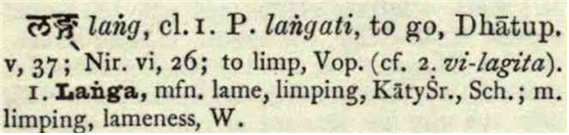
laṅg लङ्ग् [랑]
→ to go; to limp
▶ 상처를 안고 이어지는 불완전한 삶
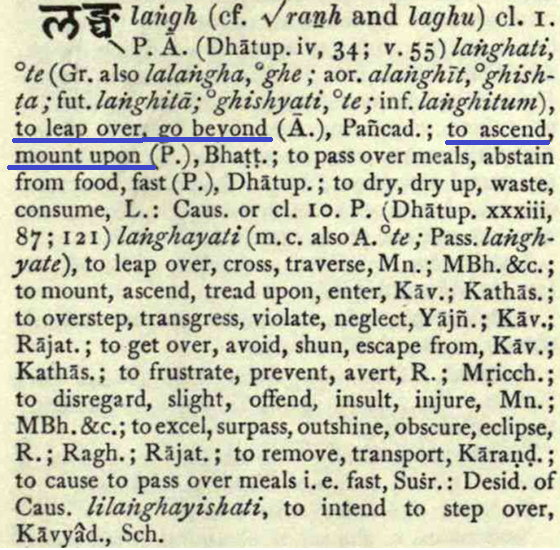
laṅgh लङ्घ् [랑ㅎ]
→ to leap over, go beyond
▶ 경계를 넘어 새로운 삶으로 전환
★ 아래 붉은 원안의 RV는 3500년 전 세계 최고(最古)의 문헌인 리그베다(Rigveda)에 기록된 것을 나타낸다..



●스스로 "나"를 사랑하고, 우리말과 역사를 사랑하는 모든 사람들에게 전달해 주십시오.
위 내용은 인터넷 주소창과 카톡에 아래와 같이 바로 입력하여 볼 수 있습니다.
www.다일라.한국/57
◈ ◈ ◈ ◈ ◈ ◈ ◈ ◈ ◈ ◈ ◈ ◈ ◈ ◈ ◈ ◈ ◈ ◈ ◈ ◈ ◈ ◈ ◈ ◈ ◈ ◈ ◈ ◈ ◈ ◈ ◈ ◈
Kim Seok-Hoon
Korean Etymology Researcher
Editor of Our Korean–Sanskrit Etymological Dictionary
Genealogical & Historical Lineage Researcher
Compiler of the scroll The Genealogical History of Humanity from the Heavenly Emperor Hwan-State and Joseon
Arirang(Ari·lang): Not a Song of Departure, but of “Crossing Over” — Resounding Again in Gwanghwamun
Arirang is not merely a Korean folk song.
Its depth goes far beyond a simple song of farewell.
Arirang is a song of love, a song of relationships,
and furthermore, a language of memory that embodies the very way human beings have lived.
This article analyzes Arirang through its etymology and structure,
seeking to reveal how the flow of human life has been accumulated and transmitted within language.
In particular, by examining the Sanskrit traces preserved within the Korean language, this study seeks to understand the deeper layers of meaning embedded in Arirang.
■ 2. The Core Structure Seen Through Etymology
The meaning of Arirang is clearly revealed through its roots.
ari → a faithful or devoted or pious man
👉 the center of relationship, an unwavering being
śrī → to hurt, injure
👉 the wound that arises within relationships
laṅgh → to cross over, go beyond
👉 the transition of crossing a boundary
Within this flow, there is also a deeper process in which wounds intensify,
leading to collapse and frustration.
Yet Arirang gathers all of these into a single continuous flow.
👉 ari → sseuri → rang
👉 relation → wound → crossing
■ 3. “Rang” Is Not Departure but Crossing
The essence of Arirang lies in the final element, “rang.”
This is not merely movement.
It is:
- crossing a boundary
- a change of state
- entering into a new phase of life
Thus, Arirang is
👉 not a song of departure,
👉 but a song of human beings crossing over.
■ 4. What the Lyrics Reveal About Human Existence
“The one who leaves me
will not go ten li before their feet become ill.”
This line is not resentment.
👉 One leaves, yet cannot fully leave
👉 Relationships do not end
This is the essence of human existence.
■ 5. The Structure of “Ari Ari Sseuri Arariyo”
Ari → relation
Sseuri → wound
Arari → emotional state on the verge of collapse
👉 relationships tremble
👉 wounds emerge
👉 emotions reach their peak
■ 6. “A Million Years of Pride and Dignity”
In the BTS performance, this line expands the meaning of Arirang.
Arirang is no longer just a personal song.
👉 it carries the history of humanity
👉 the memory of community
👉 the continuity of existence
■ 7. Why Arirang Resonates Universally
Arirang does not belong to a single culture.
Anyone who hears it responds
with body, mind, and spirit.
👉 because it is not merely culture,
👉 but the structure of human existence itself.
■ 8. Language and Life — Traces in Korean Words
Within the Korean language remain numerous traces of deep linguistic continuity.
“gada (to go), jada (to sleep), swida (to rest), meokda (to eat),
yesuda, garatda (millstone), ssette (key), judungi (mouth),
agungi (hearth), gama (cauldron), sseorae (harrow), bat (field), ppurida (to scatter),
kkot (flower), bul (fire), hae (sun), daram (squirrel), aga (baby),
sambe (hemp cloth), pumassi (cooperative labor), jannabi (monkey),
am (cancer), nageune (traveler), saecham (snack),
bureuda (to call), sagwida (to associate), heureuda (to flow)…”
These are not merely words,
but carriers of life, movement, and memory.
👉 The foundation of Korean language retains Sanskrit-like structures
👉 Arirang is a condensation of that linguistic flow
■ 9. BTS — Arirang of the Present
Today, Arirang is being sung again.
The Arirang that resounded in Gwanghwamun
was not a song of the past, but of the present.
👉 past and present
👉 individual and community
👉 Korea and the world
came together as one.
Arirang is a living structure.
■ 10. Conclusion
Arirang is not a song of farewell.
It is the story of human beings
crossing over while carrying their wounds.
Relationships are formed,
wounds are endured,
collapse occurs,
and yet one crosses over again.
Arirang embodies the structure of human existence.
And now we can state clearly:
Arirang is not merely a folk song.
It is a linguistic heritage formed and transmitted
through the flow of Siddham (early Sanskrit) used by our ancestors.
Language does not move by culture alone—
it moves with life itself.
Arirang is the condensed memory
of the lives, movements, and relationships
of the Dongyi ancestors who once used Sanskrit.
This is not a hypothesis,
but a pattern evidenced in countless words and structures
that still live within the Korean language.
Therefore, we can say:
Arirang is an epic
that contains the long journey of humanity itself.
Arirang is not a song of the past.
It continues to resonate even now.
■ Etymological Supplement (Advanced)
When examined more closely,
the structure of Arirang includes the following deeper etymological flow:
ari → śrī → śṛ → sriv → laṅg → laṅgh
👉 relation → trembling → wound → collapse → incomplete movement → crossing
This reveals a deeper linguistic layer
formed not by superficial similarity,
but by structural correspondence of meaning.
Arirang gathers all of these processes
into a single unified flow.
👉 ari → sseuri → rang
👉 relation → wound → crossing