“늘 영님해라” — 고흥말 속에 남아 있는 마음의 언어
김석훈 | 우리말 뿌리연구가, 『우리말 범어사전』 편저자
| 역사계보 족보연구가, 『천제환국조선인류역사계보 』 두루마리 편
| '다일라 운동' 주창
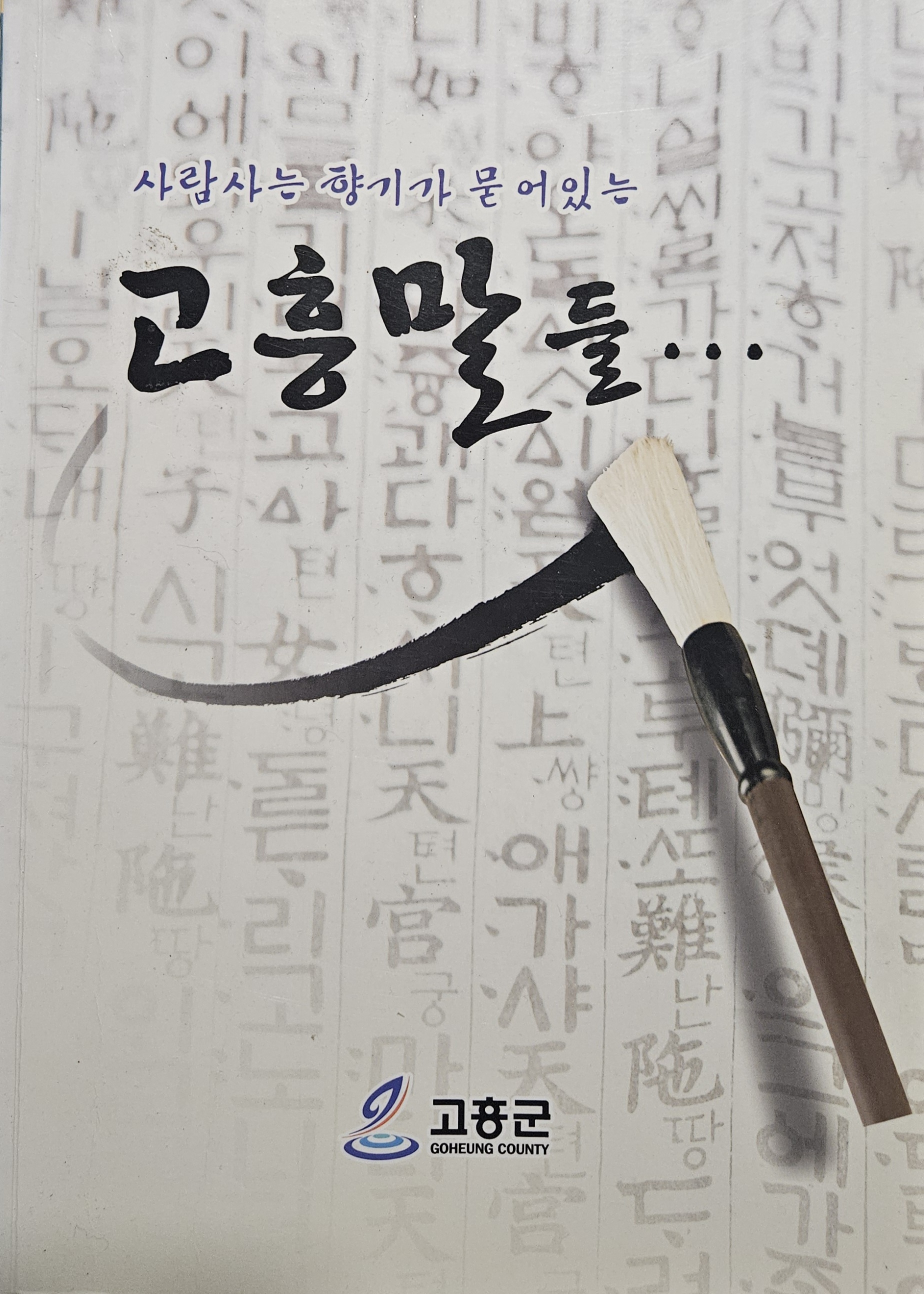
“늘 영님해라” — 고흥말 속에 살아 있는 마음의 언어
전남 고흥에서는 어른들이 자식에게 종종 이렇게 말한다.
“아까 니한테 말한 거 늘 영님해라.”
이 말은 단순히 “기억해라”라는 뜻이 아니다.
마음에 깊이 새겨 잊지 말고 살아가라는 뜻을 담고 있다.
고흥 방언 **‘영님하다’ 또는 ‘영림하다’**는 말을 마음에 두고 오래 생각하라는 의미로 쓰인다.
어른의 말이나 중요한 가르침을 따로 마음에 두고 잊지 말라는 당부다.
그래서 부모가 타향으로 떠나는 자식에게 건네는 말로 특히 자연스럽다.
이 말의 뿌리를 살펴보면 한자 **另(영)**의 의미와도 연결해 볼 수 있다.
另(영) 자의 구조
另(영)
뜻 : 헤어지다, 나누다, 따로
음 : 령(영)
이 글자는 **口(입 구)**와 **力(힘 력)**이 합쳐진 모양이다.
▶ 국어사전
영념(另念)하다 :
특별한 호의로 마음을 쓰다. - 표준국어대사전
(어떤 사람이 다른 사람을) 특별히 좋게 생각하여 걱정하거나 돌보아 주다. - 고려대 한국어대사전
另念 → 영념 → 영님
문자의 구조로 보면 힘을 주어 갈라 놓다, 나누다, 따로 두다는 의미가 된다.
여기서 ‘따로 둔다’는 뜻은 곧 특별히 마음에 두다는 의미로도 확장될 수 있다.
또 다른 측면에서 보면 입(口)에 힘(力)을 주어 말한다는 것은
그만큼 강하게 당부하는 말이라는 뜻으로도 이해할 수 있다.
중요한 말을 힘주어 전하는 장면이 떠오른다.
그래서 고흥 어른들이 말하는
“늘 영님해라.”
라는 말은 단순한 기억의 요청이 아니라
- 마음에 잘 새겨 두어라
- 잊지 말고 챙겨라
- 내가 한 말을 가슴에 두고 살아라
라는 깊은 의미를 담고 있다.
명념(銘念)과의 의미 비교
이와 비슷한 뜻을 가진 말로 **명념(銘念)**이라는 표현이 있다.
영념(另念)이 따로 마음에 두고 생각한다는 뜻이라면,
명념은 마음에 깊이 새겨 잊지 않는다는 의미를 지닌다.
여기서 **銘(명)**은 본래 돌이나 금속에 글을 새긴다는 뜻의 글자다.
옛사람들은 중요한 글이나 교훈을 비석이나 쇠붙이에 새겨 오래도록 남겼다.
그래서 **명념(銘念)**이라는 말은 어떤 말을 마음속에 새겨 두듯 깊이 간직한다는 의미를 갖게 되었다.
이렇게 보면 고흥에서 쓰는 **“영님하다”**라는 말과 **“명념하다”**라는 말은 서로 닮아 있다.
영님하다는 따로 마음에 두고 늘 생각한다는 뜻이고,
명념하다는 마음에 깊이 새겨 잊지 않는다는 뜻이다.
표현은 조금 다르지만 결국 두 말이 전하는 뜻은 하나로 모인다.
마음에 깊이 새기고 잊지 말라는 당부다.
그래서 고흥 어른들이 자식에게 건네는 한마디,
“늘 영님해라.”
라는 말 속에는 곧
“마음에 명념하고 살아라.”
라는 의미가 함께 담겨 있다고 할 수 있다.
수백 년 이어진 말의 품격
고흥의 **영님하다**는 단순한 사투리가 아니다.
그 안에는 선조들의 품격 있는 말과 삶의 태도가 그대로 담겨 있다.
이처럼 고흥에는 겉으로는 사투리처럼 들리지만
그 바탕에 깊은 한자어의 의미가 살아 있는 말들이 적지 않다.
예를 들어 고흥에서 쓰이는 **뒤미(디미)가 있다**라는 말이 있다.
이는 한자 **頭尾(두미)**에서 온 말로 머리와 꼬리, 곧 처음과 끝을 뜻한다.
생활 속에서 **뒤미(디미)가 있다**고 하면
- 일의 앞뒤 사정이 분명하다는 뜻이며
- 일머리와 끝마무리가 제대로 갖추어져 있다는 의미를 담는다.
또 다른 예로 **연북(硯北)**이라는 말이 있다.
문자 그대로는 ‘벼루의 북쪽’, 곧 글을 쓰는 자리의 맞은편을 가리키는 말이다.
옛 편지에서는 받는 사람의 이름 아래에 **OOO연북**이라고 적어
**그대 옆에 올립니다**라는 공손한 표현으로 사용되었다.
그런데 고흥에서는 이 말이 생활 속에서
논밭의 이웃, 곧 전답의 옆자리를 가리키는 말로도 쓰인다.
한때 선비들의 편지 속에서 쓰이던 품격 있는 한자어가
세월을 지나 농촌의 생활 언어 속에서도 자연스럽게 살아 남은 것이다.
말 속에 남은 삶의 정신
그래서 부모는 타향으로 떠나는 자식에게 마지막으로 이렇게 말한다.
“늘 영님해라이이인잉?”
짧은 말이지만 그 안에는
잊지 말고 마음에 새기며 살아가라
는 깊은 당부가 담겨 있다.
고흥의 말 속에는 이렇게
선조들의 품격 있는 언어와 삶의 정신이
수백 년 세월을 지나 지금도 조용히 살아 숨 쉬고 있다.
●스스로 "나"를 사랑하고, 우리말과 역사를 사랑하는 모든 사람들에게 전달해 주십시오.
위 내용은 인터넷 주소창과 카톡에 아래와 같이 바로 입력하여 볼 수 있습니다.
www.다일라.한국/53
Kim Seok-Hoon
Korean Etymology Researcher
Editor of Our Korean–Sanskrit Etymological Dictionary
Genealogical & Historical Lineage Researcher
Compiler of the scroll The Genealogical History of Humanity from the Heavenly Emperor Hwan-State and Joseon
“Always Keep It in Your Heart” — A Word of Care Preserved in the Dialect of Goheung
In Goheung, Jeollanam-do, elders often say this to their children:
“What I told you earlier, always yeongnim it.”
(아까 니한테 말한 거 늘 영님해라.)
This expression does not simply mean “remember it.”
It carries a deeper meaning: keep it deeply in your heart and live by it.
In the Goheung dialect, “yeongnim-hada” or “yeongrim-hada” means to keep something in one’s mind for a long time and continue thinking about it.
It is a reminder to hold an elder’s words or important teachings separately in one’s heart and never forget them.
That is why it is especially natural for parents to say this to a child who is leaving home for a distant place.
The roots of this expression can also be connected to the Chinese character 另 (yeong).
Structure of the Character 另 (Yeong)
另 (yeong)
Meaning: to separate, divide, set apart
Reading: ryeong (yeong)
This character is composed of 口 (mouth) and 力 (strength).
另念 → yeongnyeom → yeongnim
From its structure, the character conveys the idea of applying force to separate, divide, or set something apart.
The meaning of “setting something apart” can naturally extend to keeping something specially in one’s mind.
Another way to view it is that putting strength into the mouth (口) with force (力) suggests speaking with emphasis.
It evokes the image of delivering an important message with strong insistence.
Thus, when elders in Goheung say:
“Always yeongnim it.”
the phrase is not a simple request to remember something.
Rather, it means:
- Keep it well engraved in your heart
- Do not forget it; take care to remember it
- Hold my words in your heart and live by them
The phrase carries a deeper sense of guidance and care.
Comparison with Myeongnyeom (銘念)
There is a similar expression: myeongnyeom (銘念).
If yeongnyeom (另念) means to keep something separately in one’s thoughts,
then myeongnyeom means to engrave something deeply in one’s mind and never forget it.
The character 銘 (myeong) originally means to carve or engrave words on stone or metal.
In the past, important teachings or messages were engraved on monuments or metal so they would remain for a long time.
For this reason, myeongnyeom (銘念) came to mean keeping something deeply engraved in one’s heart.
Seen in this way, the expressions “yeongnim-hada” used in Goheung and “myeongnyeom-hada” are quite similar.
Yeongnim-hada means to keep something separately in mind and continue thinking about it,
while myeongnyeom-hada means to engrave something deeply in one’s heart and never forget it.
Though the expressions differ slightly, the message they convey ultimately becomes the same:
Keep it deeply in your heart and never forget it.
Thus, when elders in Goheung say to their children,
“Always yeongnim it.”
the phrase can also be understood as meaning:
“Live your life with it engraved in your heart.”
The Dignity of Words Passed Down for Centuries
The Goheung expression “yeongnim-hada” is not merely a dialect word.
Within it lives the dignity of ancestral language and a way of life passed down through generations.
In Goheung, there are many expressions that may sound like simple dialect words but are actually rooted in refined classical vocabulary.
For example, there is the phrase “dwimi (dimi)-ga itda.”
This comes from the characters 頭尾 (dumi), meaning head and tail — the beginning and the end.
In everyday speech, saying “there is dwimi (dimi)” means:
- the situation has a clear beginning and end
- the circumstances of a matter are well understood
- the work has both a proper start and a proper conclusion
Another example is “yeonbuk (硯北).”
Literally, it means “the north side of the inkstone,” referring to the opposite side of the writing desk.
In old letters, people would write “___ yeonbuk” beneath the recipient’s name.
It was a polite expression meaning:
“Presented beside you.”
However, in Goheung this term is also used in everyday life to refer to a neighboring rice field or farmland—the plot of land beside one’s own field.
Thus, a refined classical term once used in scholars’ letters has survived naturally within the everyday speech of rural life.
The Spirit of Life Preserved in Words
That is why parents say to a child leaving home for a distant place:
“Always yeongnim it.”
It is a short phrase, yet within it lies a profound message:
Do not forget.
Engrave it in your heart.
Live by it.
In the language of Goheung, the dignity of ancestral words and the spirit of life continue to live quietly, passed down through centuries.