" 말과 돌, 그리고 사람 " - 고흥 석촌문화공동체 결실 (신문기사)
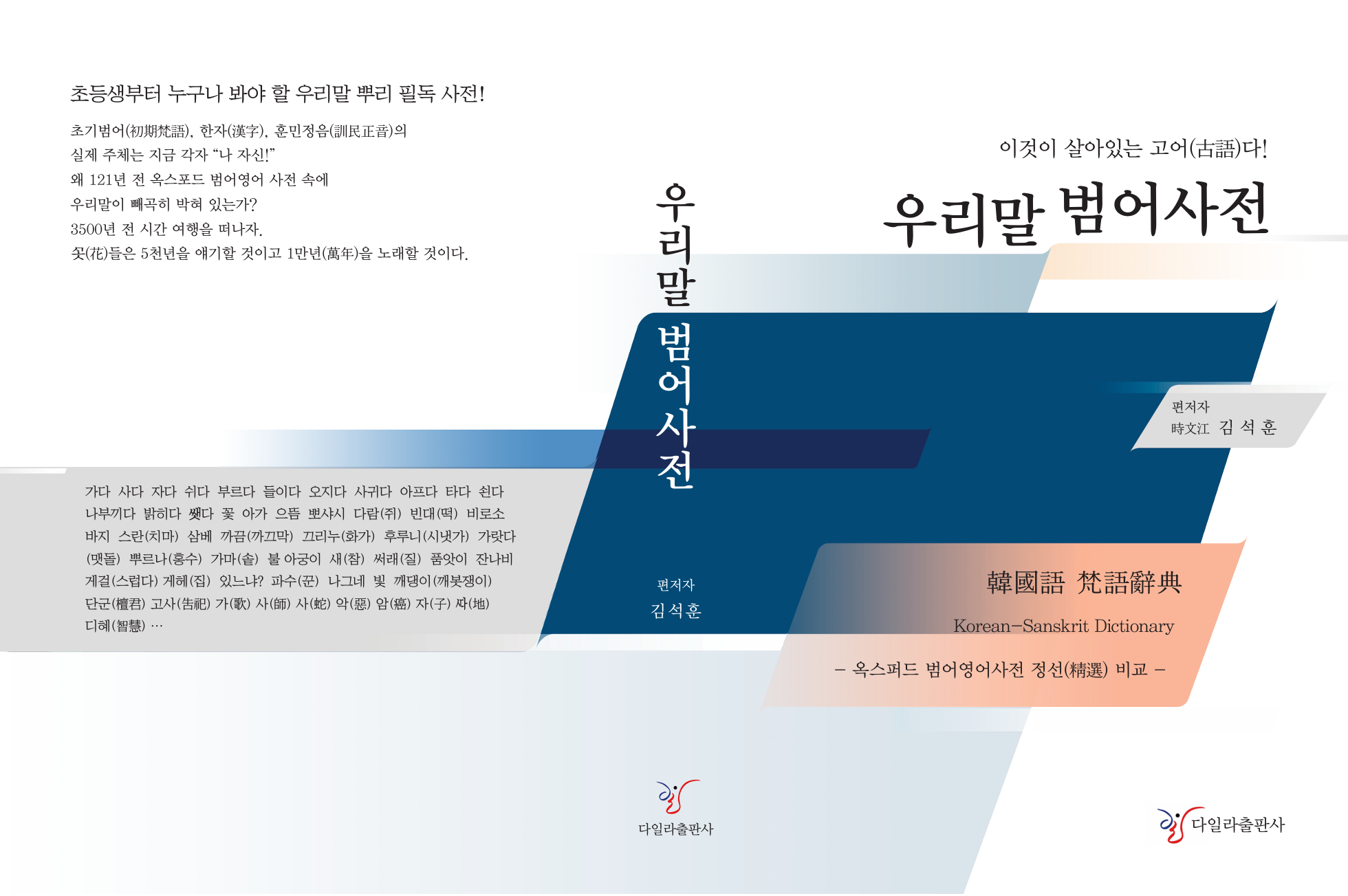
김석훈 | 우리말 뿌리연구가, 『우리말 범어사전』 편저자
| 역사계보 족보연구가, 『천제환국조선인류역사계보 』 두루마리 편
| '다일라 운동' 주창
https://www.jnnews.co.kr/news/view.php?idx=418369&mcode=m53mass253
“말과 돌, 그리고 사람” - 고흥 석촌문화공동체 결실
[전남인터넷신문]석촌문화공동체가 밝혀낸 3,500년 말의 역사와 600년 가문의 뿌리 2025년 12월 15일(월),고흥군 사회적경제·마을공동체 한마당이 고흥군민회...
www.jnnews.co.kr

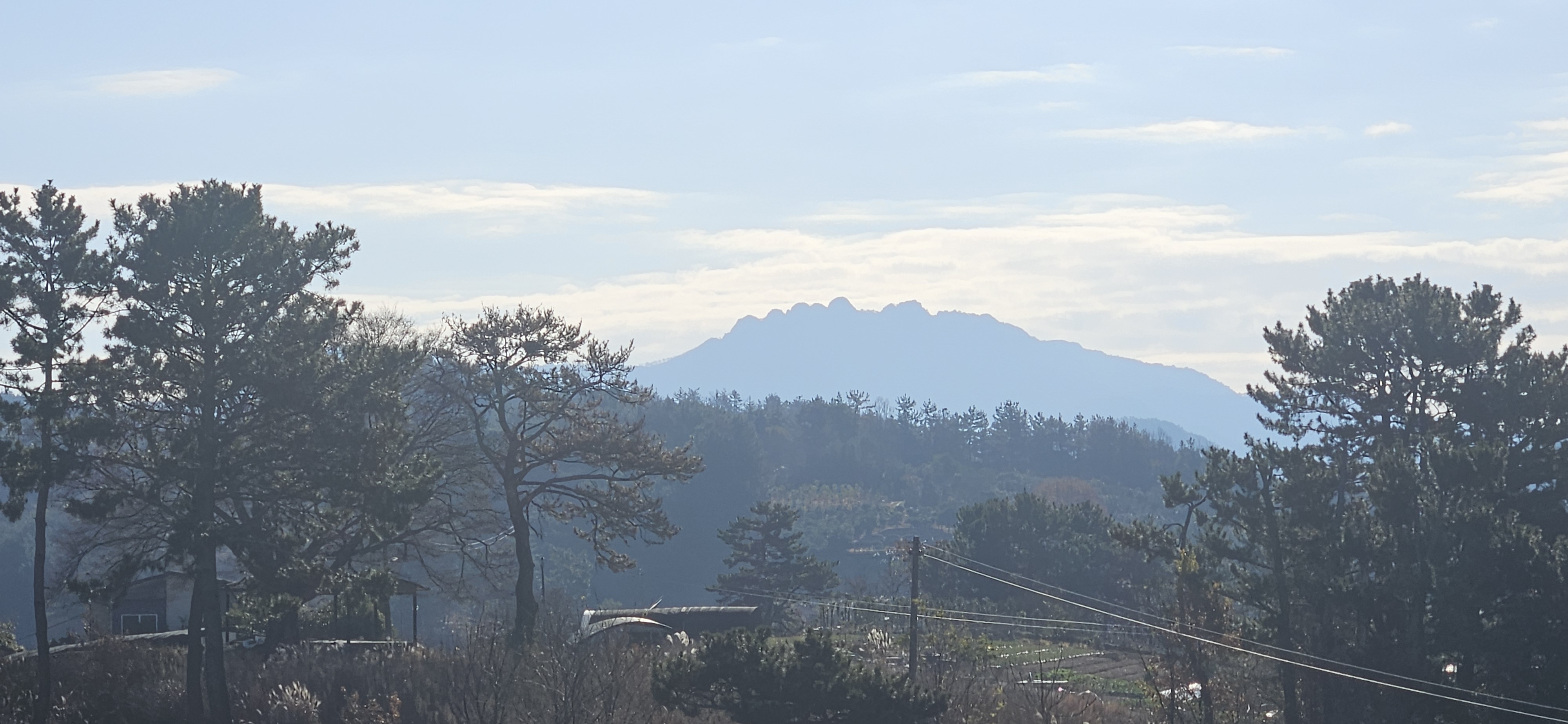

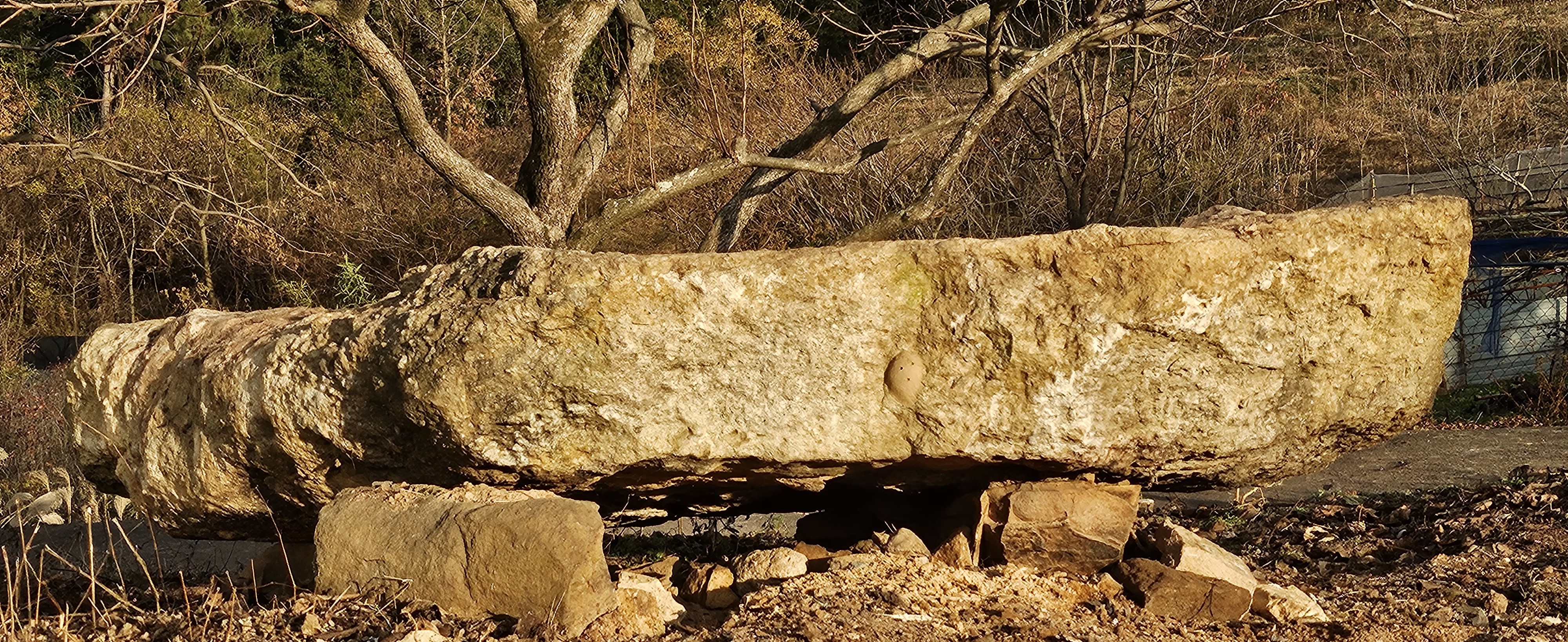
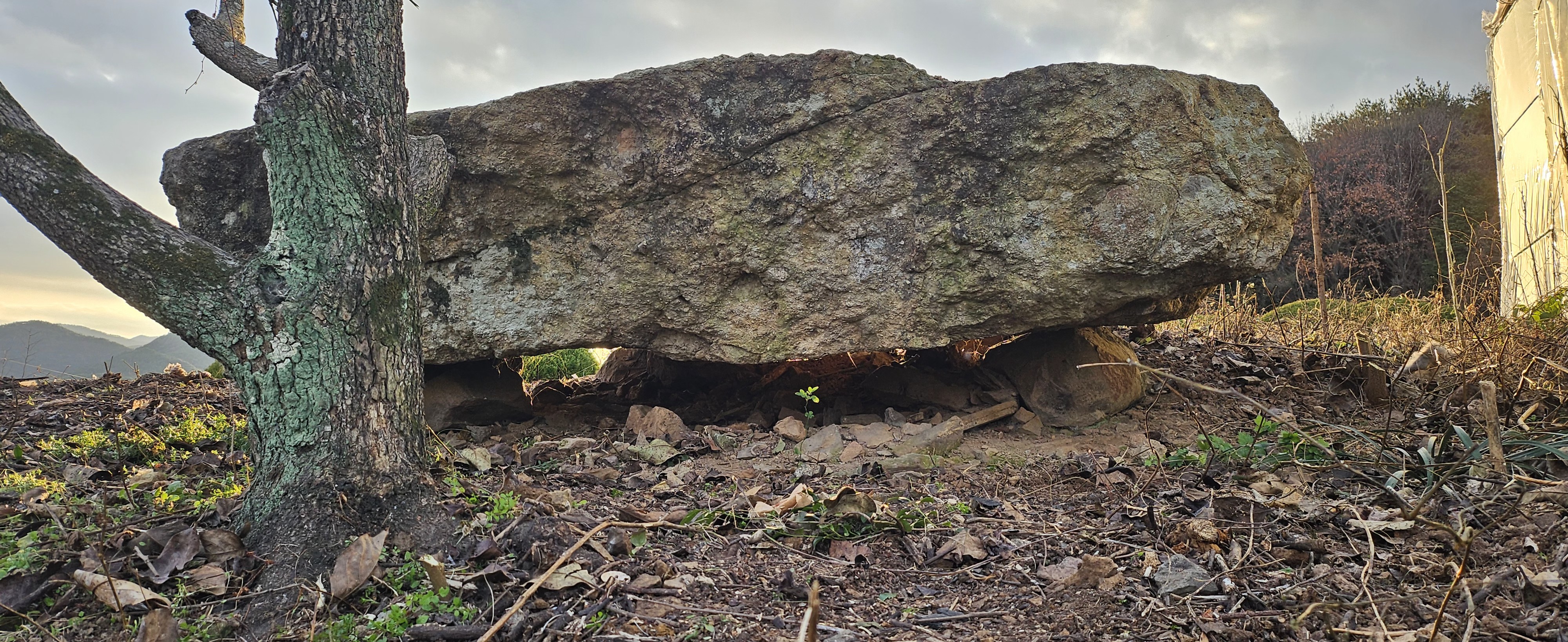
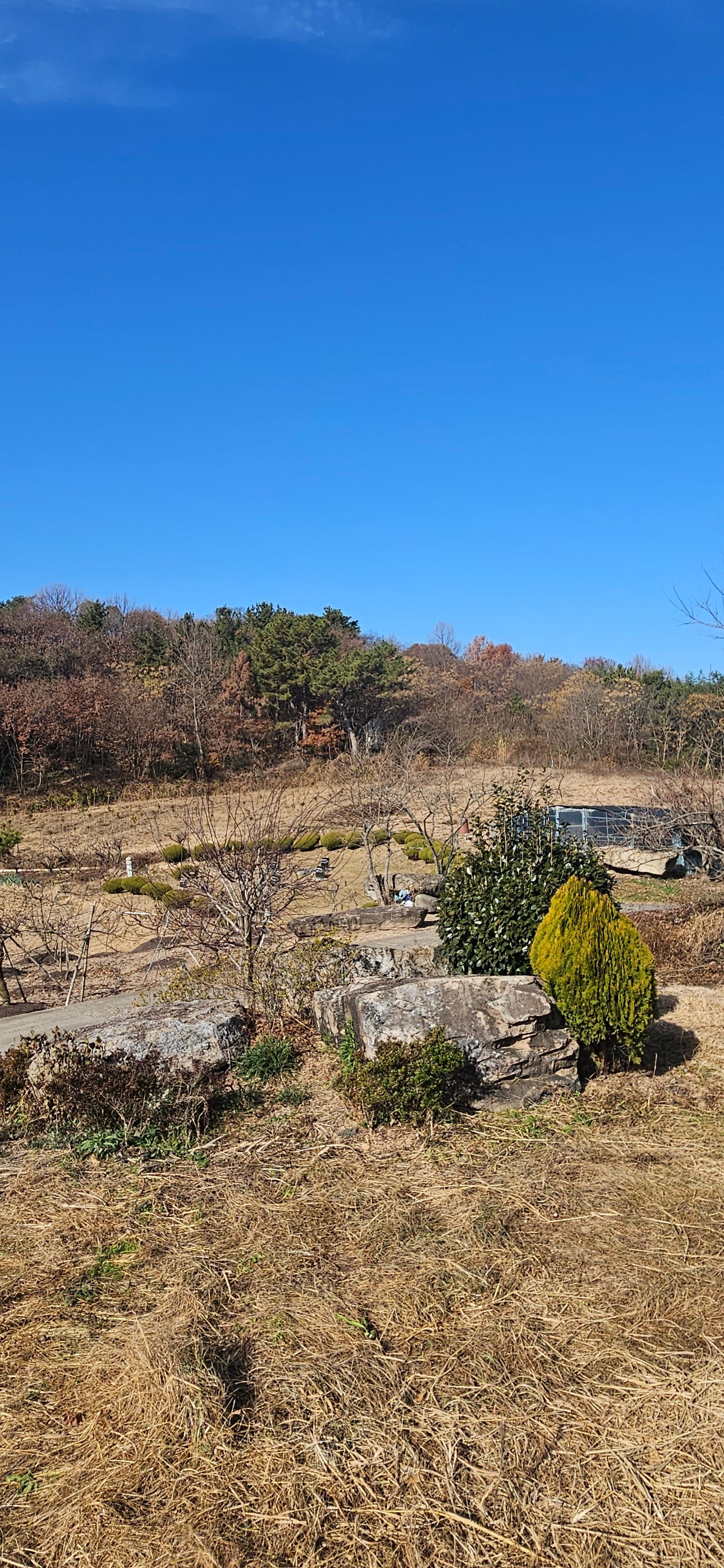


동영상 서비스가 종료되어 해당 콘텐츠를 재생할 수 없습니다.
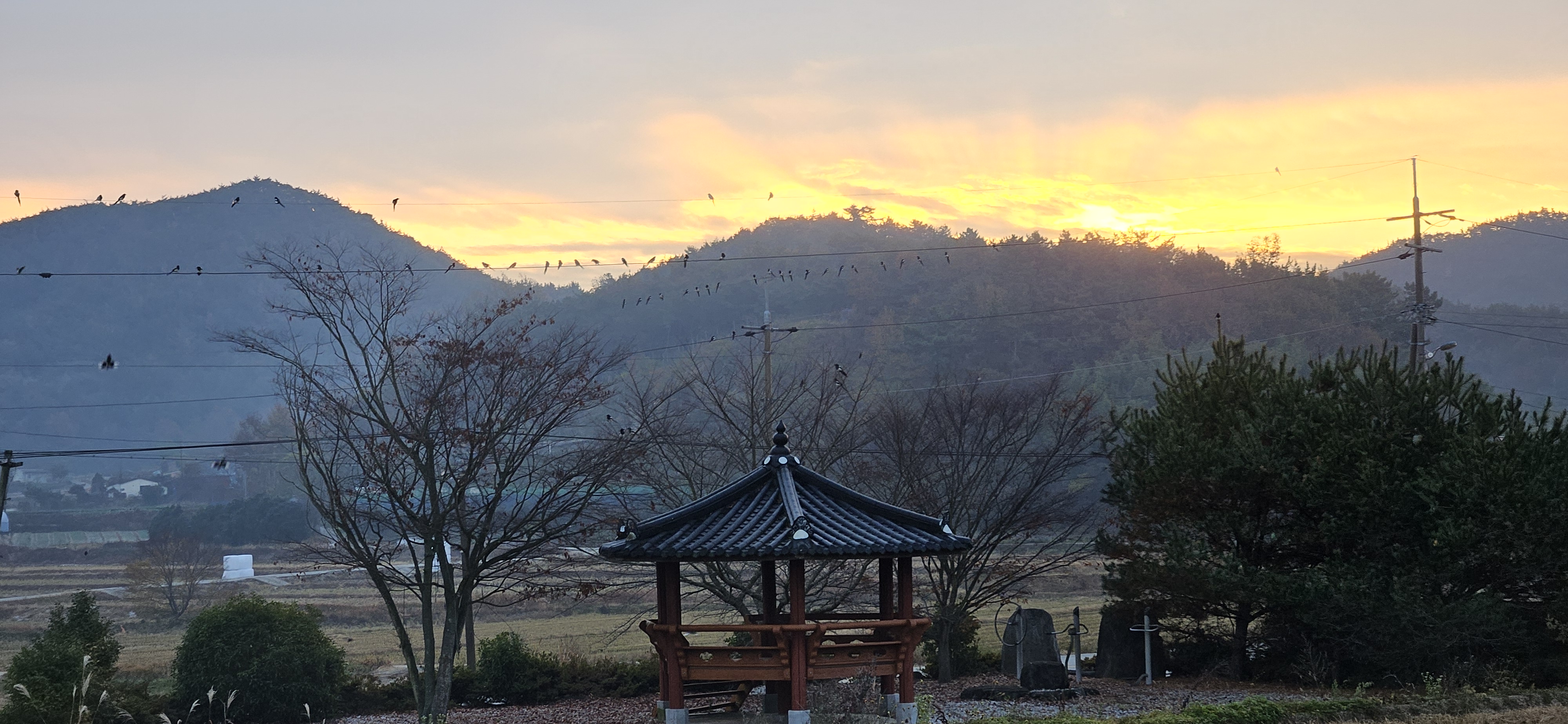
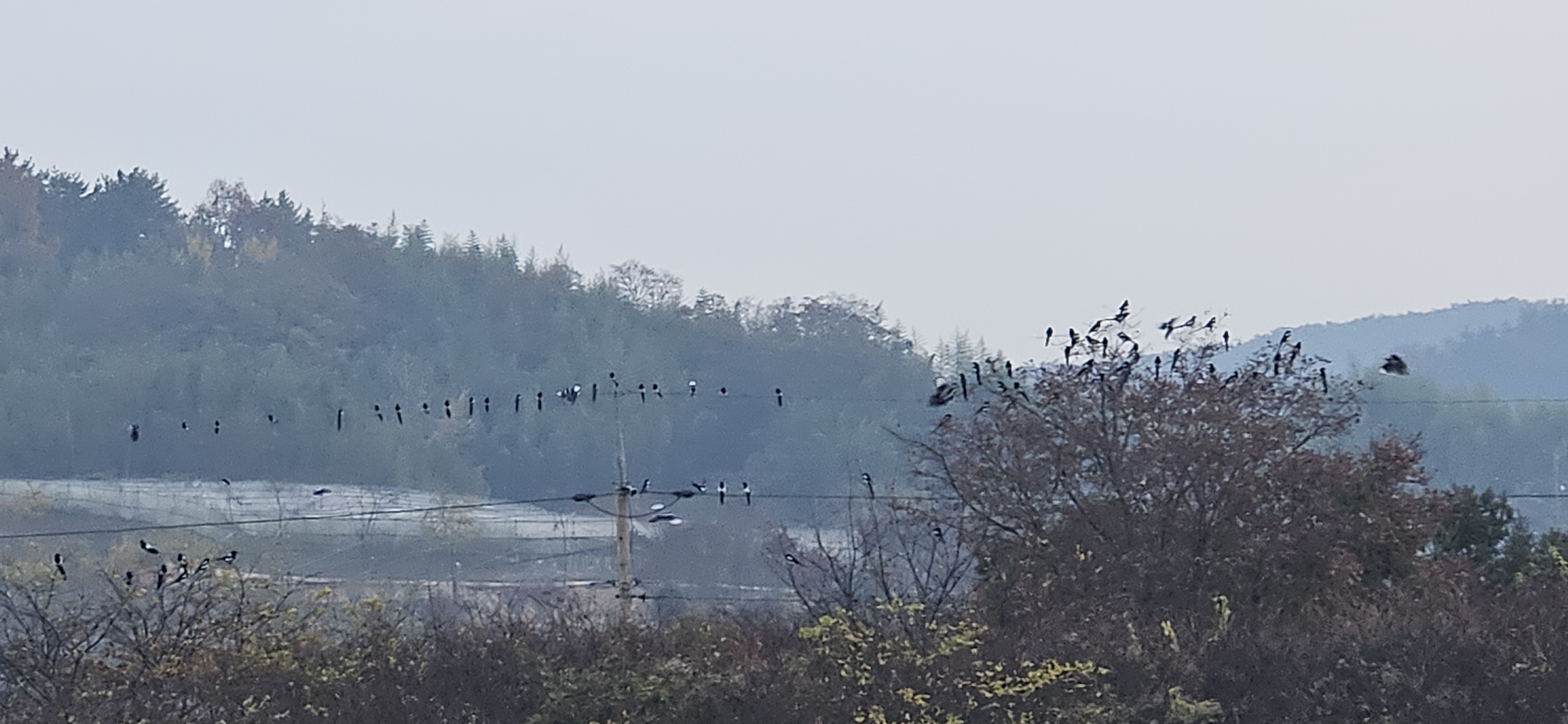
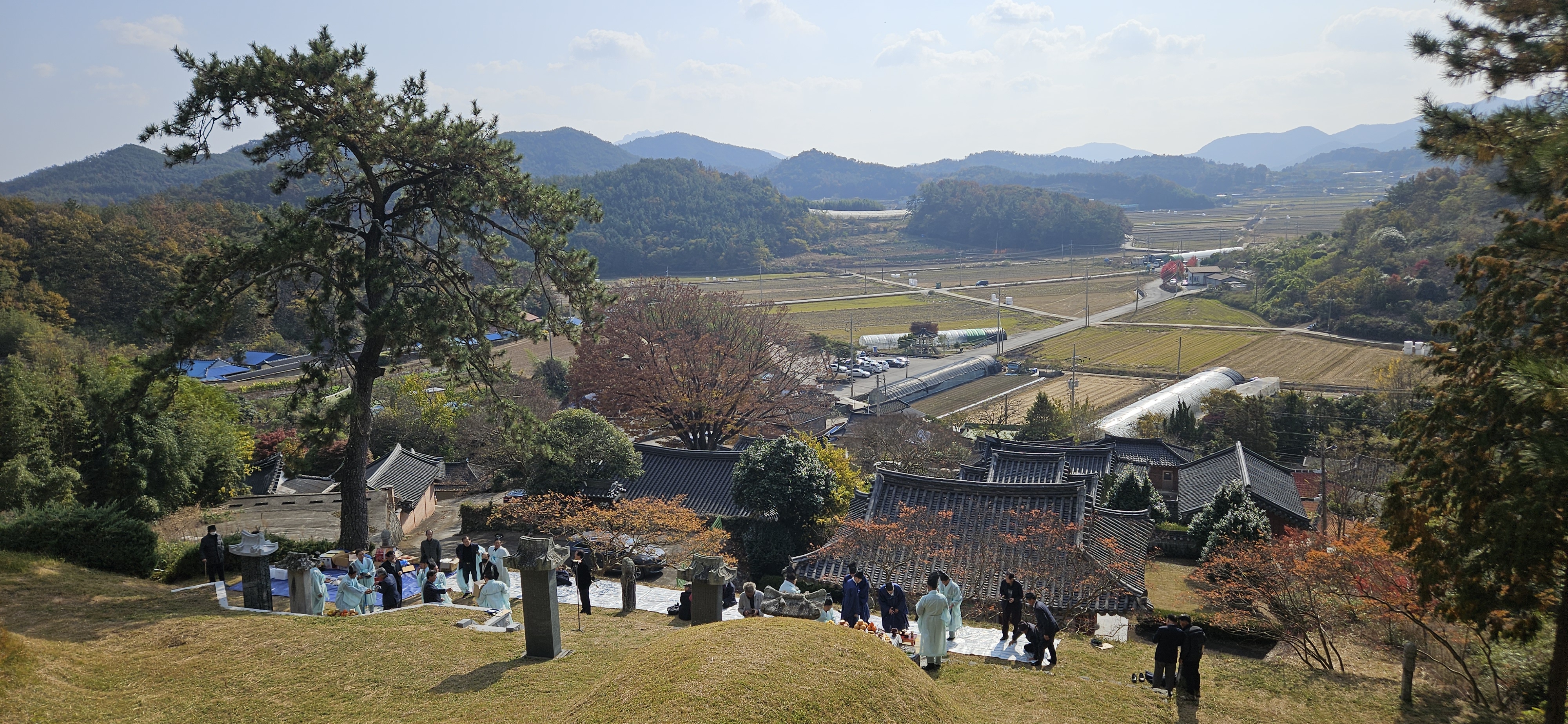
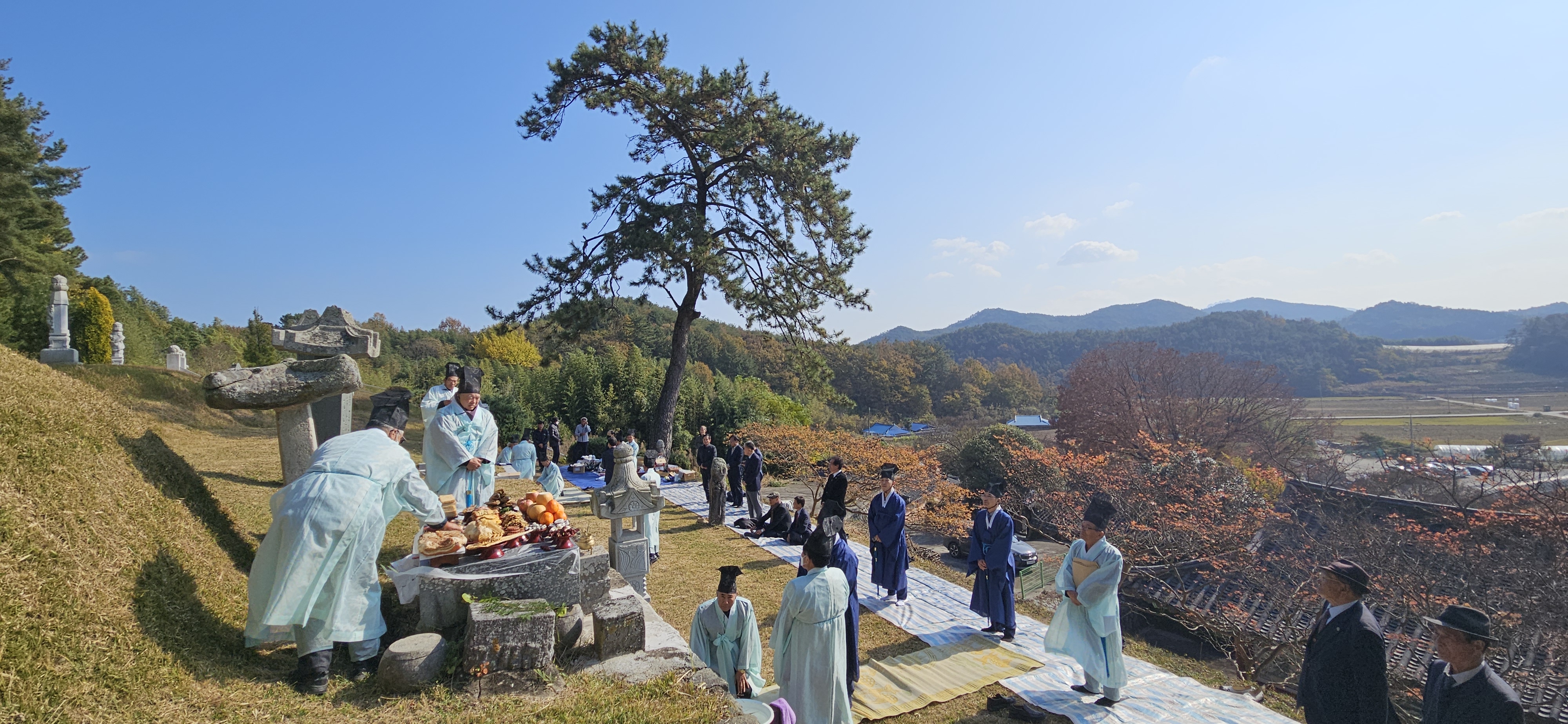
www.다일라.한국/4 역사와 족보가 만났다 (1만년 역사 계보 : 천제환국조선인류역사계보)
역사와 족보가 만났다 (1만년 역사 계보 : 천제환국조선인류역사계보)
"일 개인의 족보"에서 자신의 始祖(시조) 할아버지로 알고 있었던 조상이 다른 문중의 시조로 바뀌어 있다면 어떻게 될까? 우선 당장 어떻게 그런 일이 일어날 수 있는지 정말 믿기지 않고 황당
www.xn--2j1b40gc5q.xn--3e0b707e


고흥을 빛낸 호국인물들
고흥을 빛낸 호국인물들 성 명 본관 약 사 (略 史) 거주지 강언호(姜彦浩) 진주 문량공(文良公) 희맹(希孟)의 손자로 임진왜란때 예교(曳橋)전투에서 크게 공을 세워 판관(判官)에 제수되고 선무
kimyoungjin1.tistory.com



고흥 한 마을 자치(自治) 시대를 열다
jnnews.co.kr
동영상 서비스가 종료되어 해당 콘텐츠를 재생할 수 없습니다.
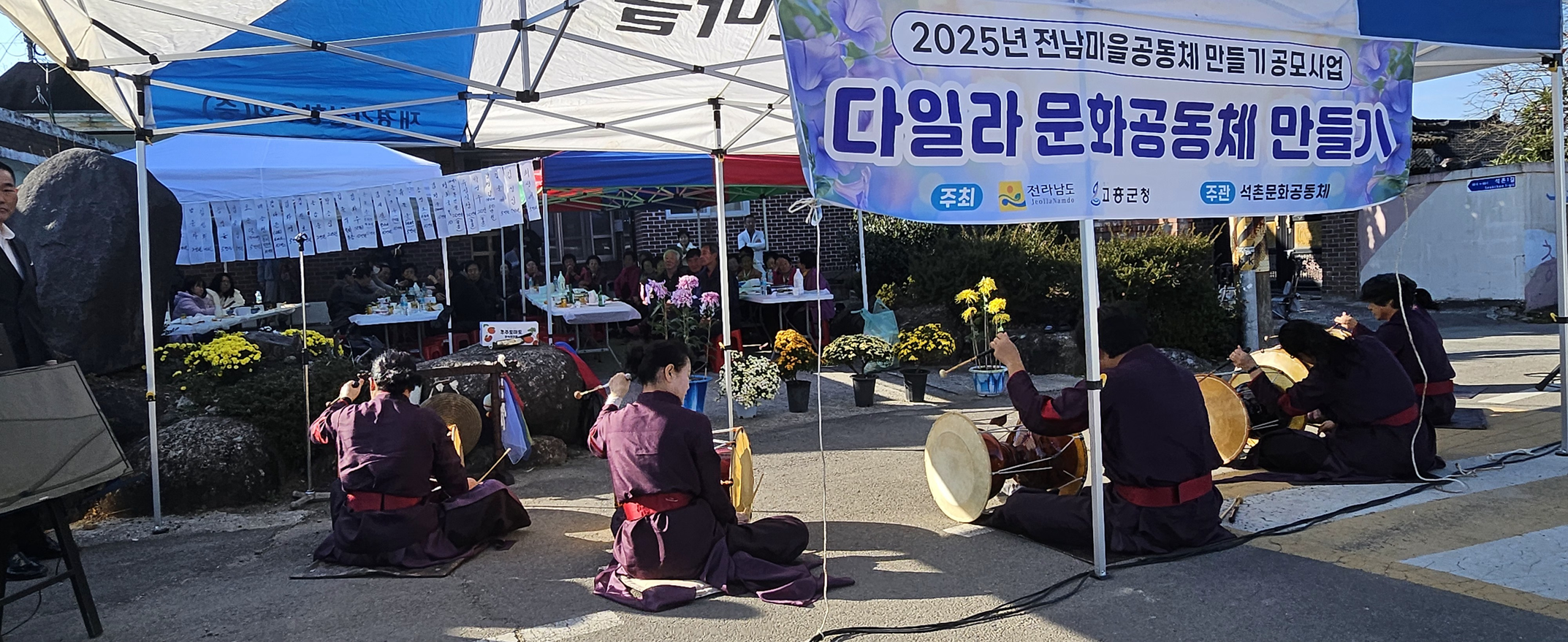
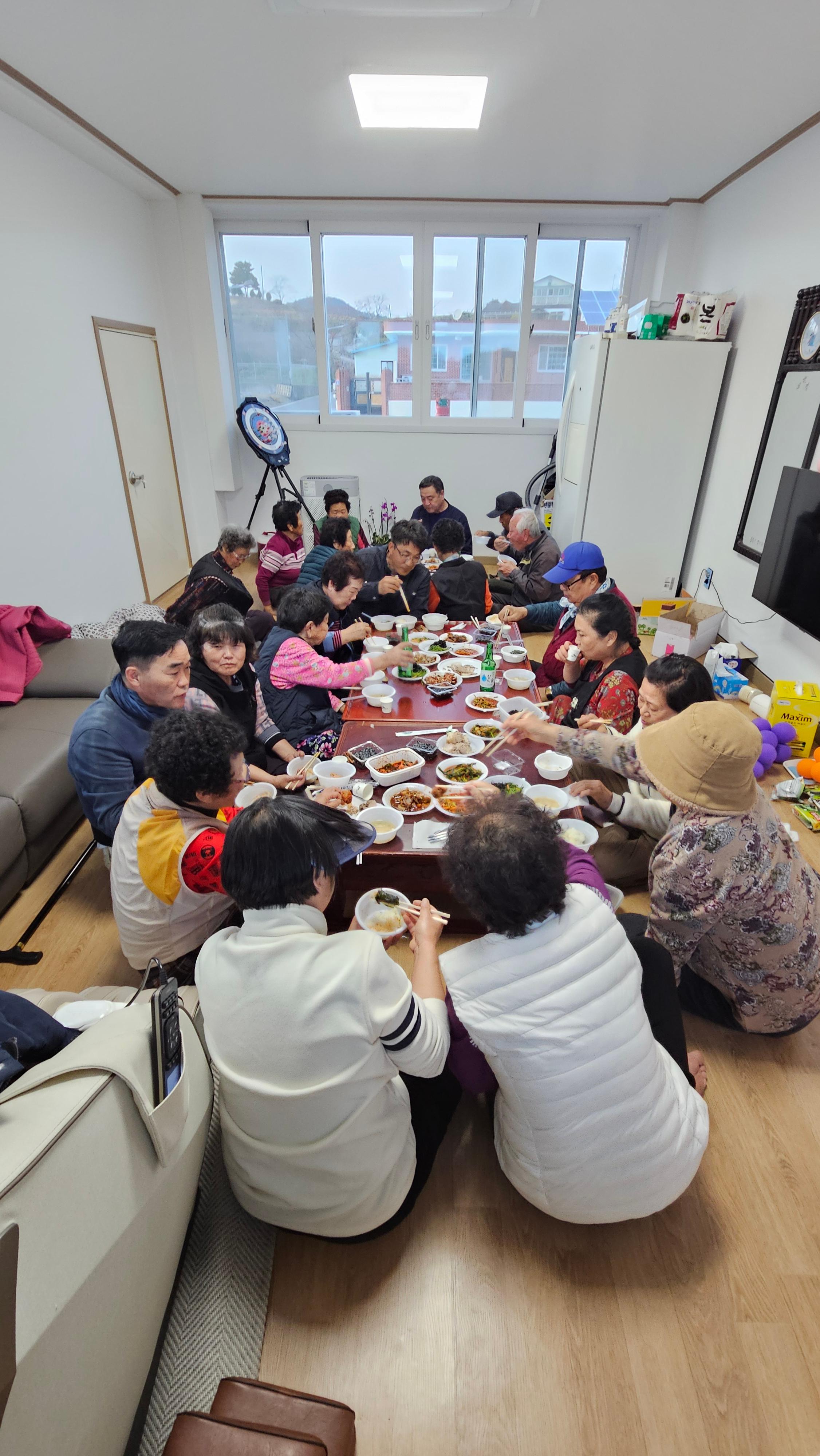
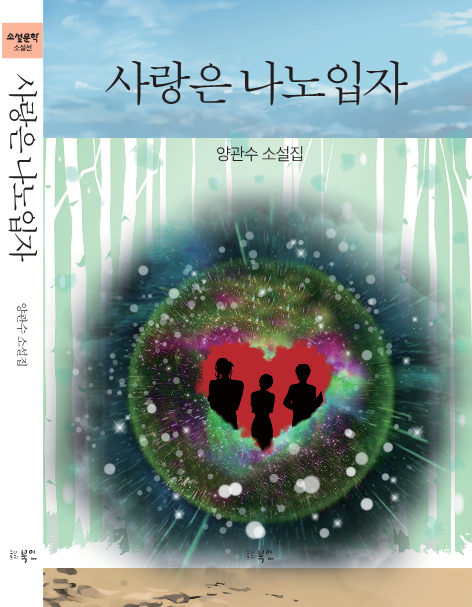
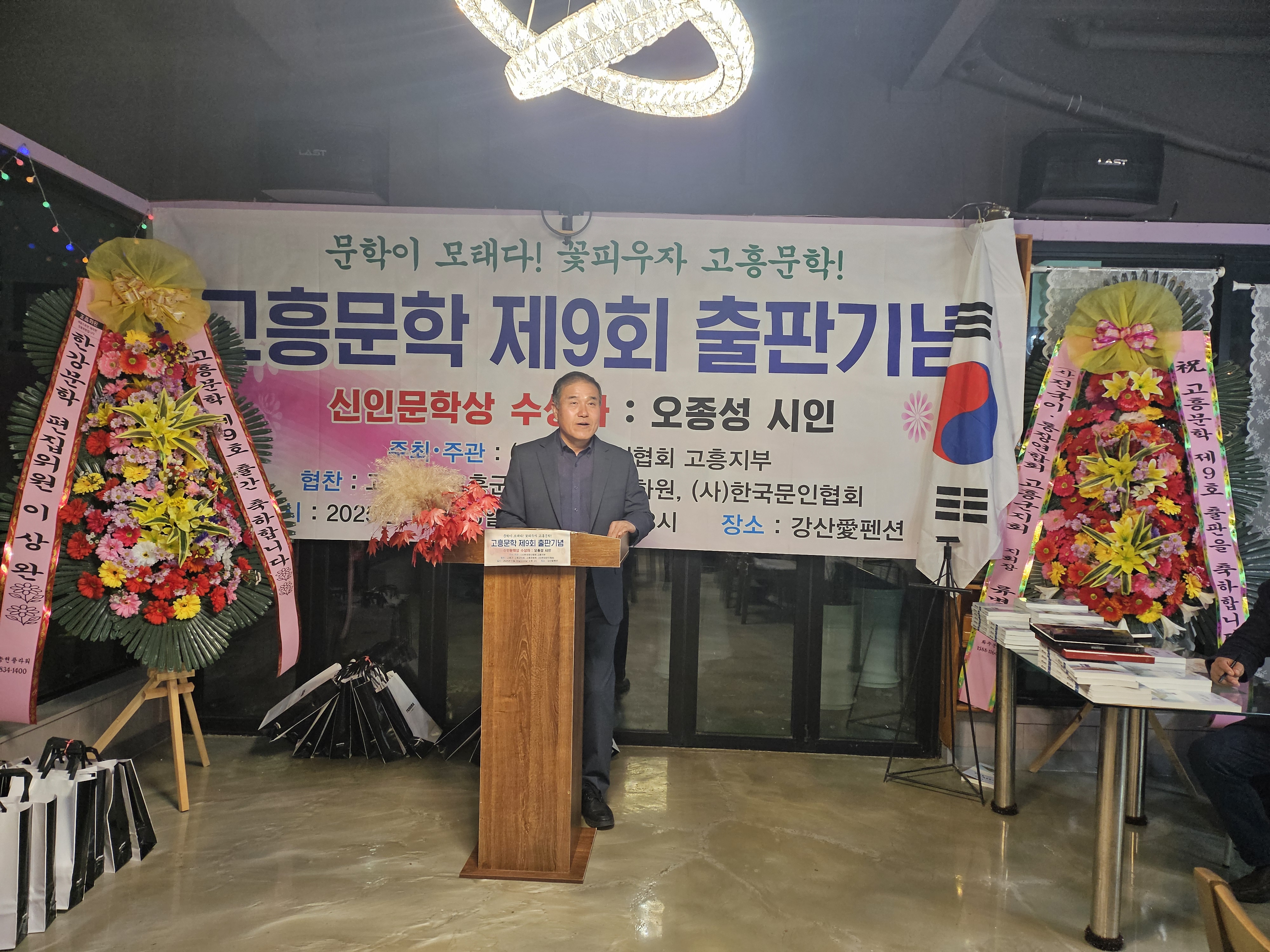
●스스로 "나"를 사랑하고, 우리말과 역사를 사랑하는 모든 사람들에게 전달해 주십시오.
위 내용은 인터넷 주소창과 카톡에 아래와 같이 바로 입력하여 볼 수 있습니다.
www.다일라.한국/47
www.다일라.한국/2 ☆ 다 깨어 일어나라!!! 다일라!!! ☆ --대한민국 새로운 구호 제창
☆ 다 깨어 일어나라!!! 다일라!!! ☆ --대한민국 새로운 구호 제창
대한민국 새로운 구호 제창 다일라!!! 다 깨어 일어나라! 화이팅은 “투지(鬪志)”“전의(戰意)”를 뜻하는 영미권의 “파이팅 스피리트” (Fighting Spirit)를 사용하면서 생겨났다는 설(說)과 일본
www.xn--2j1b40gc5q.xn--3e0b707e
“Words, Stones, and People – The Harvest of the Seokchon Cultural Community in Goheung”
[Jeonnam Internet Newspaper]
Seokchon Cultural Community Reveals 3,500 Years of Linguistic History and 600 Years of a Family Lineage
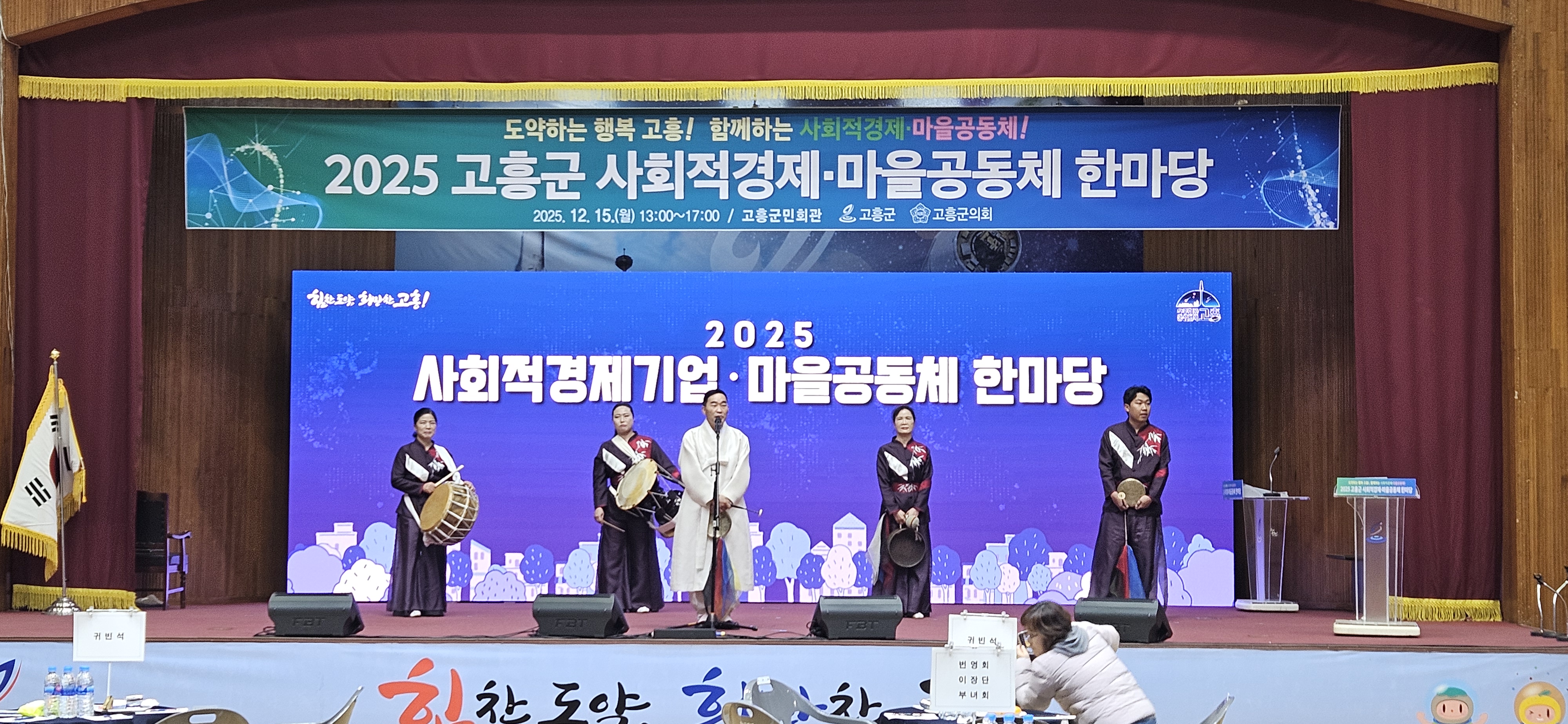
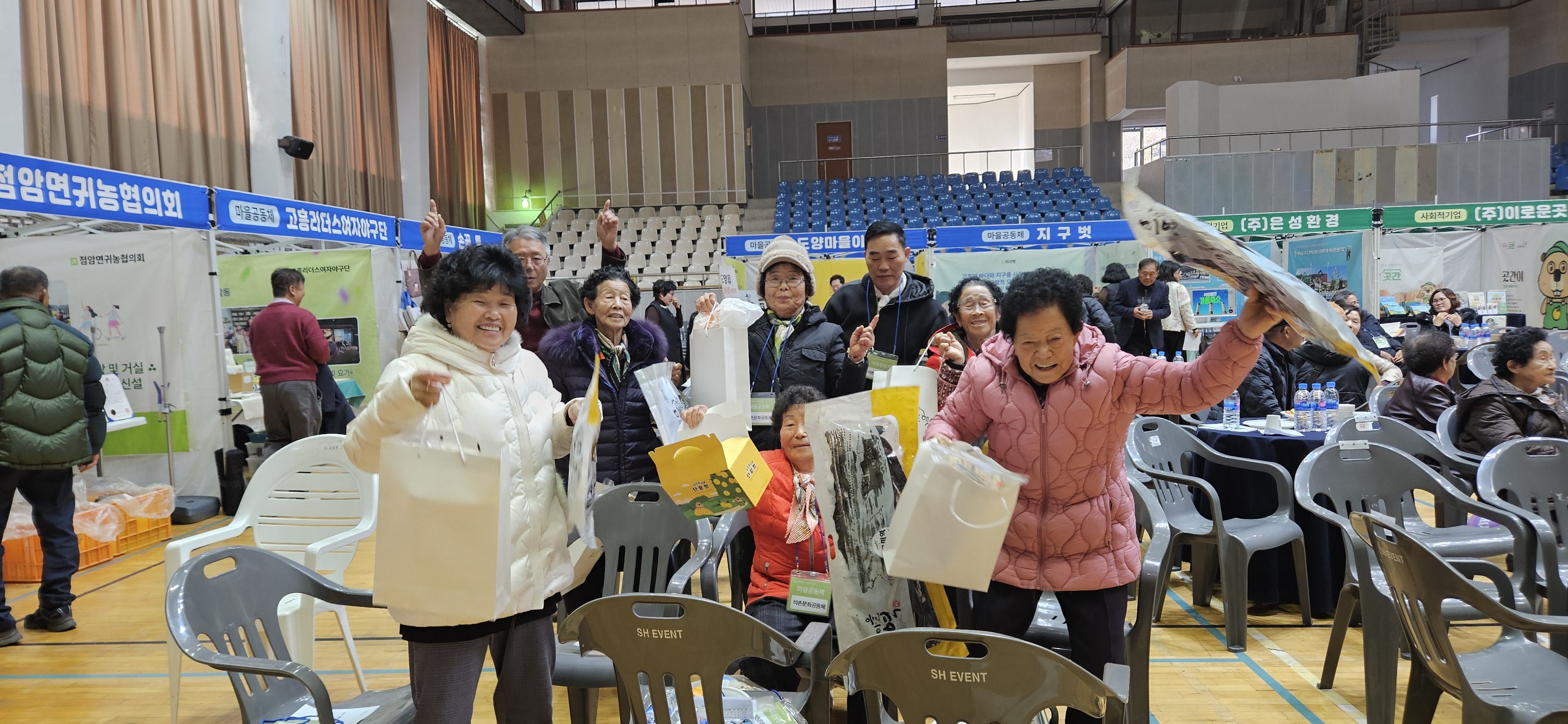
On Monday, December 15, 2025, the Goheung-gun Social Economy and Village Community Hanmadang was held at the Goheung County Citizens’ Hall.
Out of Goheung County’s 515 villages, 29 villages are related to village community projects. Among them, the Seokchon Cultural Community of Seokchon Village in Gwaryeok-myeon drew particular attention. Despite participating in the project for the first time this year, it was recognized as the village that posed the deepest and most profound questions.
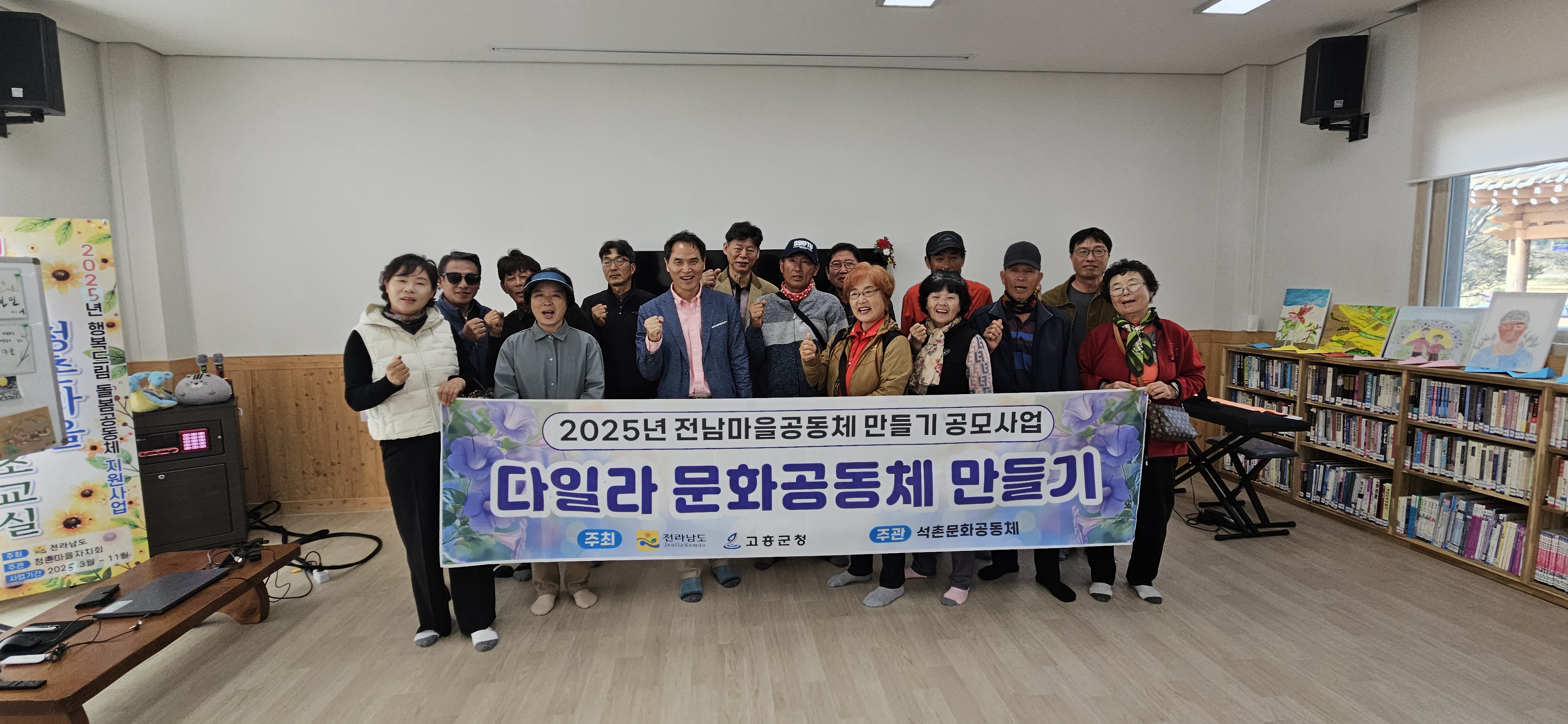
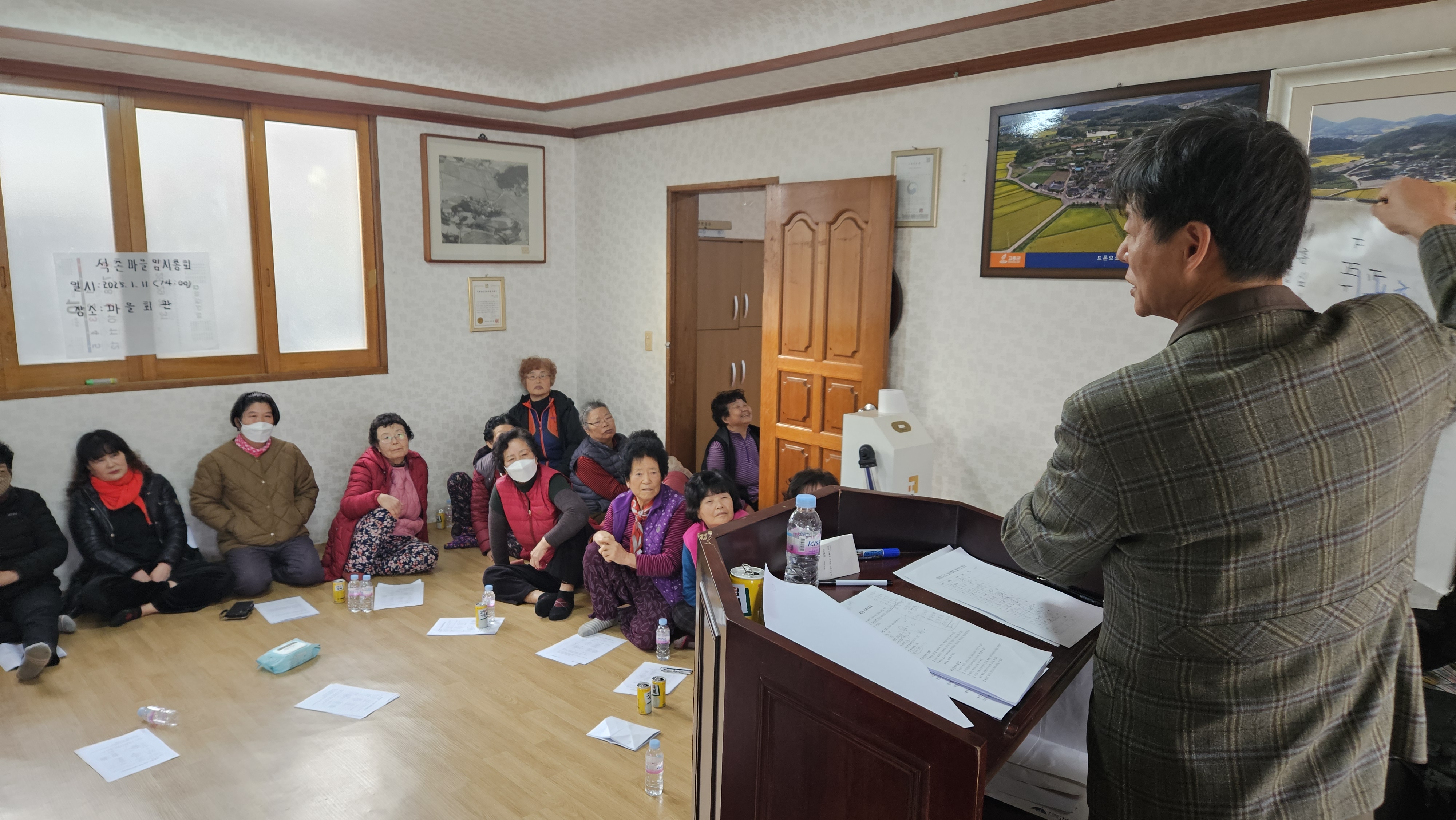
The Seokchon Cultural Community has carried out a year-long project titled “Creating the Da·illa Cultural Community” under the banner of “awakening the spirit of community through our native language.”
Within this name lies not merely a slogan, but a deep intention to carry forward the beauty of the Korean language and the spirit of human dignity embedded within it.
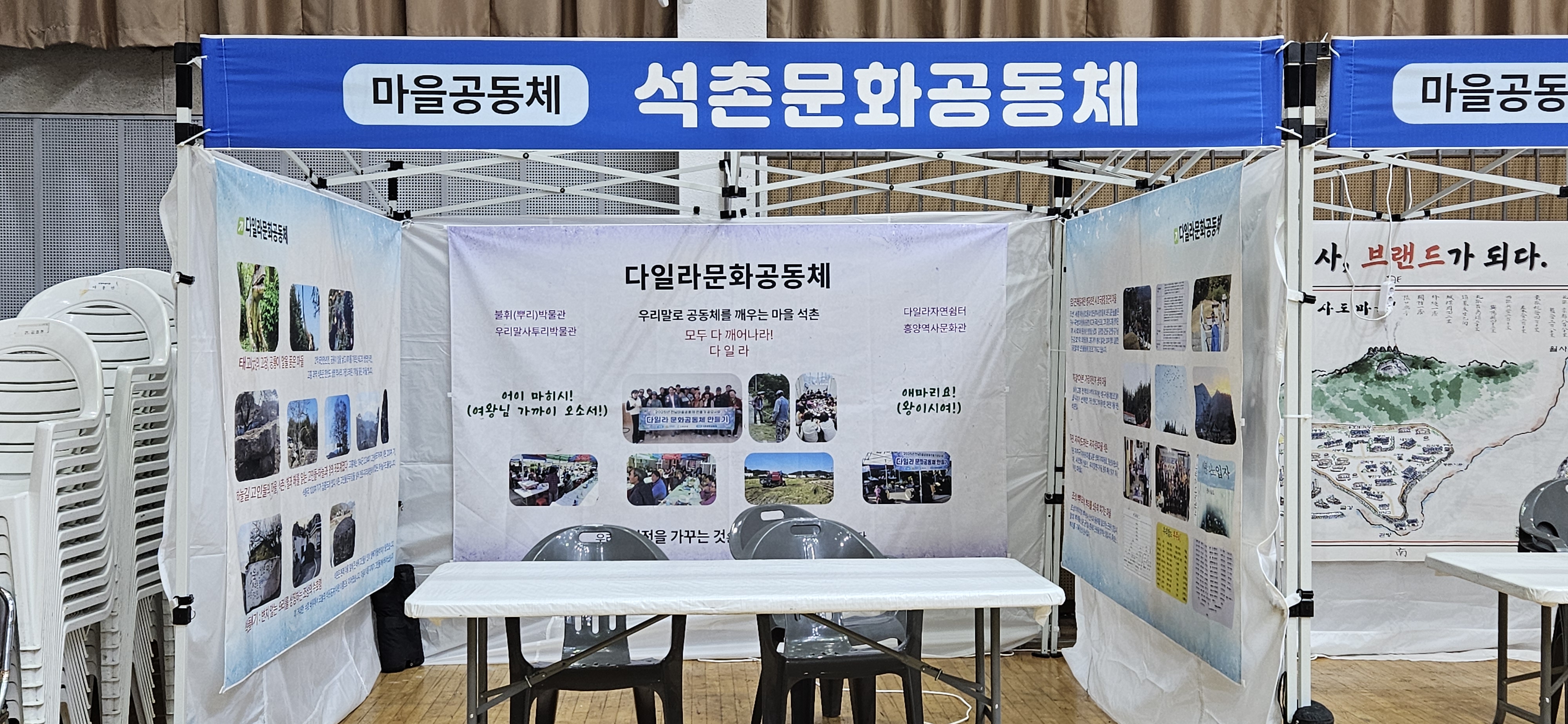
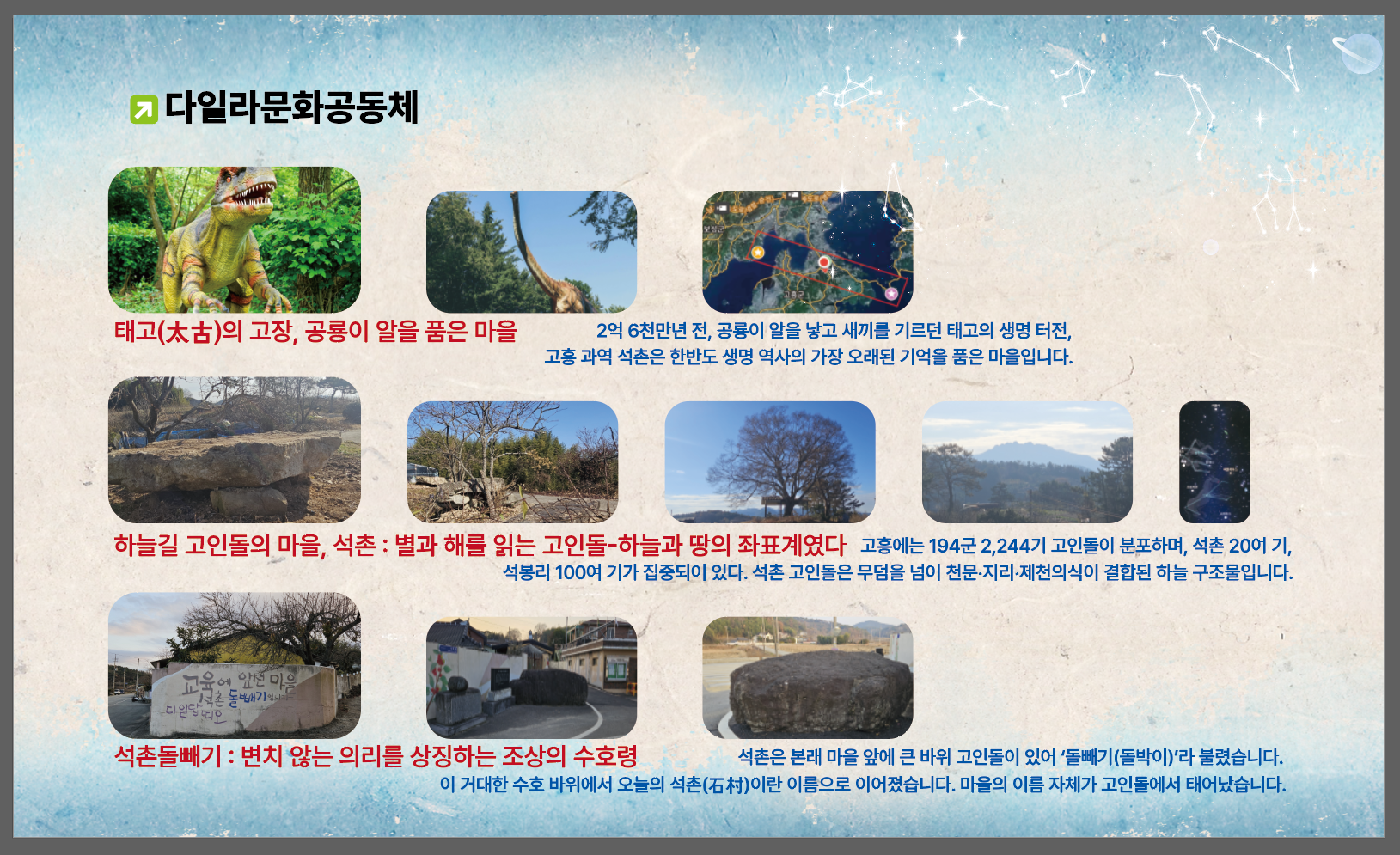
From Primeval Dinosaurs to the Owners of Dolmens, Seokchon’s Time Has Never Been Broken
The Seokchon exhibition booth at this event begins in the age when primeval dinosaurs laid eggs, raised their young, and roamed freely across this land.
It then naturally flows into prehistoric Seokchon, where the owners of dolmens once lived, and further into Joseon-era Seokchon, which produced generals who defended the nation through the Imjin War, the Jeongyu War, and the Byeongja War.
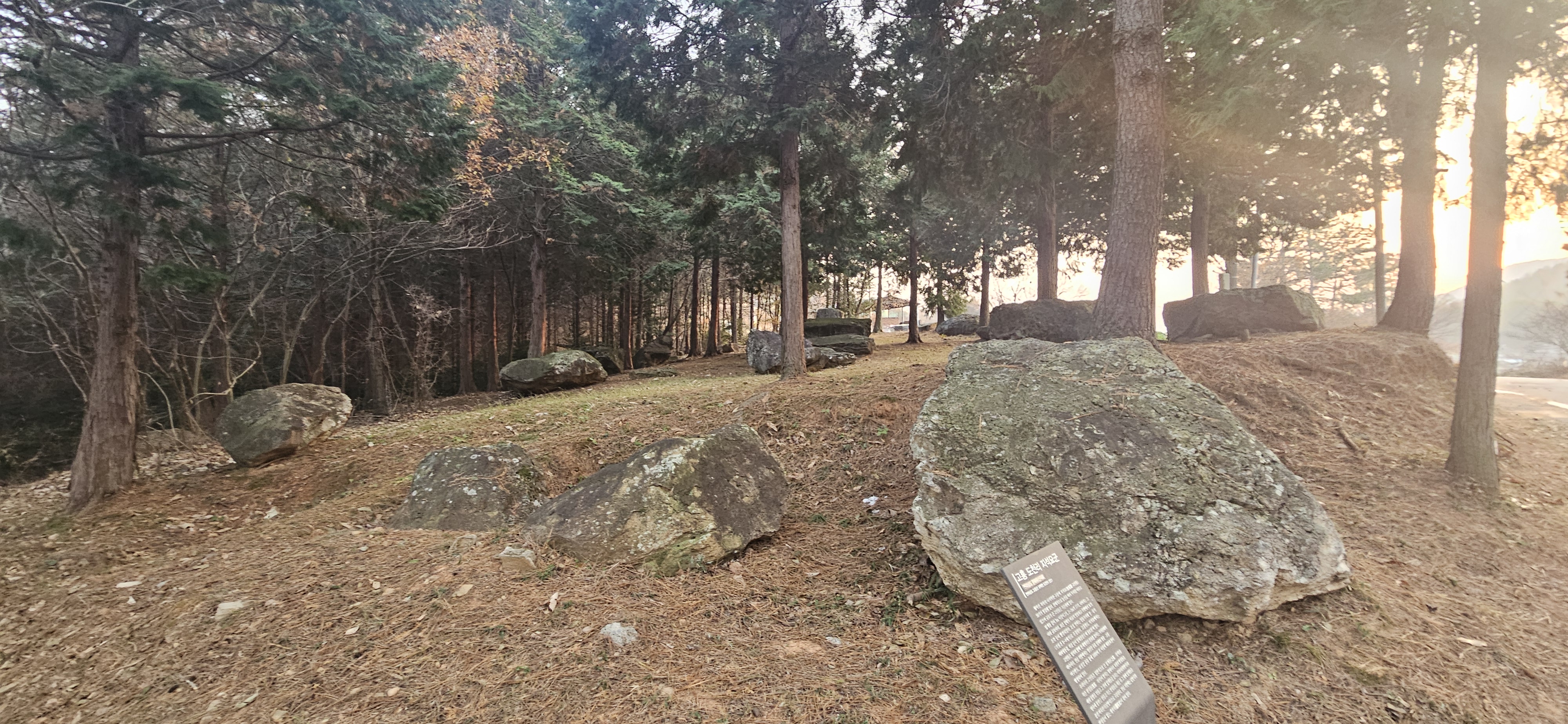
The former name of Seokchon Village was “Dolbaegi.”
Quite literally, it meant a place where a large stone was embedded in front of the village—hence, a “stone-embedded village.”
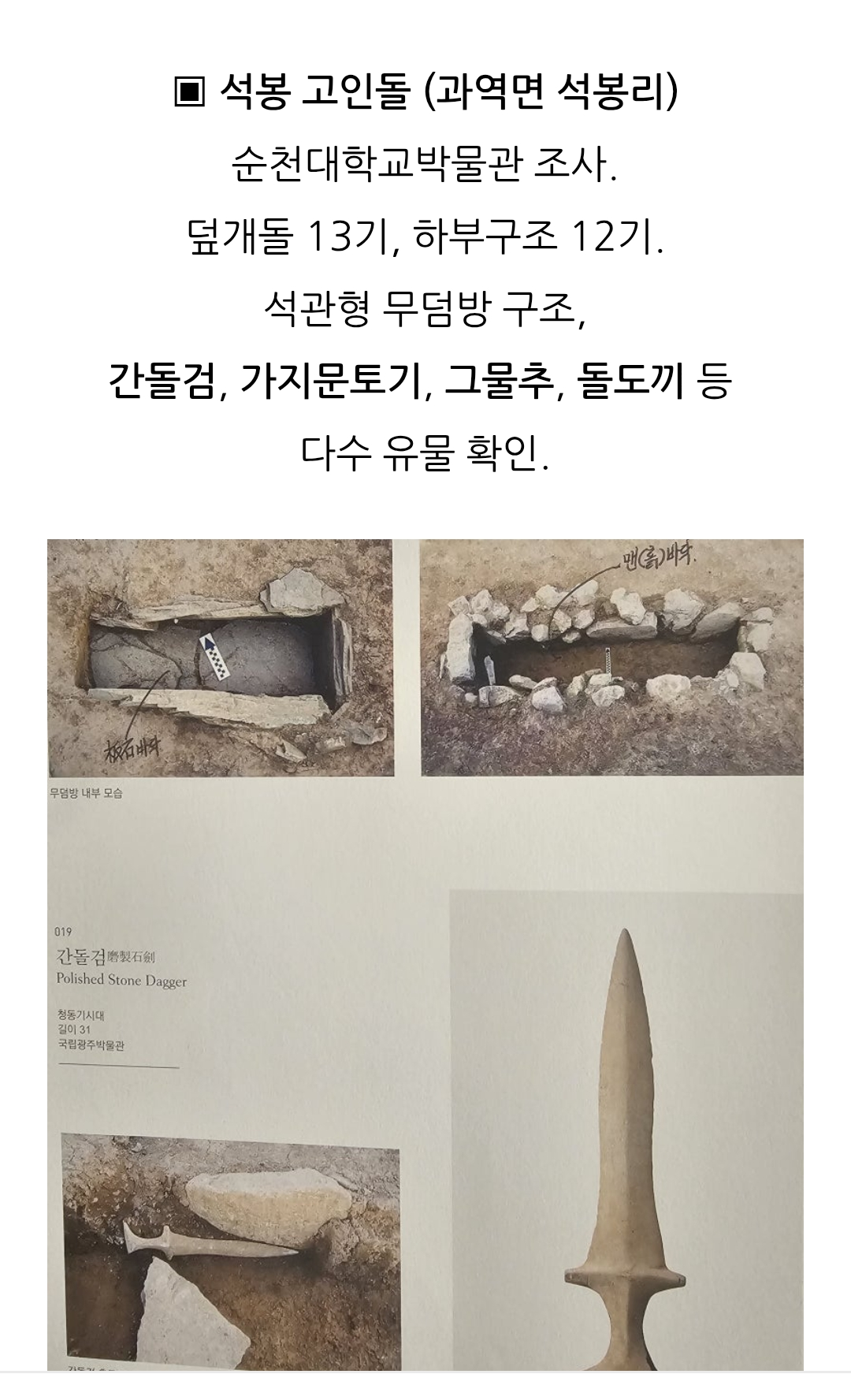
That stone was, in fact, a dolmen.
Although the administrative name was changed to Seokchon (石村) during the Japanese colonial period, only the name changed—the essence of the village did not.
Seokchon was, in the truest sense, a village whose very name came from dolmens—a genuine dolmen village. Approximately 20 dolmens are currently confirmed to remain.
In the past, more than 30 dolmens were distributed throughout the village.
The very name Dolbaegi testifies to how ancient this community truly is.
Passing the State Examination in 1426 During King Sejong’s Reign, the 600-Year Roots of Kim Jun’s Lineage Revealed
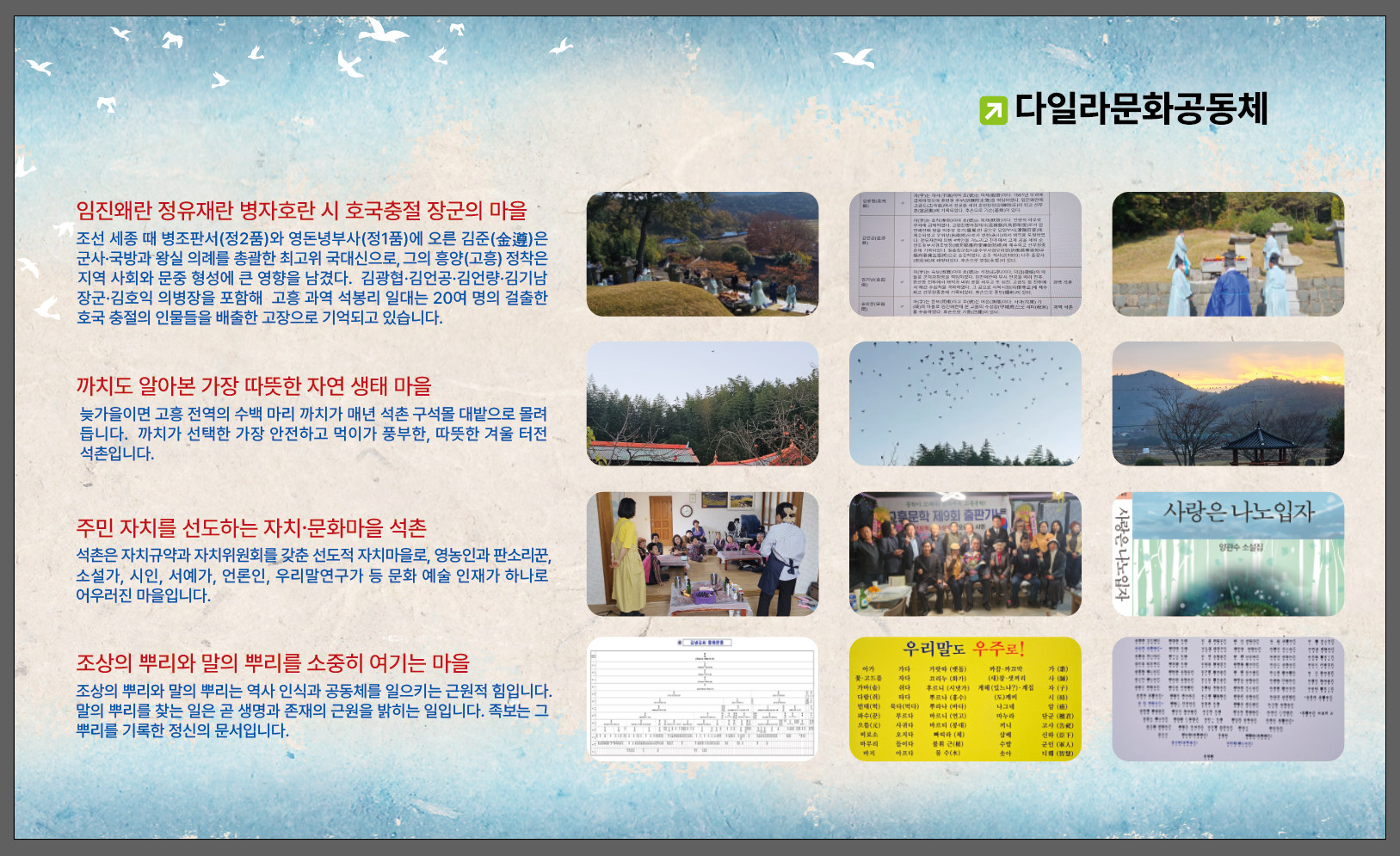
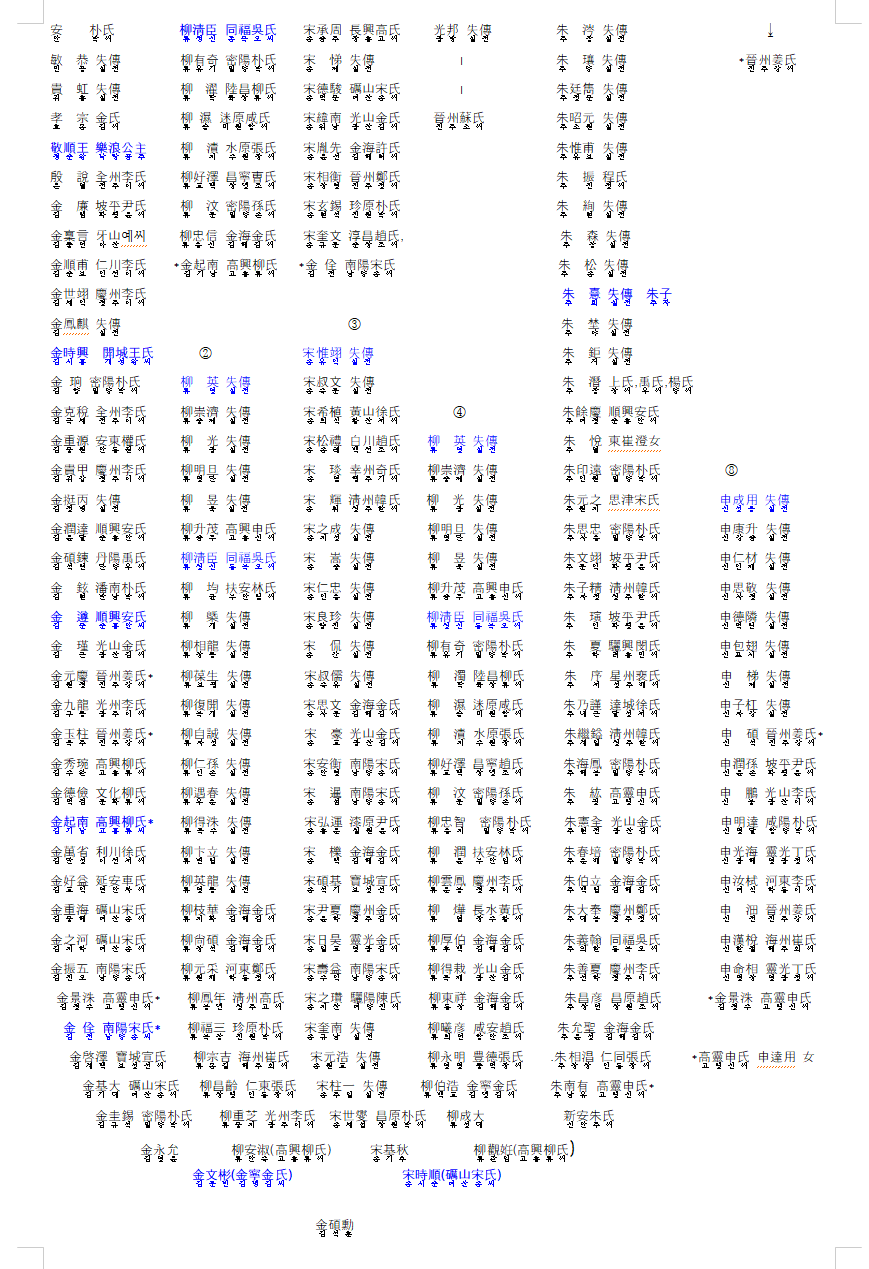
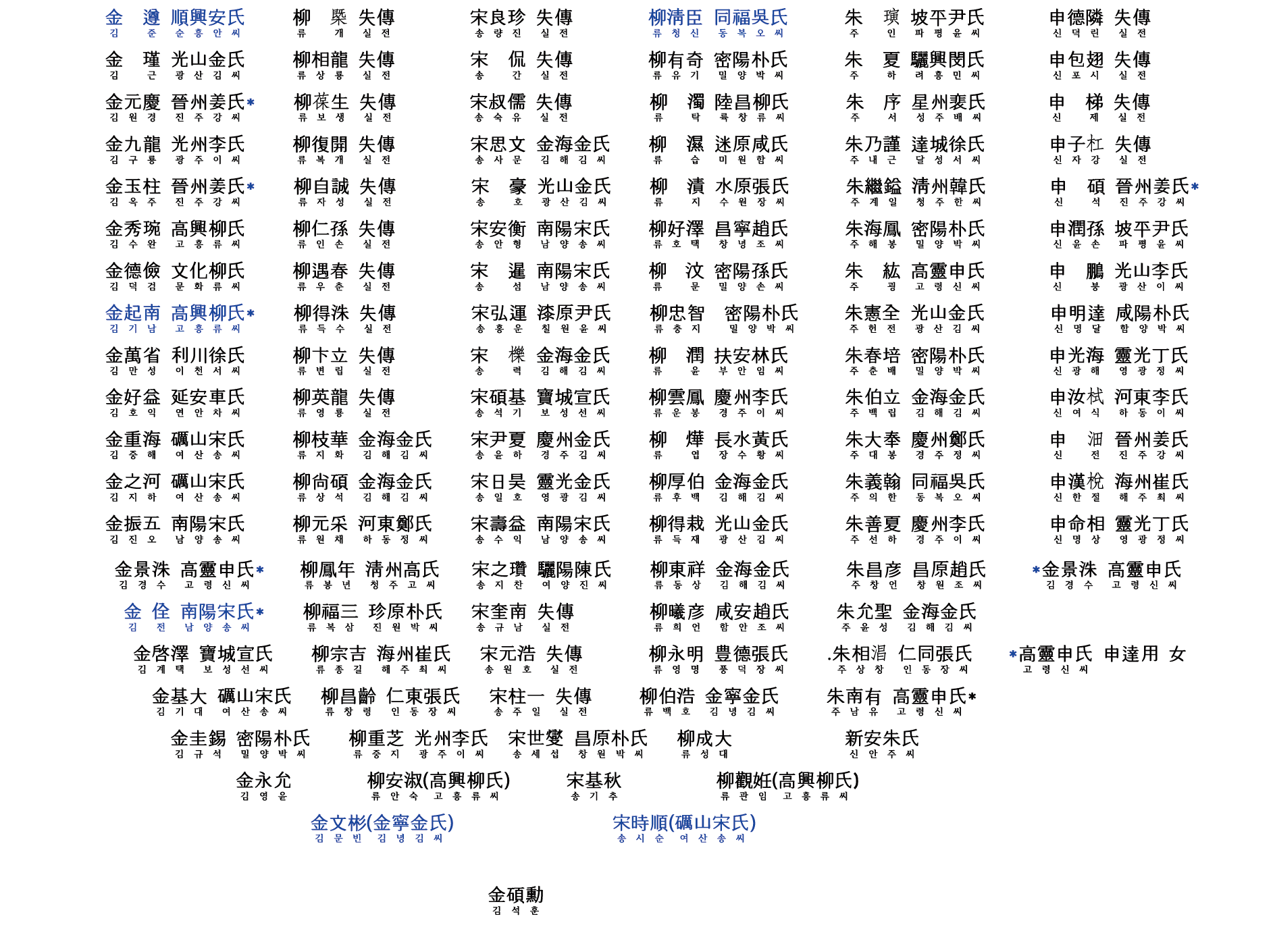
One of the most notable aspects of this exhibition was the history of Kim Jun (金遵), who passed the state examination in 1426 during the reign of King Sejong of Joseon.
Kim Jun served as Minister of War (Second Senior Rank) and Chief State Councilor, Yeongdon-nyeongbusa (First Senior Rank)—the highest-ranking positions of Joseon’s state officials.
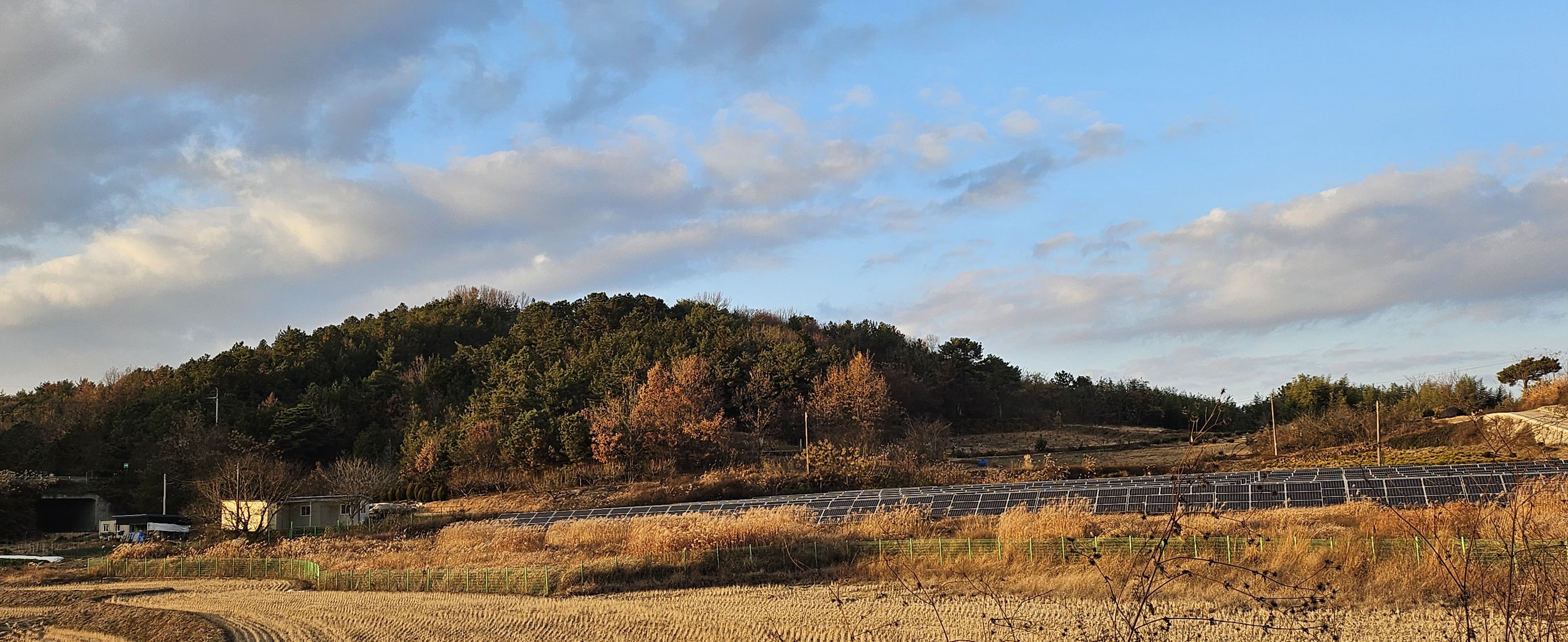
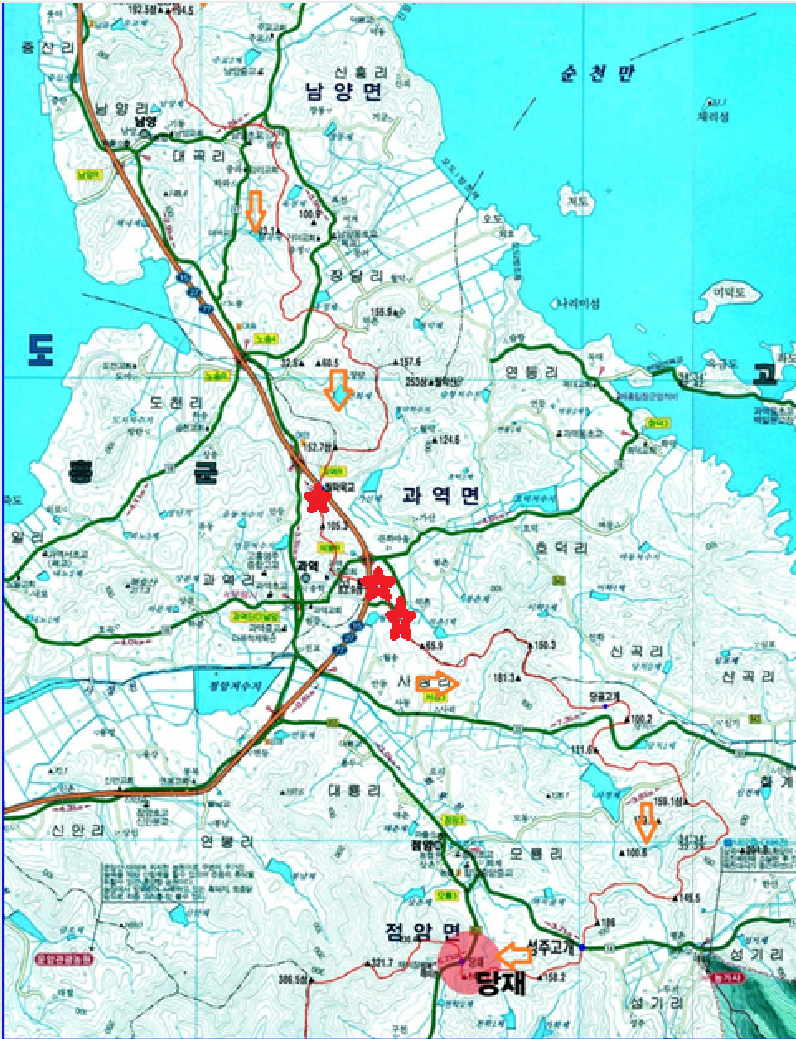
Through this investigation and exhibition, it has been revealed in greater detail that the 600-year lineage descending from Kim Jun was formed primarily around the Seokchon and Gasan areas.
Together with records from the Kimnyeong Kim Clan Genealogical Compendium, the tombs actually distributed throughout Seokchon demonstrate that this was not merely history preserved in documents, but a living, breathing history rooted in Seokchon itself.
Seokchon is a village where prehistoric dolmens and the lineage of Joseon’s highest-ranking state officials overlap within the same space—a place where layers of time have accumulated.
A Lineage of Loyal Patriotism Beyond Nobility
Furthermore, the lineage descending from Kim Jun was not merely a prestigious family that produced high-ranking officials.
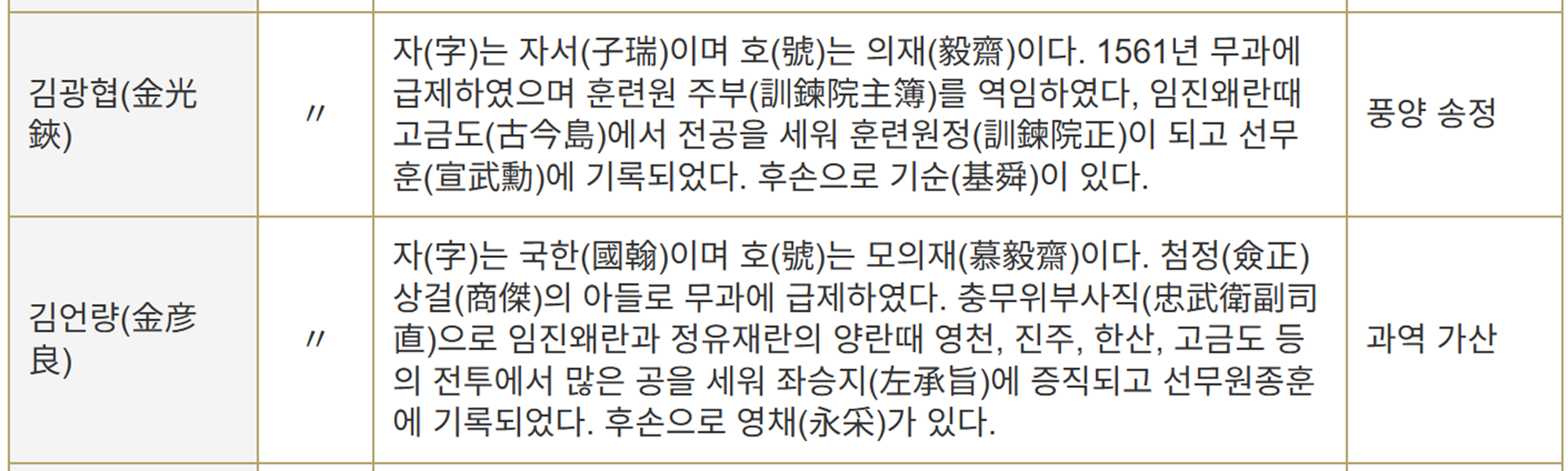
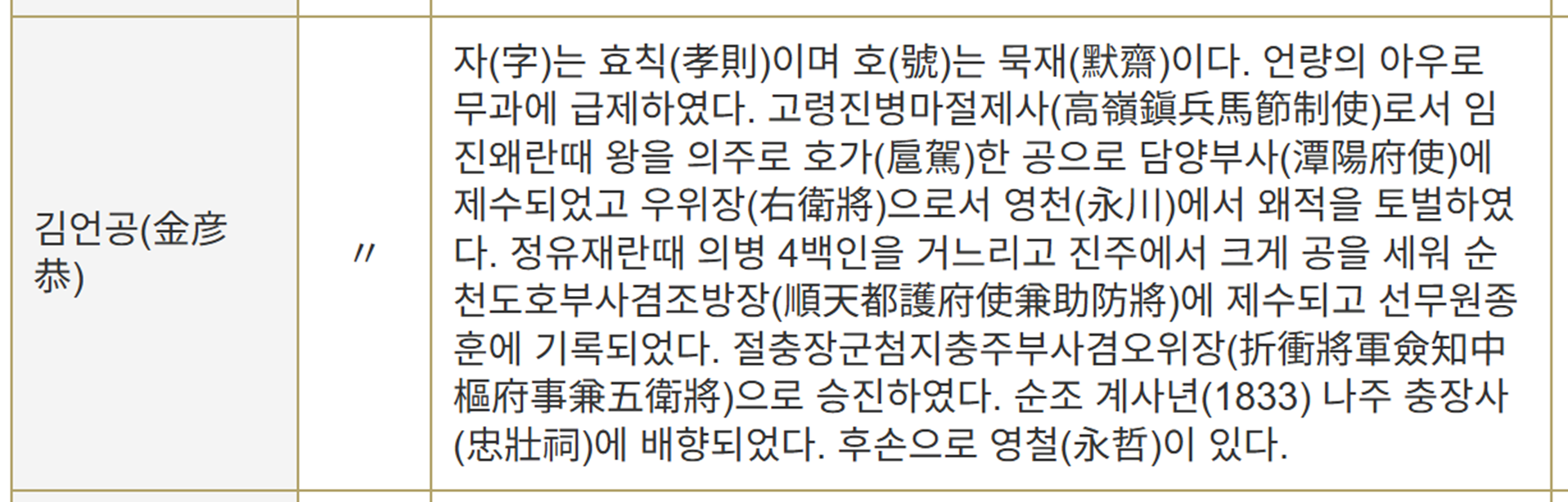
At every national crisis that threatened the survival of the country—the Imjin War, the Jeongyu War, and the Byeongja War—this family stepped forward to fight. Records confirm that they produced more than 20 generals and righteous militia leaders, making them a lineage defined by loyal patriotism.
Generals Kim Guryong, Kim Gwanghyeop, Kim Eongong, Kim Eollyang, Kim Deokbong, Kim Deokbang, and Kim Ginam, along with countless unnamed righteous soldiers, all chose the nation over their own family.
Before the spirit of sacrificing their lives and fortunes beyond personal glory, today’s unworthy descendants are compelled to reflect upon themselves.
What they protected was not merely land, but the standard of living as human beings, and that spirit still lives today in Seokchon’s stones, language, and history.
The task that remains is clear.
Not to stop at remembering their sacrifice, but to make that spirit live and move again in our lives today—that is true commemoration.
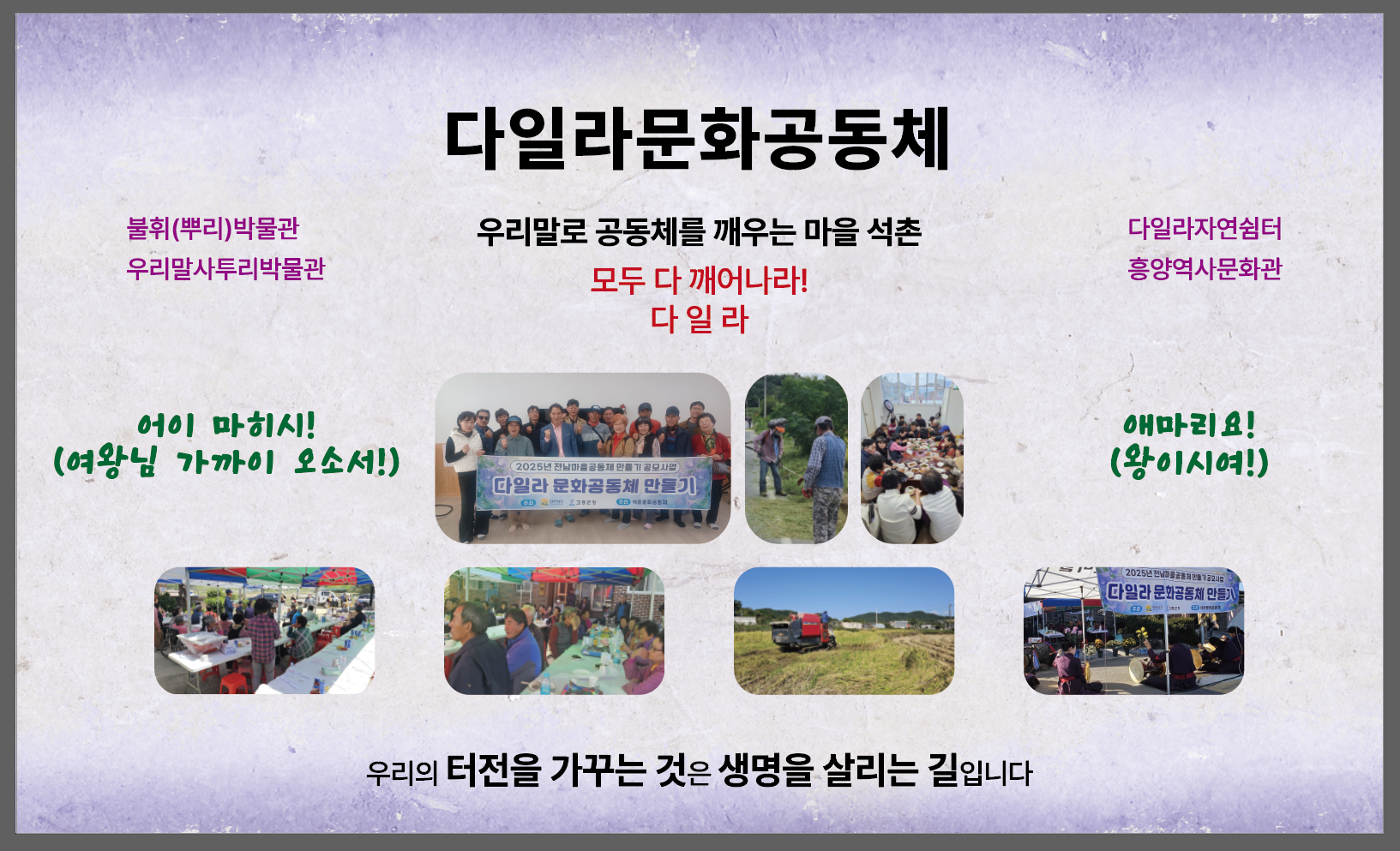
“Daillattiyo” — The True Nature of Words Spoken by Farmers Who Never Attended Elementary School
Another central axis of this exhibition was language.
What the Seokchon Cultural Community emphasized was not only visible artifacts, but the history of words passed from mouth to mouth.
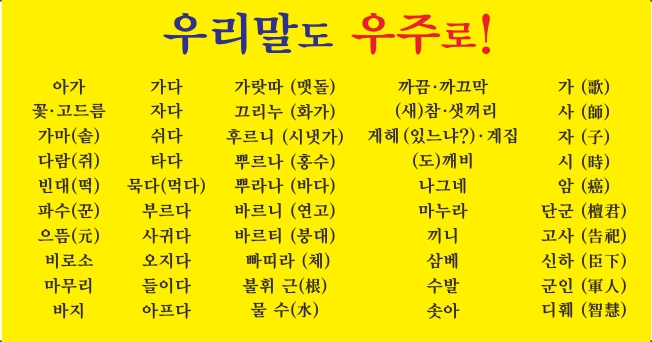
According to Korean language researcher Kim SeokHoon words such as “Da·illa,” “Da·illattiyo,” “Eoi Mahisi,” and “Aemariyo” have been used for at least 3,500 years.
These were words naturally spoken, without conscious thought, by Seokchon’s grandfathers and grandmothers, fathers and mothers.
What, then, had happened to our parents—people who never even attended elementary school?
Kim SeokHoon explains:
“This noble and beautiful linguistic culture shows how deeply the ancestors of the Dongyi people respected and cherished one another.”
In a household where a husband would call his wife,
“Your Majesty, please come closer (Eoi Mahisi),”
and the wife would reply,
“My King (Aemariyo),”
Was there ever, on this land where dinosaurs once roamed since the dawn of the Earth, such a beautiful human culture?
It undeniably carried the roots of civilization.
Within the words spoken by rural villagers who never attended elementary school, the language of kings and queens was alive.
A Village That Changes Itself — Seokchon Is Already Living the Future
Seokchon Village is not a place that boasts only its past.
It is a representative autonomous village of Korea that voluntarily reformed an outdated development committee system that had existed for over 50 years.
Fifteen years ago, the village enacted its first village autonomy charter, and in 2025, under the revised charter, it newly elected autonomous committee members and a village head.
The launch of the Seokchon Cultural Community is an extension of this self-governing tradition.
In early January 2025, village members joined forces to establish the Seokchon Cultural Community and participated in the village community project hosted by Jeollanam-do Province and Goheung County.
A village that uncovers the past, sets the present upright, and prepares for the future.
“We Are Satisfied That We Have Rediscovered and Rerecognized Our History”
Resident Park Young-Su, who attended the event, said,
“I am very satisfied that our village, Seokchon, has rediscovered and rerecognized its history in this way,” adding,
“Now it has become a village we can proudly talk about to our children and younger generations.”
This initiative by the Seokchon Cultural Community demonstrates that village community projects can go beyond events or income generation, and become efforts that restore the dignity of language, stones, and people.
From Dolbaegi to Seokchon,
from dolmens to the 600-year lineage of Kim Jun (金遵),
and from there to the word “Da·illa.”
Seokchon is now calling its own name again—
a name that has continued from primeval times to the present.